The Haunted Nun Trope: Why Horror Keeps Returning to Her
The haunted nun trope in horror media explained: where the pale, veiled figure comes from, why it unsettles us and how games like HAUNTED use it.
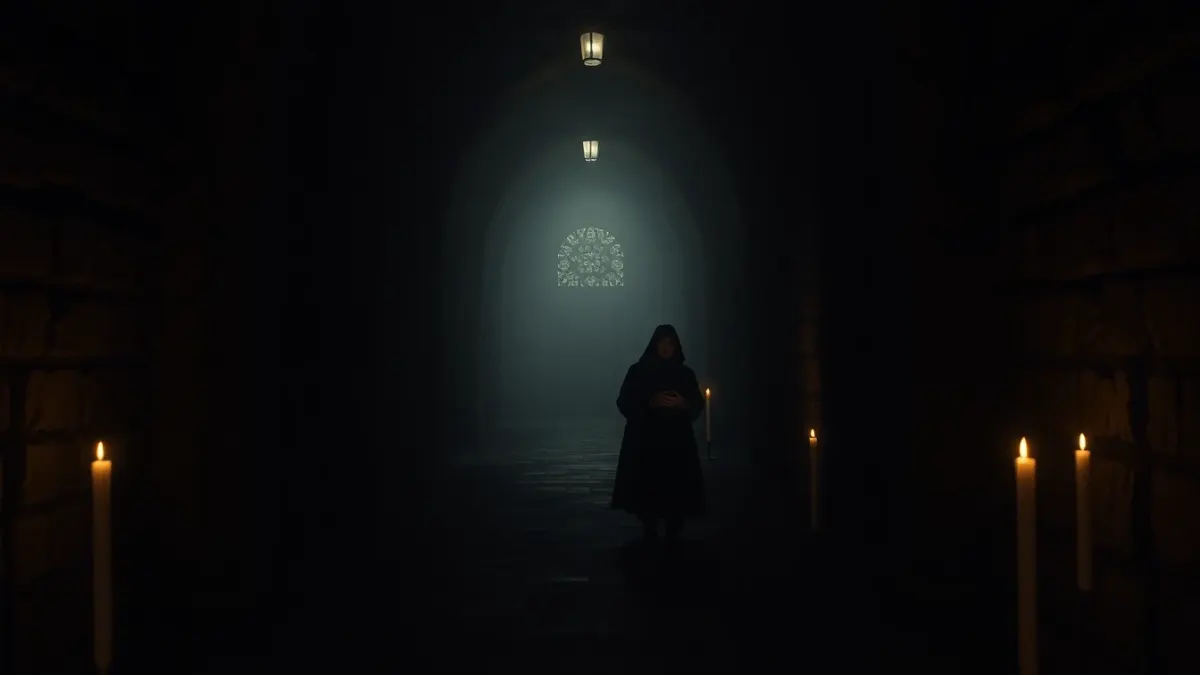
Few horror figures are as instantly recognisable as the nun: dark habit, pale face, stillness that feels wrong. The haunted nun trope has appeared across films, books and games for generations, and it keeps coming back. This is a general look at why, using only broad, well-known ideas rather than a scholarly history.
Gothic roots
The convent as a spooky setting is much older than cinema. Gothic fiction from the eighteenth and nineteenth centuries loved cloisters, sealed cells, candlelit corridors and secrets behind stone walls. Religious institutions were enclosed, ritualised and mysterious to outsiders, which is exactly the material gothic writers wanted. The nun was a ready-made figure for secrecy and silent watchfulness.
What makes the image work
Several visual and symbolic ingredients stack up:
- Concealment. A veil and habit hide hair, body shape and expression. A face you cannot read is unsettling.
- Stillness. Nuns are associated with quiet and composure. A figure that does not move, or moves only when you look away, is uncanny.
- Contrast. Black cloth against a pale face is high-contrast, readable even in poor light, ideal for a monster you glimpse at the edge of vision.
- Inversion. Something associated with calm and protection turns threatening. Horror loves inverting comfort.
Why it survives
Archetypes persist when they are simple to draw and easy to place anywhere. A silhouette at the end of a hallway needs no backstory. That is also why the trope is flexible: a haunted nun can be a ghost, a demon, a victim or a curse, depending on the story.
Nuns in games
Games add something films cannot: the player's agency. A nun in a film stands at the end of the corridor. In a game, you can choose to approach, flee or look away, and the design can punish that choice. Designers use patience as a weapon. A figure that waits can be scarier than one that chases.
The Cursed Nun in HAUNTED
In HAUNTED: Are You Alone?, the Cursed Nun is a pale figure with long, blood-soaked black hair, and the game's pitch is simply: "She has been waiting in your hallway the whole time." The trope is placed where the format is strongest: not in a fictional convent, but in a hallway you recognise. The figure is old; the location is new.
Details of her encounter are best discovered by playing, and spoilers help nobody.
How to talk about it without being unfair
Horror using religious imagery can feel uncomfortable to some people. A respectful reading is that the fiction borrows the visual language of a closed, silent order as atmosphere, not as a statement about real people. All characters and events in HAUNTED are fictional.
Comparing it with other classic figures
- The ghost child: innocence turned eerie.
- The creepy doll: objects pretending to be alive.
- The witch: old folklore, often associated with sudden appearances.
- The nun: silence and watching.
HAUNTED includes several of these archetypes in one game, from a cursed doll to a teleporting witch.
Content note
If your fear threshold is low, check the warnings first: sudden loud sounds, flashing and darkened light, gore and intense jump scares. It is not suitable for children, people who are pregnant, or anyone with epilepsy, heart conditions or anxiety disorders. The official store listing has more.
Why waiting is scarier than chasing
A figure that stands still and waits borrows from a fear older than any genre: being watched. Chasing monsters create panic, which is exciting but short-lived. A waiting figure creates dread, which lasts, because the player never knows when the waiting ends.
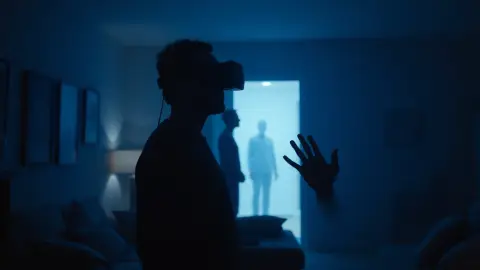
Games can add something new here. If a character stands at the end of a corridor, the player can decide to go the other way, and the game can then decide whether she is there when they come back. This mixes memory, space and uncertainty into one mechanic. In a mixed reality setting, the corridor is a real one, so your own memory of where she stood is anchored to a real place. That is a small detail, but it is the sort of detail that makes players glance at the same spot twice.
FAQ
Why are nuns used so often in horror?
The veil hides expression, the habit creates a stark silhouette and the setting suggests enclosed secrets. Together they make an easy, striking monster design.
Is the haunted nun trope based on real events?
Horror stories mix folklore, fiction and exaggerated rumours. Treat any specific "true story" claims in films and games with caution.
Who is the Cursed Nun in HAUNTED?
She is one of the game's enemies, shown as a pale figure with long, blood-soaked black hair, who is waiting in your hallway. The game keeps her story for you to discover.
Is it okay to find the trope scary but not offensive?
Many people can. The figure in games is fictional and used for atmosphere; if it bothers you, other horror settings exist.