
LingFit articles & guides
Language learning habits, methods and practical guides. 120 articles written for players and curious newcomers alike.

The A1 to B2 Roadmap: What to Learn at Each Level
A clear A1 to B2 language learning roadmap: what each CEFR level means, what to focus on and how to pace yourself from first words to real conversations.

Active Recall vs Passive Review for Language Vocabulary
Active recall vs passive review: why testing yourself beats re-reading when you learn vocabulary, with practical drills you can start today.

Active vs Passive Vocabulary: How to Move Words Across
Active vs passive vocabulary explained: why you understand more than you can say, and exercises to turn recognised words into words you actually use.

Ad-Supported vs Subscription Language Apps Compared
Ad-supported vs subscription language apps: how each model shapes your learning, what to watch for with ads, trials and cancellations, and who each suits.
AI-Generated Language Lessons: How They Can Help You
How AI-generated language lessons work, what they do well, where they need caution, and how to use custom packs to learn the words you actually need.

Dictionary Forms: Learn the Base Form of Every Word
Why learning a word's base form (infinitive, nominative with article, positive adjective) saves memory and makes vocabulary study far more efficient.

Best Language App If You Keep Quitting Apps (And Why)
The best language app if you keep quitting is the one you can restart without guilt. Why people drop apps and how to build a routine that survives.

Best Time of Day to Study a Language: Morning, Night or Neither?
What is the best time of day to study a language? Compare morning, lunch and evening routines, with advice on sleep, focus and habit stacking.

Break the Intermediate Language Plateau: 7 Practical Moves
Stuck at the intermediate plateau in your language? These seven practical moves, from targeted vocabulary to videos and stories, help you move forward.

How to Build a Daily Language Learning Habit That Lasts
Want a daily language learning habit that survives busy weeks? Here is a practical, low-friction plan with triggers, tiny goals and a few LingFit tricks.

Can You Learn a Language in 3 Months? What's Realistic
Can you learn a language in 3 months? A level-headed look at what you can achieve in 90 days, a week-by-week outline and what to expect afterwards.

Can You Learn a Language With an App Alone? An Honest Look
Can you learn a language with an app alone? What apps do well, where they fall short, and how to fill the gaps without a teacher or classroom.

CEFR Levels A1 to C2 Explained in Plain English for Learners
CEFR levels A1 to C2 explained: what each stage means, what you can do at each one, and how to find your own level without taking a formal test.

Language Preparation for a Citizenship or Residency Test
Preparing the language side of a citizenship or residency test: know the level you need, build a study plan and practise reading, listening and speaking.

Cognates and False Friends: Shortcuts and Traps
Cognates and false friends explained: how similar-looking words can speed up your vocabulary or trip you up, with tips for spotting both in any language.

Comprehensible Input: What It Is and How to Use It
Comprehensible input explained: why understanding most of what you hear and read drives language acquisition, and how to find the right material.

Consistency vs Intensity in Language Learning
Daily short sessions or big weekend marathons? Here is how consistency and intensity compare for learning a language, and how to combine them.

Work Vocabulary in Another Language: Build a Custom Pack
Need work vocabulary in a new language? Build a custom vocabulary pack for your job in a few steps and practise the words you will really use.

Does Background Listening Help Language Learning? What to Expect
Does background listening help language learning? An honest take on passive listening, when it helps, when it doesn't and how to make it count.

Does Gamification Work for Language Learning?
Does gamification work for language learning? What points, streaks and competitive games can and cannot do for motivation and memory, honestly explained.

Learn Grammar Explicitly or Absorb It? A Fair Look
Explicit vs implicit grammar learning explained: when studying rules helps, when exposure is enough, and how to combine both for accurate language.

Extensive Reading for Language Learners: Read More, Stress Less
Extensive reading for language learners explained: why reading lots of easy text builds vocabulary and fluency, and how to start with short stories.

Extensive vs Intensive Reading in a Foreign Language
Extensive vs intensive reading explained for language learners: what each means, how they differ, and how to combine them for vocabulary and fluency.

The Forgetting Curve and Language Learning: What to Do
The forgetting curve explained for language learners: why new words vanish fast, what slows the loss, and a practical review routine you can follow.

Graded Readers: Why Easy Stories Build Real Fluency Fast
What graded readers are, why easy-language stories help you learn faster than hard texts, and how to choose and use them at every single level.

Learn Grammar If You Hate Grammar: A Painless Approach
How to learn grammar if you hate grammar: small doses, patterns over tables and examples first. Includes how LingFit's grammar classes can help.

How a Structured Language Course Is Built: A to B Levels
How a structured language course is built: chapters, levels and lessons, how vocabulary and grammar are sequenced, and what to look for in a good path.

How Long Does It Take to Learn a Language? A Realistic Answer
How long does it take to learn a language? Honest timelines by goal, from first conversations to comfortable reading, and what actually speeds you up.

How Long Does It Take to Reach B2 in a Language?
How long does it take to reach B2? The honest answer depends on your language, time and method. Understand the factors and plan a realistic timeline.

How Many Minutes a Day to Learn a Language? Start Here
How many minutes a day to learn a language? A practical guide to 10, 20 and 45-minute routines and how to pick the one you will actually keep.

How Many Words Do You Need to Know to Speak a Language?
How many words do you need to know to speak a language? Realistic vocabulary ranges for travel, conversation and reading, and which words to learn first.

How to Choose a Language Learning App: 9 Criteria
How to choose a language learning app that fits you: nine practical criteria, from level coverage to content variety, plus a simple one-week test.

How to Choose Which Language to Learn: A Simple Decision Guide
Not sure how to choose which language to learn? Use five practical questions about motivation, difficulty, exposure and community to pick one.

How to Measure Language Learning Progress Without a Test
How to measure language learning progress honestly: can-do statements, input checks, output samples and monthly benchmarks you can run on your own.

How to Stay Motivated Learning a Language (When It Gets Hard)
How to stay motivated learning a language after the first excitement fades: practical tricks for week six, the plateau and the days you don't feel like it.

Is a Language App Subscription Worth It? How to Decide
Is a language app subscription worth it? A simple framework to judge value, spot red flags and use a trial period properly before you commit to paying.

Is It Too Late to Learn a Language? What Adults Get Right
Is it too late to learn a language as an adult? What research and experience say about age, where adults have an edge, and how to start at any age.

Prepare for a Job Interview in Another Language
How to prepare for a job interview in another language: build your story, rehearse answers aloud, handle surprise questions and learn role vocabulary.

Language Acquisition vs Language Learning Explained
Language acquisition vs language learning: what the distinction means, why adults need both, and how to mix natural exposure with deliberate study.

A Language App for Exam Preparation: What It Can and Can't Do
Looking for a language app for exam preparation? See where LingFit helps with vocabulary, grammar and listening, and where you still need past papers.

A Language App for Language Schools and Teachers
How language schools and teachers can use a language app to support students between lessons, with a note on LingFit's 50% school discount code.

Language App vs Classroom Classes: Which Suits You?
Language app vs classroom classes: an honest comparison of cost, flexibility, feedback, structure and speaking practice, plus how to combine both.

Language App vs Private Tutor: A Practical Comparison
Language app vs private tutor compared by cost, personalisation, speaking time and progress, with advice on when to pay for a tutor and when not to.

Language Learning for Nurses and Healthcare Workers Abroad
Nurses and healthcare workers moving abroad: build workplace language, patient communication and listening skills step by step before and after you arrive.

Language Learning Accountability Partner: How to Find and Use One
A language learning accountability partner can double your consistency. Learn how to find one, what to agree on and how to keep each other going.

Language Learning for Au Pairs: Settle Into a Host Family
Language learning for au pairs: what to practise before you arrive, how to talk with host parents and children, and how to keep studying beside your duties.

Language Learning for Busy Parents: Small Wins That Add Up
Language learning for busy parents is possible with micro-sessions, kid-proof routines and realistic goals. Practical ways to fit it into family life.

Language Learning for Erasmus Students: A Semester Plan
Heading on Erasmus? A semester plan for language learning: what to do before departure, in the first weeks and during exams, with realistic weekly routines.

Language Learning for Heritage Speakers: Fill the Gaps
Heritage speaker? Language learning for heritage speakers means reading, grammar and vocabulary gaps, not starting over. Ideas for structured catch-up.

Language Learning for Retirees: A Relaxed, Rewarding Start
Language learning for retirees without the pressure: pace, routines and tools that fit a slower day, with notes on how LingFit works for beginners.

Prepare for Studying Abroad: Language Learning for Students
Studying abroad soon? Language learning for students heading overseas: what to learn before departure, a timeline and how LingFit supports it.
Language Learning for Visual Learners: Tools That Fit
Language learning for visual learners works best with images, colour and context. Ideas for building a picture-rich routine, plus what LingFit offers.

Language Learning Mistakes Beginners Make (and Easy Fixes)
Avoid the most common language learning mistakes beginners make, from cramming and skipping review to chasing perfection, with a simple fix for each.

Language Learning Myths Debunked: 9 Beliefs That Slow You Down
Language learning myths debunked: no, you're not too old, apps aren't magic, and immersion alone isn't enough. Nine common beliefs, honestly examined.

Language Learning as an Employee Perk: A Practical Guide
Considering language learning as an employee perk? What to weigh up, how to roll it out to your team and how LingFit vouchers for companies work.

A 12-Month Language Learning Plan: Quarter by Quarter
Follow this 12-month language learning plan, split into four quarters, from first words to real conversations, with checkpoints and flexible weekly habits.

Language Learning Streaks Without the Burnout
Streaks can keep you coming back or make you anxious. Here is how to use a language learning streak as a motivator without burning out or feeling guilty.

Moving Abroad With Family: A Language Learning Plan
Moving abroad with family means everyone needs the language. A practical plan for parents, teens and small children, with shared routines and school words.

Learn a Language in 10 Minutes a Day: A Busy Pro's Guide
Can you really learn a language in 10 minutes a day? A practical routine for busy professionals, with habits that stick and how LingFit helps.

Learn a Language as a Busy Adult: A Plan for 15-Minute Days
Learn a language as a busy adult with a full job and family. A realistic plan built on 15-minute slots, shared time and low-guilt routines you can keep.

Learn a Language Before a Trip: A 4-Week Crash Plan
Learn a language before a trip with this 4-week plan: survival phrases, topic vocabulary, listening practice and what to prioritise when time is short.

Learn a Language for Your Career: Does It Pay Off?
Should you learn a language for your career? How to judge the value, which skills employers notice and a practical way to study for work in small steps.

Learn a Language From Scratch: A True Beginner's Roadmap
How to learn a language from scratch with no background: first-week steps, daily routines and what to expect, using LingFit's A1 to B2 course.

Learn a Language in Your Lunch Break: A 20-Minute Menu
Learn a language in your lunch break with a flexible 20-minute menu: quick reviews, videos, stories and games that fit between bites and meetings.

Learn a Language on Your Commute: Make the Ride Count
Learn a language on your commute without burning out. Ideas for trains, buses and walks, from quick lessons to videos, with LingFit as a tool.

Learn a Language With Friends: Games That Keep You Going
Learning a language with friends keeps motivation high. Discover how friendly competition, shared goals and quick games turn practice into a habit.

Learn a Language With Videos: The TikTok-Style Way
Learn a language with videos you can tap and translate. How short-clip learning works, how to avoid passive scrolling and what LingFit's video feed offers.

Learn a Language With Your Kids: A Parent's Practical Guide
Want to learn a language with your kids? Ideas for parents on keeping it playful, practising together and using LingFit games and stories at home.

Learn Czech as an English Speaker: Cases, Sounds and a Plan
Learn Czech as an English speaker without fear of cases: how the sounds and endings work, what to study first and how to practise with LingFit.

Learn Danish as an English Speaker: Pronunciation First
Learn Danish as an English speaker: why the sound system is the real challenge, how the grammar stays friendly and a routine you can follow in LingFit.

Learn Dutch When Moving to the Netherlands: A Starter Plan
Learn Dutch when moving to the Netherlands: why it is worth it even when everyone speaks English, plus a weekly plan with LingFit's Dutch course.

Learn English as a German Speaker: Tips That Actually Work
Learn English as a German speaker: where your German helps, where it misleads and a study routine with LingFit's English course for German speakers.

Learn English as a Spanish Speaker: Pitfalls and a Plan
Learn English as a Spanish speaker: false friends, pronunciation traps and a weekly plan, plus how LingFit's English course for Spanish speakers helps.

Learn French as a German Speaker: Make Your Grammar Work
Learn French as a German speaker: use what you know about gender and verbs, fix pronunciation habits and follow a simple routine in LingFit.

Learn French as an English Speaker: A Practical Starter Plan
Learn French as an English speaker without drowning in silent letters: what carries over, what trips you up and how to build a routine in LingFit.

Learn German as an English Speaker: Genders, Cases and Order
Learn German as an English speaker: how to tame genders, cases and verb position without memorising tables, with a weekly routine using LingFit.

Learn German Before Moving Abroad: A 90-Day Expat Plan
Learn German before moving abroad with a realistic 90-day plan for expats: what to study first, how to practise daily and where LingFit fits in.

Learn Hungarian as an English Speaker: Honest Advice
Thinking of learning Hungarian as an English speaker? Honest advice on what is hard, what is regular and how to start with LingFit's Hungarian course.

Learn Italian as an English Speaker: Sounds, Verbs and Habits
Learn Italian as an English speaker with a clear plan: pronunciation that is easier than you think, verb endings, gender and a weekly routine in LingFit.

Learning a Language With a Short Attention Span: What Works
Learning a language with a short attention span is doable. Try micro-sessions, variety, games and low-friction routines. Practical, no medical claims.

Can You Learn Multiple Languages at Once? A Realistic Guide
Learn multiple languages at once without mixing them up: how to pick combinations, split your week and keep progress separate for each language.

Learn Noun Genders and Articles: Tricks That Work
Struggling with noun genders and articles? Practical tricks to learn der, die, das and similar words: learn nouns with articles, colour-code and review.

Learn Numbers in a New Language Without Mental Math
Learn numbers in a new language the practical way: chunk them, link them to prices and phone digits, and train your ear until you stop translating.

Learn Polish as an English Speaker Without Giving Up
Learn Polish as an English speaker: what makes it hard, what makes it fun, and a staged plan with LingFit's Polish course to keep you going.

Learn Portuguese as an English Speaker: What to Expect
Learn Portuguese as an English speaker: nasal vowels, verb forms and false friends explained, plus a simple weekly routine using LingFit's course.

Learn Spanish as an English Speaker: From Zero to Chatting
Learn Spanish as an English speaker with a clear path: pronunciation, verbs, listening and custom vocabulary, using LingFit's Spanish course.

Learn Swedish as an English Speaker: Where to Start
Learn Swedish as an English speaker with a clear starting plan: pronunciation, word order, vocabulary and how LingFit's Swedish course fits in.
Learn to Tell Time and Dates in a New Language
How to learn time, days, dates and appointments in a new language: the patterns to know, phrases for scheduling and drills that make them automatic.

Learn Turkish as an English Speaker: A Gentle Roadmap
Learn Turkish as an English speaker with confidence: how suffixes work, what to practise first and how LingFit's Turkish course supports you.

How to Learn Vocabulary That Actually Sticks for Good
Struggling to remember new words? Learn vocabulary that sticks with context, retrieval, spaced review and a few smart habits you can start today.

Learn Words in Sentences, Not in Boring Word Lists
Why learning words in sentences beats word lists, and how to do it: collecting example sentences, using stories and videos, and building packs.

Learning Your Partner's Language: A Realistic Plan
Learning your partner's language is a lovely goal, with a few traps. A realistic plan for in-laws, family chats and everyday home life together.

Learning a Language with Subtitles: What Really Works
Learning a language with subtitles: native-language, target-language or none? A clear guide to getting real vocabulary and listening gains from video.

Listening Comprehension: Train Your Ear Step by Step
Listening comprehension in a new language explained: why native speakers sound so fast and a step-by-step routine to train your ear at every level.

Listening Practice for Beginners: Understand Real Speech
Listening practice for beginners made manageable: how to use short clips, repeated listening and tappable subtitles to finally catch what people say.

New Year Language Learning Goals That You Will Actually Keep
Set new year language learning goals that survive February. Learn to write specific targets, split them by quarter and track progress without guilt.

Overcome the Fear of Speaking a New Language: 7 Steps
Afraid to speak a new language? Practical steps to overcome the fear of speaking: low-stakes practice, scripts, shadowing and gradual real conversations.

Phone Calls in a Foreign Language: How to Survive and Improve
Phone calls in a foreign language feel harder than face-to-face talks. Scripts, phrases and listening drills that make booking and calling less scary.

Practise Pronunciation With Speech Recognition at Home
Practise pronunciation with speech recognition: a step-by-step routine for sounds, words and sentences, plus tips to get useful feedback from your phone.

Prepare the Language Before Moving Abroad: A Checklist
Moving abroad soon? Prepare the language before moving abroad with this checklist: survival phrases, paperwork words, listening practice and a daily plan.

Reading Easy Language Stories: A Beginner's How-To
New to reading in a foreign language? Use easy-language stories to build vocabulary and confidence without constantly reaching for a dictionary.

Reading Menus in a Foreign Language: Order With Confidence
Reading menus in a foreign language gets easier with a food word system: courses, cooking terms, allergies and phrases for ordering and asking questions.

Stop Forgetting Words: Save, Share and Review Vocabulary
Keep forgetting new words? A simple save-and-review system for vocabulary you meet in real life, using LingFit's saved words and share feature.

Restart Language Learning After a Break Without Shame
Want to restart language learning after a break? A gentle comeback plan: what you still know, where to begin again and how to rebuild your routine.

How to Review Saved Words With Flashcards (Without Boredom)
A simple routine to review saved words with flashcards: how often, how many, what to do with hard words and how to turn a shelf into a custom lesson.

Save Words You Meet in the Wild: A Practical System
Learn how to save words you meet in the wild, from street signs to songs and websites, and turn them into a personal vocabulary shelf you actually review.

Set Language Learning Goals That Actually Work for You
Learn how to set language learning goals that work: from vague wishes to specific milestones, weekly targets and clear signs that you are on track.

Small Talk in a New Language: Easy Openers and Safe Topics
Small talk in a new language is a learnable skill: conversation openers, safe topics, follow-up questions and polite exits for beginners and intermediates.

Spaced Repetition Explained for Language Learners
Spaced repetition explained simply: how reviewing words at growing intervals works, how to apply it by hand and how apps and games can do the work.

Speaking Practice Without a Partner: Methods That Work
Speaking practice without a partner is possible: shadowing, self-recording, describing your day and speech recognition tools, with a weekly routine.

Structured Course vs Immersion: Which Works Better?
Structured course vs immersion for language learning: strengths, weaknesses and a blended plan that uses a course for the base and immersion for growth.

A Summer Holiday Language Learning Plan That Feels Like Holiday
Build a summer holiday language learning plan that fits sunshine and lazy days: tiny daily rituals, beach-friendly activities and real-life practice.

Turn Screen Time Into Language Learning, Keep Your Phone
Turn screen time into language learning: swap scrolling minutes for subtitled videos, easy stories and quick games. A realistic plan that keeps your phone.

Learn Hobby Vocabulary in a New Language: Custom Packs
Learn hobby vocabulary in a new language by building your own pack. How to choose words, practise them and keep them with LingFit's Extra Packs.
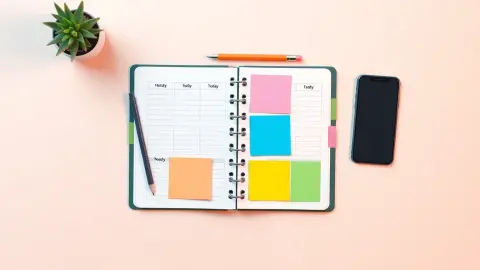
A Weekly Language Study Schedule Template You Can Copy
Copy this weekly language study schedule template: three versions for 15, 30 and 60 minutes a day, balancing lessons, review, input and speaking.

What a Subscription Language App Should Offer
What should you expect from a paid language-learning subscription? A checklist of content, features and fair practices to judge value for money.

What to Do After Finishing a Language Course or App Path
What to do after finishing a language course: how to avoid the post-course drop, keep improving with real content and choose your next learning stage.

What to Do After Your Language App Free Trial Ends
Your language app free trial is ending. Here is how to decide whether to continue, what to check, and how to avoid surprise charges on an annual plan.

Why Personalised Vocabulary Sticks Better in Your Memory
Why personalised vocabulary sticks better: how learning words from your own life, topics and interests boosts memory and motivation, with practical steps.

Write Emails in a Foreign Language: Templates That Work
Write emails in a foreign language with confidence: structure, polite openings and closings, request templates and a checking routine for work or admin.