Learning a Language with Subtitles: What Really Works
Learning a language with subtitles: native-language, target-language or none? A clear guide to getting real vocabulary and listening gains from video.
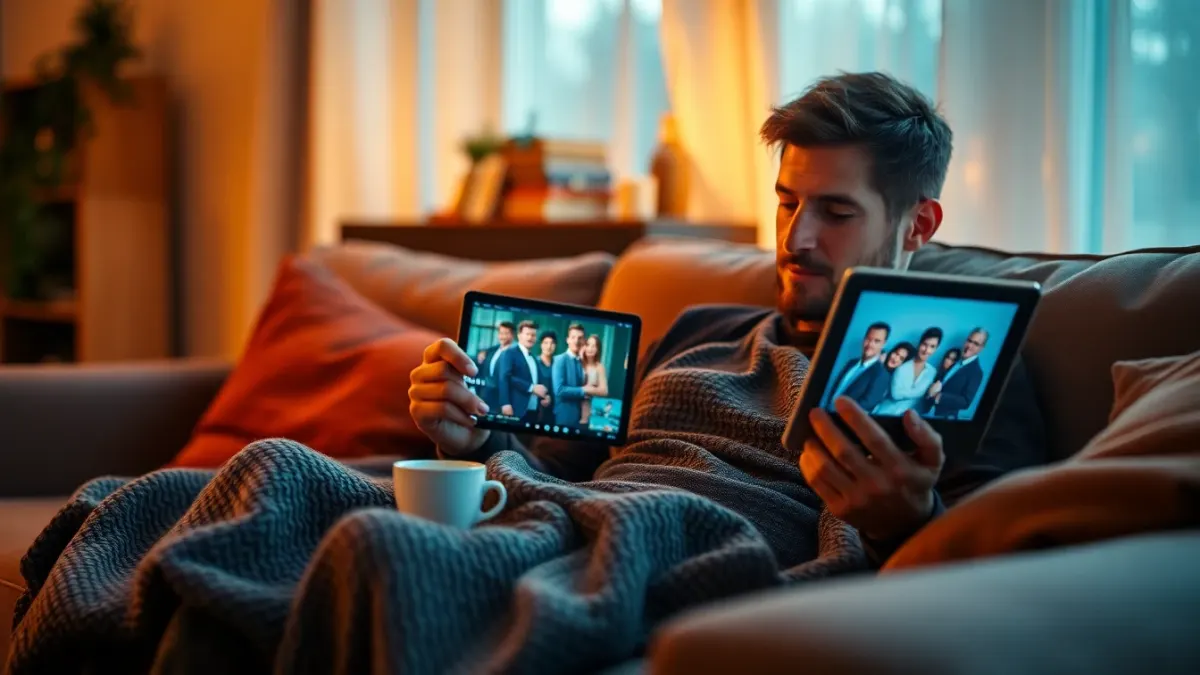
Watching video can be an excellent way to learn, but how you use subtitles changes the result. The short answer: subtitles in the language you are learning are usually the most useful for building vocabulary and listening, while subtitles in your own language are a crutch best kept for early stages or very difficult material.
The three subtitle options
Subtitles in your native language. You understand the story, but your eyes follow your own language and your brain does little with the foreign audio. Fun, but weak for learning.
Subtitles in the target language. You hear the words and see them written at the same time. This links sound and spelling, helps you segment speech into words and catches words you would otherwise mishear.
No subtitles. The most demanding. Great when you can follow the content; discouraging when you cannot.
Why target-language subtitles help
Spoken language blurs words together. Seeing the text lets you realise "oh, that was three words". Over time you learn to hear what you can already read. It also supports vocabulary: you see the spelling of every new word and notice recurring phrases.
The challenge is speed. Reading and listening at once is tiring, and subtitles can disappear before you finish. That is why pause and replay are your friends.
A step-by-step method
- Choose short material. Two to five minutes is better than an hour. Short clips make focus manageable.
- Watch once for the gist with target-language subtitles.
- Replay in sections. Pause on sentences you do not understand.
- Look up only key words. Not every unknown word deserves your attention.
- Watch again, with fewer pauses. Notice how much more you hear.
- Try without subtitles, at least for a few sentences.
Tappable subtitles
A feature that makes this much smoother is tappable subtitles with translations: instead of switching to a dictionary, you tap the word and see what it means, then keep watching. The video feed in LingFit works this way, with tappable, translated subtitles, and you can like and save videos you want to return to.
Pick the right level
If you cannot follow the plot at all, the clip is too hard. A rough guide: you should understand at least the general idea, with the subtitles helping fill the rest. Videos made for learners, short clips with clear speech or content on topics you know are easier than fast comedy or dialects.
What to avoid
- Relying only on native-language subtitles for months.
- Binge-watching without engagement. One attentive clip beats an hour of background noise.
- Translating everything in your head. Try to understand sentences as meaning first.
- Never repeating. The second viewing is where much of the learning happens.
Adding output
After a clip, say one or two sentences about it. Repeat a line out loud, imitating the rhythm. This turns passive watching into a speaking drill, and it takes only a minute.
Choosing what to watch
Start with content that has clear speech, strong visuals and a story you can follow even if you miss words: cooking clips, short explainers, travel snippets or simple vlogs. Avoid heavy slang, overlapping dialogue and fast comedy at first. Over time, raise the difficulty one step at a time, and keep a few favourite clips you can re-watch to see how much your understanding has grown.
Turn a clip into vocabulary
After watching, pick two or three words or phrases that appeared more than once or that you would like to use. Save them with the sentence where they occurred, and say each sentence aloud. The next day, replay the clip and notice whether you now catch those words in the audio. That small check closes the loop between watching and learning.
FAQ
Should I use subtitles when learning a language?
Yes, especially at the beginning. Target-language subtitles tend to be most helpful, while native-language subtitles are best used sparingly.
Are native-language subtitles bad for learning?
They are not bad, but they teach less, because you can follow the story without engaging with the foreign audio.
When should I turn subtitles off?
When you can follow the main content without them most of the time. Try short stretches first and build up.
How long should clips be for learning?
Short clips, often a few minutes, are ideal. They let you replay, check and review without getting tired.