Meditate Before or After a Workout? Pros of Each
Should you meditate before or after a workout? Compare both options, see how each feels, and find a combination that fits your training and your schedule.
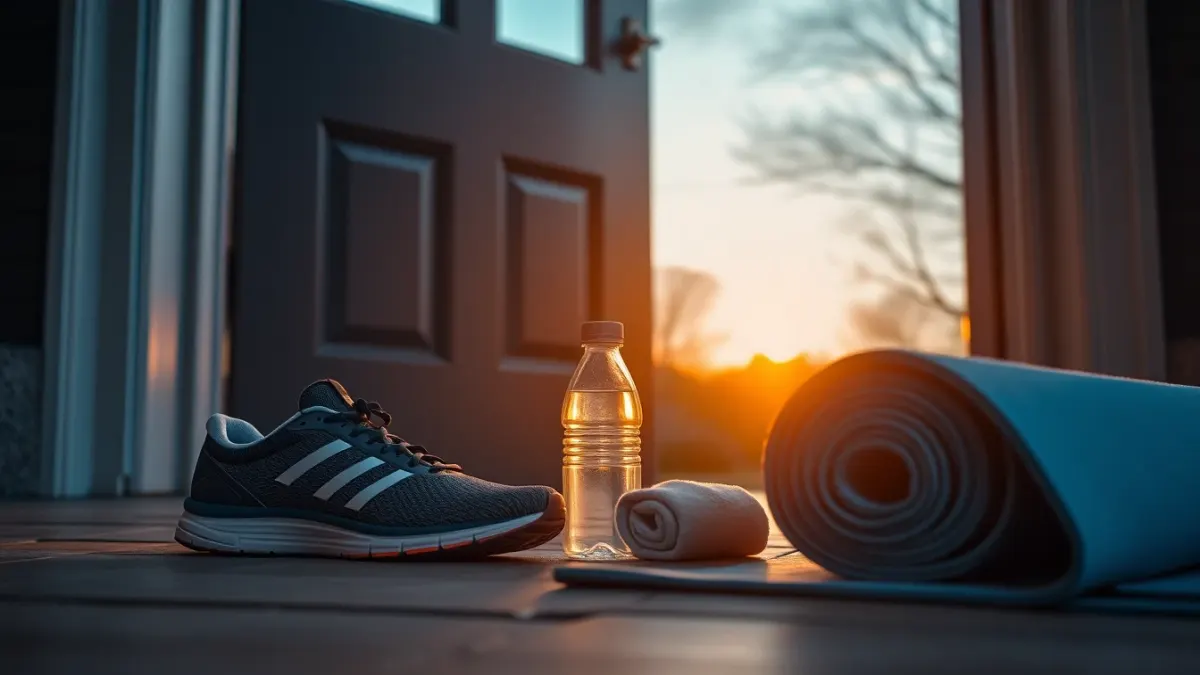
Should you meditate before or after a workout? Both can work, and they feel different. Before exercise, a short session can help you focus and set an intention. Afterwards, it's a natural way to let your heart rate settle and enjoy the quiet. If you can only do one, pick the one you will really do.
Meditating before exercise
A pre-workout session is brief and purposeful. Think two to five minutes.
Possible benefits:
- Focus. Dropping the day's noise helps you pay attention to your form and your body.
- Intention. Choosing a goal, such as "move smoothly" or "enjoy this run", can make the session feel less like a chore.
- Body awareness. A few slow breaths can reveal tight spots before you start.
Things to watch:
- Keep it short and alert. Don't relax so deeply that you feel sleepy.
- Skip it if you're rushed. A rushed meditation isn't helpful.
Meditating after exercise
Post-workout meditation takes advantage of a body that's already warm and often pleasantly tired.
Possible benefits:
- Cooling down. Slow breathing helps your breath and heart rate return toward normal.
- Natural stillness. After moving, being still can feel easier.
- Reflection. You can notice how you feel, what went well and what you need next.
Things to watch:
- Wait until you're no longer gasping, or you'll fight your breath.
- Sit somewhere comfortable and stay warm if you've been sweating.
A simple pairing plan
- Before: Two to three minutes standing or sitting. Take about four seconds in and six out. Set an intention.
- During: Notice your breath and your feet. Treat it as movement meditation.
- After: Three to five minutes seated or lying down. Let your breath slow and scan your body from head to toe.
Which one first?
If you only have time for one, consider your goal:
- Want energy and focus? Meditate before.
- Want recovery and calm? Meditate after.
- Struggling to start workouts? Try a two-minute session beforehand to lower the barrier.
Use guided audio
MindIsland offers three, five or ten minutes of guided meditation with calm voices and optional background sound. Pick three before a training session and ten for a longer cool-down. Because your last ten meditations stay on your device, you can play one in a gym basement or on a trail with no signal. The public library also has categories such as Breathe and Focus that suit different moments.
Meditation as part of recovery
Rest and sleep are huge parts of any fitness routine. An evening session can support a better wind-down, and there's a Sleep category in the library if you want to explore. Don't expect meditation to replace stretching, sleep or proper nutrition, but it can sit comfortably beside them.
Mindful movement counts too
You don't have to sit still to meditate. Notice your feet hitting the ground on a run, the rhythm of your breath on a bike or the weight of a barbell. This is informal mindfulness and a good bridge between formal practice and training.
Safety and health
If you have a medical condition, injury or heart concern, follow your doctor's advice about exercise and recovery. Meditation is a relaxation practice, not a treatment, and it doesn't replace professional guidance for training or health.
Tailor it to the type of training
Different activities invite different pairings. Before heavy lifting, a brief, alert breathing exercise and a clear intention can sharpen focus. Before a long run, a calm minute can help you start at an easier pace. After yoga or stretching, you may already be half-way into a meditative state, so a short seated practice flows naturally. After a hard interval session, give your body several minutes to recover before trying to sit still. Whatever you choose, treat meditation as a companion to training rather than a replacement for warm-ups, cool-downs, hydration or rest days.
FAQ
Is it better to meditate before or after exercise?
Neither is universally better. Before helps with focus and intention; after helps with winding down. Choose the one you'll do.
How long should I meditate after a workout?
Three to ten minutes is plenty. Wait until your breathing is calm.
Can meditation improve athletic performance?
Some athletes use it to support focus and calm under pressure, but it's no guarantee and results vary.
Can I meditate while running?
Informal mindfulness, such as noticing your breath and steps, is possible. Avoid guided audio or closing your eyes when you need to be aware of traffic or terrain.