Meditation for Shift Workers: Calm on Irregular Schedules
Meditation for shift workers fits nights, rotating rosters and odd hours. Learn to wind down after a shift and build a routine that survives your schedule.
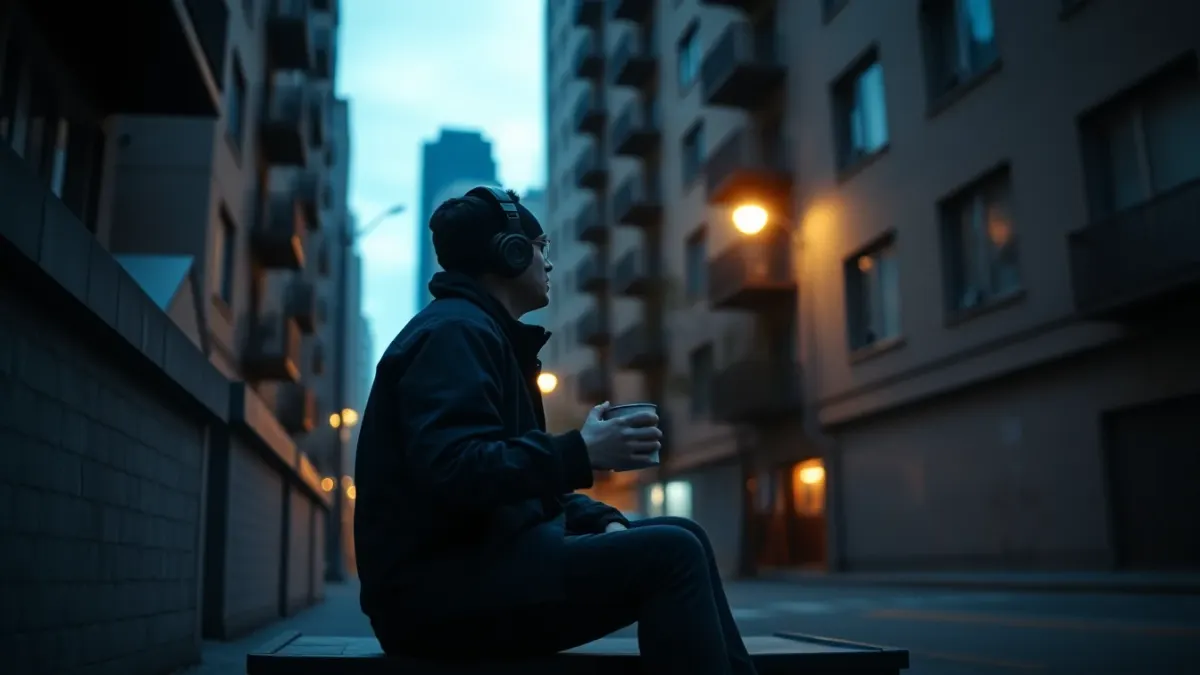
Most wellness advice assumes a nine-to-five day: meditate in the morning, wind down at night. If you work nights, rotating rosters or split shifts, "morning" and "night" mean different things every week. Meditation for shift workers needs to be anchored to your shift, not to the clock.
Anchor to events, not times
Instead of "7 a.m.", pick a trigger that moves with you:
- Before the shift: after you eat and before you leave.
- On the way home: a session once you are in a safe place such as a parked car, a seat on public transport, never while driving.
- After the shift: the ten minutes before you try to sleep, whatever time that is.
- On days off: one steady slot to give the week a little structure.
An event-based habit survives schedule changes much better than a time-based one.
The after-shift wind-down
Coming off a shift, your body can be tired while your head is still running the day. Ending with a quiet meditation can help you put the shift down. Dim the lights, put the phone on do-not-disturb after you press start, and let the voice lead.
MindIsland has a Sleep category in its public library, and you can also write what is on your mind, such as "wired after a night shift", and receive a meditation about that. Choose three, five or ten minutes depending on how much time you have before bed.
Mini resets during the shift
You will not always have ten minutes. A slow breath in for four, a pause and a longer breath out for six, repeated for a minute, can fit between tasks. If you have a proper break, a three-minute meditation with headphones in a quiet corner can feel like a small reset. Keep it practical: only meditate when it is safe and you are not responsible for anyone in that moment.
Be realistic about sleep
Meditation can help you relax, but it cannot replace sleep, and it does not fix a roster that leaves little time for rest. Some general, well-known tips:
- Keep your sleep space dark and cool.
- Use the same wind-down steps each time you go to bed, even if the time changes.
- Limit caffeine in the hours before your planned sleep.
- Talk to your employer about roster patterns if they are harming your health.
If you have ongoing trouble sleeping, or feel exhausted all the time, speak to your doctor.
A flexible weekly pattern
- Work days: one short session, anchored to the shift.
- Rest days: one longer session, ten minutes.
- Hard weeks: do the breathing only. The aim is to keep a thread, not to hit targets.
Using history instead of guilt
MindIsland shows your streak and history with ratings and favourites. Irregular schedules make streaks tricky, so use the history in a different way: note which sessions helped you wind down after shifts and replay them. Favourite the ones that work.
Offline in the break room
Hospitals, warehouses and basements often have poor reception. The app stores your last ten meditations on your device, so you can play them without a connection.
When to seek support
Shift work can affect mood and health. If you feel persistently low, anxious or unable to function, please see a doctor or mental health professional. Meditation is a helpful companion, not therapy.
Protect the pre-sleep window
Whatever time you go to bed, give yourself a short buffer first: lights low, screen brightness down, a glass of water, then the meditation. Over time your body may start to treat that sequence as the signal that sleep is coming, even when the clock disagrees. Consistency in the order of steps matters more than the hour. Keep the sequence identical on night shifts, early shifts and days off wherever you can.
FAQ
When is the best time for shift workers to meditate?
Whenever it fits your routine most reliably. Many people anchor it to the end of a shift, as a wind-down before sleep.
Can meditation help me sleep after a night shift?
A calming meditation can help you relax before bed, but it is not a guarantee of sleep. Combine it with a dark room and a regular pre-sleep routine.
How short can a meditation be?
Three minutes is enough to count. MindIsland offers three, five and ten minute options.
Is it safe to meditate during work?
Only when it is safe and you have no responsibilities in that moment. Never meditate while driving or operating machinery.