Sleep Meditation vs Sleep Stories: What Is the Difference?
Sleep meditation vs sleep stories explained: how a guided wind-down differs from a bedtime tale, who each suits, and tips for using either one well.
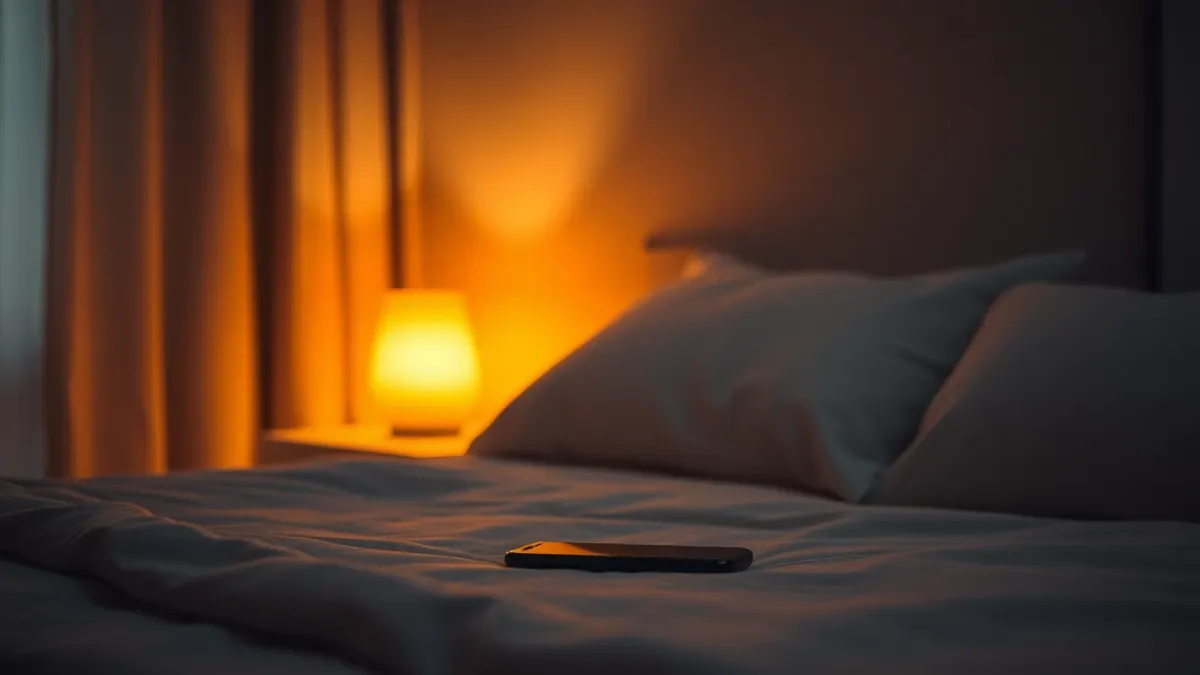
Two kinds of audio dominate bedtime listening: sleep meditations and sleep stories. They often sit side by side in apps, and the labels blur, but they do different jobs. Understanding sleep meditation vs sleep stories helps you pick what suits your evening, and it keeps you from expecting the wrong thing from either.
What a sleep meditation is
A sleep meditation is a guided practice aimed at winding down. A voice might lead you through slow breathing, a body scan or a calming image, inviting you to let go of the day. Attention still has a gentle job: follow the breath, notice the weight of your body on the mattress. The tone is slow, quiet and repetitive.
What a sleep story is
A sleep story is a narrative, a quiet tale told in a soothing voice. There is a plot, though a low-stakes one: a walk through a village, a train journey, a garden at night. The story gives your mind something pleasant to follow, which can crowd out worry loops.
Key differences
| Feature | Sleep meditation | Sleep story |
|---|---|---|
| Format | Instructions and awareness cues | Narrative with scenes |
| What the mind does | Observe breath, body, sensations | Follow a gentle plot |
| Active role | Light participation | Passive listening |
| Good if you | Like practice and structure | Like being told a tale |
Who may prefer each
Sleep meditation suits people who feel tension in the body, want to practise letting go, or already like meditation. It helps build a bridge between daytime practice and bedtime.
Sleep stories suit people whose minds replay the day or invent worries; a story gives the thinking mind something undemanding to do. They also appeal to anyone who enjoys being read to.
Plenty of people use both, alternating by mood.
Tips for using either
- Create a routine. Same time, same dimmed lights, same ritual.
- Lower the screen. Dim the display or lock it; a bright phone is an easy distraction.
- Keep the volume soft. It should be just audible.
- Use a timer or fade. If your player allows, set it to stop on its own.
- Be patient. If you do not fall asleep, you can still enjoy the rest.
What neither can promise
Audio can help create a calming routine, but it cannot guarantee sleep. Sleep is shaped by many factors, such as schedule, light, caffeine, stress and health. Persistent trouble sleeping deserves a conversation with a doctor or sleep specialist, and a meditation app is not a medical treatment.
Where MindIsland fits
MindIsland is built around a personalized daily meditation each morning, but its library of public meditations includes a Sleep category among eight hand-made categories, such as Breathe, Focus, Anxiety Relief and Gratitude. If your evening thoughts are the issue, you could use the morning meditation to name what is on your mind and then choose a Sleep session at night. You can pick a voice that you find soothing.
Choosing by what keeps you awake
- Racing thoughts: a story or a visualization may give the mind a task.
- Physical tension: a body-based meditation can help you notice and soften.
- Worry about tomorrow: a short note to yourself earlier in the evening, plus a quiet audio, can help.
- Plain restlessness: try both and compare across a week.
Mistakes to avoid
- Chasing sleep. The harder you try to sleep, the more alert you feel. Aim for rest and let sleep follow.
- Switching content every night. Familiarity helps; repeat something you like.
- Scrolling before bed. Audio helps less if your last act is stimulating media.
Building an evening wind-down
Audio works best inside a routine. Try an hour of dimmer lights, no heavy meals close to bedtime and a gentle activity such as stretching or reading. Then choose your audio: a story if your thoughts need a gentle task, a meditation if you want to practise letting go. Keep the same format for a week so your body learns the cue. If you wake in the night, a short meditation can be a calmer alternative to checking your phone, though if wakefulness is frequent, discuss it with a doctor. Consistency matters more than which type you choose.
FAQ
Is a sleep meditation better than a sleep story?
Neither is universally better. Meditations offer a practice, stories offer a distraction. Choose what relaxes you.
Can I fall asleep during a sleep meditation?
Yes, that is common and acceptable at bedtime.
Should I use headphones in bed?
It is a personal preference. Speakers are comfortable, while sleep-friendly headphones help with noise. Avoid anything that digs in.
Does MindIsland have sleep content?
Its library includes a Sleep category among eight public categories.