Ten-Minute Meditation: How to Structure a Longer Session
Ready to go beyond five minutes? Here is how to structure a ten-minute meditation so it feels spacious, not long, with tips for MindIsland users.
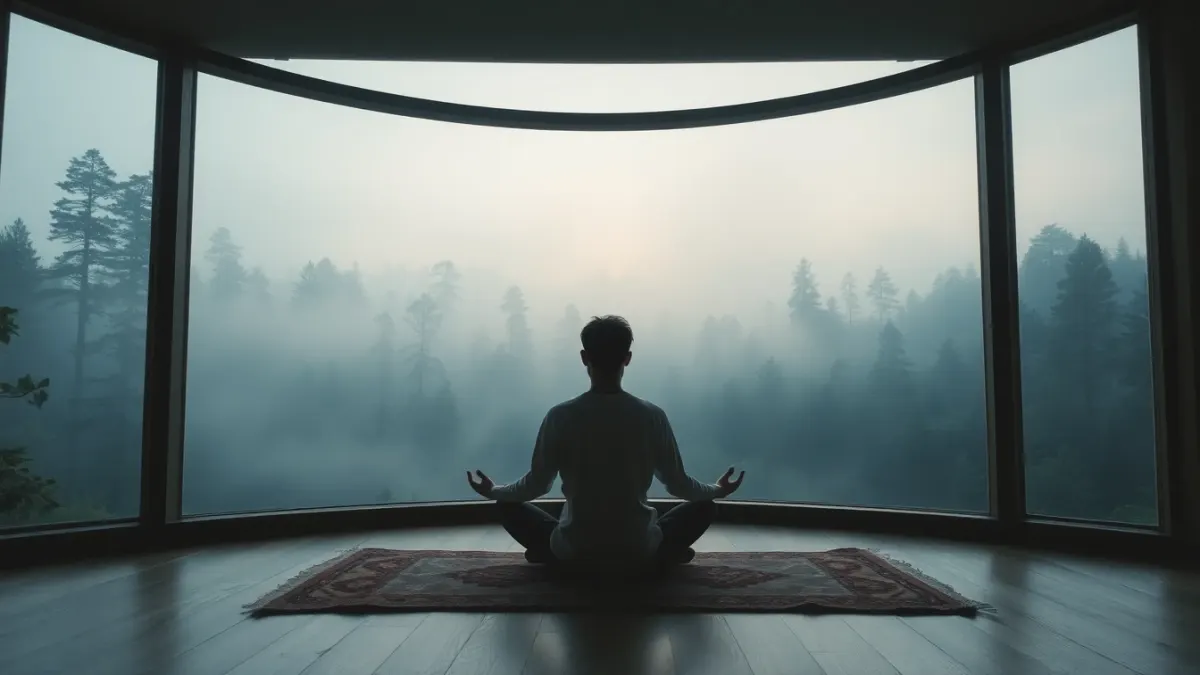
A ten-minute meditation gives your mind time to actually settle, which often takes the first few minutes. If three or five minutes already feel comfortable, ten is a natural next step. This guide shows how to divide the time, what changes at that length, and how to avoid the common trap of treating it like a performance.
Why ten feels different from five
In a short session, you spend most of your time arriving. At ten minutes there is room for a middle: a stretch where the initial fidgeting fades and attention gets steadier. You may also meet more of your own thoughts, including the uncomfortable ones, since there is less hurry to move on.
This is not a competition. Many long-time meditators stay at short sessions. Ten is simply a tool you might enjoy on days when you have the time.
A simple ten-minute structure
Minutes 0 to 2: arrive and breathe. Settle, take a few slow breaths with longer exhales, feel your weight supported by the chair or floor.
Minutes 2 to 6: one anchor. Choose the breath, a sound or the sensation of your hands. Rest attention there. Each time you drift, return without scolding yourself.
Minutes 6 to 8: body scan. Sweep slowly from head to feet, noticing tightness or ease. No fixing, just noticing.
Minutes 8 to 10: open awareness and close. Let attention be wide: sounds, breath, body, all at once. In the last thirty seconds, set an intention for the rest of the day.
Keep it from becoming a chore
Longer sessions can feel like homework if you force them. Some safeguards:
- Pick a day, not a daily mandate. Do ten minutes on mornings when you wake early, three or five on rushed days.
- Use a guide. Ten minutes of silence can feel endless when you are new to it. With MindIsland you choose ten minutes and a calm voice, and the session is written for you that morning, with optional background music that ducks under the words.
- Match the topic to your day. If you tell the app what is on your mind, the ten minutes can be about that rather than a generic script.
What to do with restlessness
Around the middle you may feel an urge to check the time or quit. Treat it as information. Notice the urge, feel it in the body, and keep breathing for three more breaths. Often it passes. If it does not, ending early is allowed; just do it deliberately rather than by reflex.
Sitting comfortably for longer
Ten minutes exposes bad posture. Raise your hips with a cushion so your knees sit lower than your hips, or use a chair with a supportive back. If a leg goes numb, shift slowly. Pain is not a requirement of meditation.
After the session
Take a moment before grabbing your phone. Drink water, stretch, and think of one thing you noticed. Some people jot a line in a notebook. MindIsland keeps a history of your meditations with ratings and favorites, which makes it easy to spot the ten-minute sessions you liked most.
When to stay short
If ten minutes makes you dread the practice, go back to five. Consistency matters more than duration. A five-minute habit you keep for a year beats a ten-minute habit you drop in a week.
Ten minutes on a rushed day
There will be mornings when ten minutes simply is not available. Treat that as a scheduling fact, not a failure. Do three minutes and save the longer sit for the evening or the weekend. Another option is to split the session: five minutes after waking and five minutes before bed. The total is the same, and the two shorter sits often feel lighter. What you want to avoid is the all-or-nothing rule that says only a full ten counts. A flexible approach keeps the habit alive across busy weeks, which matters more than any single long session.
FAQ
Is a 10-minute meditation enough?
For daily wellbeing practice, many people find it a comfortable length. There is no universal "enough"; what counts is that you can sustain it.
How do I go from 5 to 10 minutes?
Add a minute or two each week, or try ten minutes on one weekend day first. If you use MindIsland, you can pick ten minutes whenever you like.
What should I focus on for ten minutes?
Pick one anchor such as the breath and return to it. A guided session can supply the focus for you.
Can I meditate lying down?
You can, but you may fall asleep. If your goal is to rest, that is fine; if it is to practise attention, sit up.