Walking Meditation vs Seated Meditation: Pros and Cons
Walking meditation vs seated meditation compared: how each feels, who each suits, and how to try a short mindful walk if sitting still is not for you.
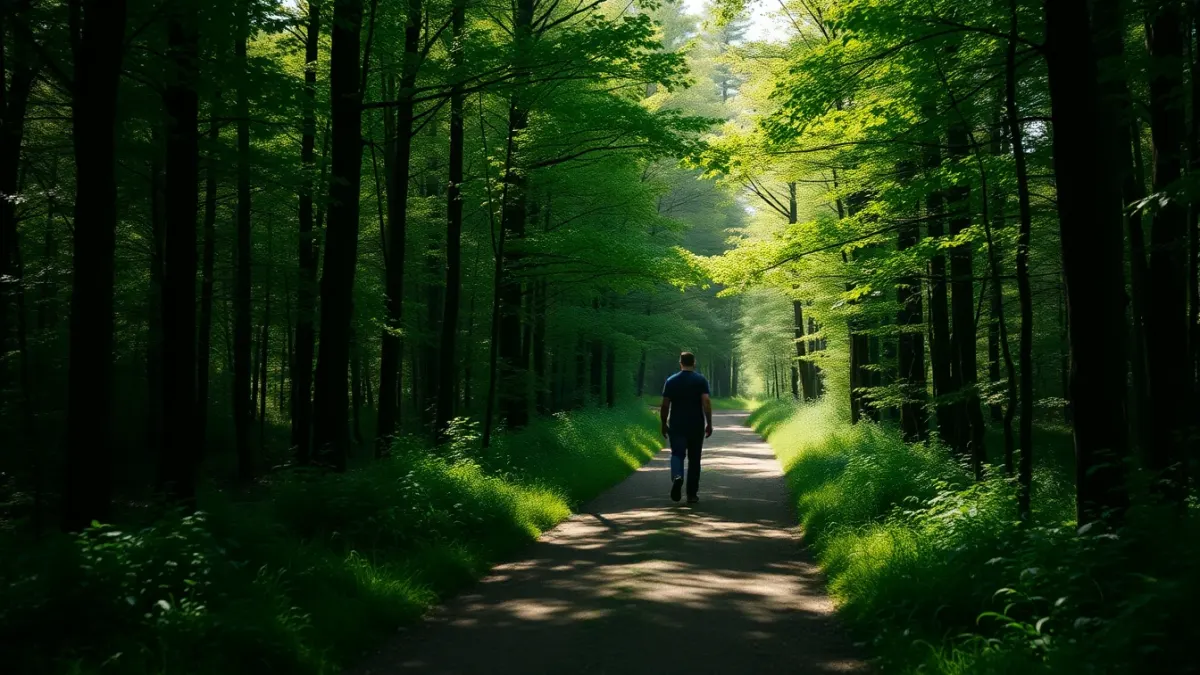
Not everyone meditates on a cushion. Walking meditation turns an ordinary stroll into an attention exercise, while seated meditation keeps the body still so the mind is the only moving part. The comparison of walking meditation vs seated meditation is useful if you are restless, if sitting makes you sleepy, or if you simply like a bit of variety.
What seated meditation offers
Sitting is the classic posture. With the body settled, there is less to distract you, and the breath or another anchor stands out.
Advantages
- Simple and portable. A chair is enough.
- Works well with audio guidance.
- Stillness can make wandering thoughts easier to spot.
Challenges
- Restlessness or discomfort can dominate.
- Drowsiness, especially after meals or in the evening.
- Some people feel trapped by stillness.
What walking meditation offers
You walk slowly, often back and forth over a short path or around a room, and feel each step: heel lifting, foot moving, heel landing. Your anchor is the sensation of walking rather than the breath.
Advantages
- Movement helps if you feel fidgety.
- Less likely to doze off.
- Can be done outdoors, which many people enjoy.
Challenges
- Harder with audio guidance if you need to watch your path.
- Public settings invite distraction.
- It may feel odd to walk slowly at first.
How to try walking meditation
- Find a short stretch, ten to twenty steps, indoors or outdoors.
- Stand and breathe for a moment, feeling your feet.
- Walk slowly, noticing lift, move and place for each step.
- When your mind wanders, return to the soles of the feet.
- At the end of the path, pause, turn mindfully and continue.
Five minutes is a good start. If you prefer to walk at normal speed, choose a quiet route and simply pay attention to sensations, sounds and sights.
A comparison table
| Question | Seated | Walking |
|---|---|---|
| Best for restless energy | Less so | Yes |
| Risk of sleepiness | Higher | Lower |
| Works with audio | Very well | Possible, but needs care |
| Needs a clear path | No | Yes |
Which should you choose?
If you are new and want guidance, seated sessions with a voice are the simplest. If you notice you cannot settle, try a walking session as a bridge, then return to sitting. Mixing them across the week can add variety. There is no hierarchy.
Safety and comfort
Pick a flat, safe route and avoid traffic. If you use headphones outdoors, keep the volume low enough to hear your surroundings. If you have balance or mobility issues, seated practice or a supported walking path might be safer; ask a health professional if unsure.
Where an app comes in
On mornings when you prefer to sit, MindIsland generates a fresh meditation for you, in three, five or ten minutes, and you can tell it what is on your mind first. On walking days, you might skip the audio and focus on the steps, then use the app later in the day. The two styles complement each other.
Everyday mindful walking
You do not need a special session. Try a "mindful minute" on the way to the car or the bus: feel your feet, notice the air on your skin, listen to three sounds. It turns routine movement into a tiny practice.
Mixing the two in one day
You do not have to pick a side. A simple pattern is a short seated session in the morning with a guided voice, and a slow mindful walk of five minutes after lunch to break up the afternoon. The seated session builds steadiness; the walk brings the same attention into movement and daylight. If you work at a desk, the walk also counteracts stiffness. Over a few weeks you may find that one of them becomes your anchor while the other becomes a pleasant bonus, and that is a perfectly good outcome.
FAQ
Is walking meditation as effective as sitting?
They train similar attention skills through different anchors. Which is more effective depends on what you will actually do and enjoy.
How long should a walking meditation be?
Five to ten minutes is a good range for starters, though some people walk longer.
Can I use a guided meditation while walking?
You can, but make sure you remain aware of your surroundings. Some people prefer silent walking so they can attend to their steps.
What if I feel silly walking slowly?
That is common at first. Choose a private place like a hallway or garden until it feels natural.