VR Games for Teens: What PEGI 12 Means for Laser Thief
Choosing VR games for teens? A plain look at Laser Thief's PEGI 12 rating, what the game involves, safety tips and how to keep teen sessions healthy.
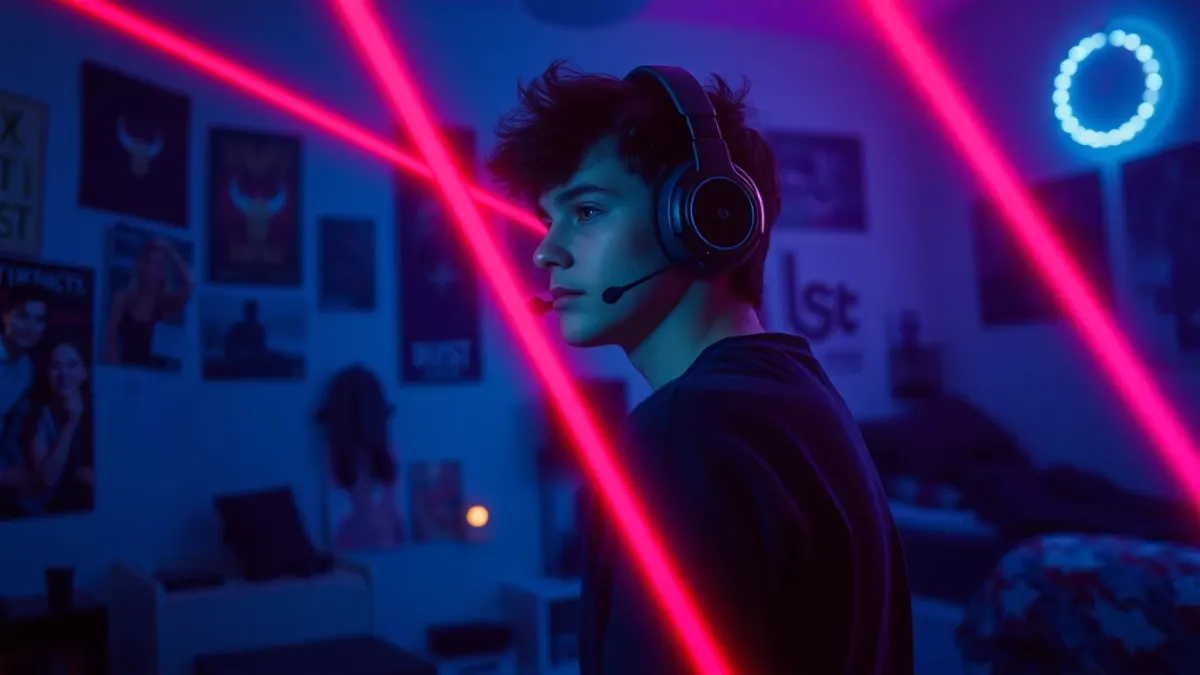
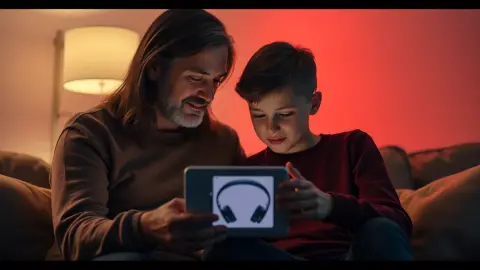
When teenagers ask for VR games, parents tend to brace for shooters and jump scares. Laser Thief is a more interesting answer. It is one of the VR games for teens that actually makes them move, and it does so with humour rather than gore. Here is what the rating means and how to judge it for your own teen.
The rating, in plain words
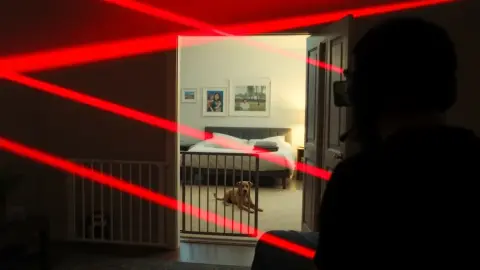
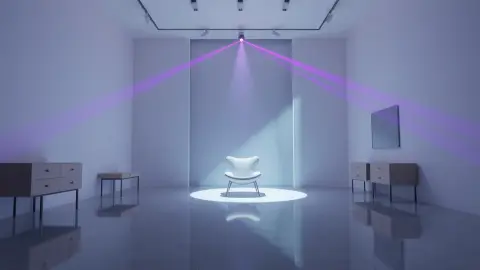
Laser Thief carries a PEGI 12 rating. According to its privacy policy it is not directed at children under 13, and players must also meet the minimum age your headset platform sets. PEGI 12 generally allows more intense content than younger ratings, and in this game that includes the Warzone world, where explosives are everywhere and the tension climbs. There is no shooting at people; the challenge is getting through light, not fighting enemies.
If your teen is at or above the age bracket, the content itself is on the mild side of PEGI 12. The bigger consideration is physical, not moral.
Why teens tend to enjoy it
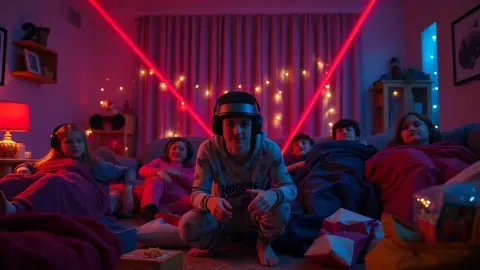
Teens like games they can show off, and Laser Thief is made for it. Every duck, crawl and dodge is visible to anyone in the room, which makes it a natural party trick. The game has three modes that suit different moods:
- Story Mode takes you through all seven worlds with a narrator who has opinions about your technique.
- Bomb Mode gives you 120 seconds to grab as much loot as you can. It is ideal for a quick "beat my score" challenge.
- Free Play has random levels and no timer, good for casual sessions.
The tone is playful. The narrator celebrates wins and enjoys mistakes, and levels such as the garbage world with its poison bubbles are more silly than scary.
The real parental checklist
Because the game asks players to crouch, crawl and stretch around a real room, the practical risks are bumps, trips and fatigue. Here is a sensible checklist:
- Choose a room with about 3 × 3 metres (10 × 10 feet) of clear floor, ideally the living room rather than a cluttered bedroom.
- Move cables, shoes, bags and breakable objects out of the way.
- Make sure Space Setup is done so the game can map beams to real walls and furniture.
- Insist on good lighting, which also helps headset tracking.
- Agree on short sessions with breaks. Teens lose track of time in headsets.
- Stop immediately if there is dizziness, nausea or pain.
The game's terms note that virtual lasers do not protect against real furniture, and that is worth repeating to an excited fourteen-year-old.
Screen time that moves
Plenty of parents worry about teens sitting for hours. A game that requires ducking and stretching is a different thing from a sofa-bound shooter. We will not claim it replaces sport or outdoor play, and it is not a health programme, but it is active screen time. Pairing a session with a sibling or friend taking turns tends to keep it social and prevents marathon solo play.
Privacy points parents care about
The privacy policy says Laser Thief has no account system, does not collect personal data and contains no third-party advertising or tracking SDKs. It states that camera images of the room are not recorded or transmitted and that progress is stored locally on the headset. That is helpful context if you are concerned about a camera-equipped device in a teen's room, though you should still check the headset platform's own settings and policies, as Meta handles purchases and store services.
Is it the right fit?
If your teen already has access to a Quest 3 or Quest 3S, this is an easy recommendation as an active, funny, low-gore choice. The store page is here, and more details are on the game page. If they are sensitive to motion in headsets, begin with short sessions and watch for discomfort.
FAQ
Is Laser Thief OK for a 12 year old?
It is rated PEGI 12, so the rating allows it, but the game is also physically demanding and requires platform age eligibility. Judge your child's comfort and maturity, and supervise the first sessions.
Does Laser Thief have violence?
It is about avoiding lasers and collecting loot, not fighting. The final Warzone world involves explosives and a tense mood.
Are there ads or in-game chat?
The privacy policy says the game shows no third-party advertising and has no account system. It does not describe any online chat feature.
How long should a teen play?
Short sessions with breaks are recommended, and stop at once if there is pain, dizziness or discomfort.