Story, Timed and Free Play Modes: Why Games Offer All Three
Game modes explained: why many games offer story, timed and free play modes, how each suits a different mood, and how Laser Thief uses all three.
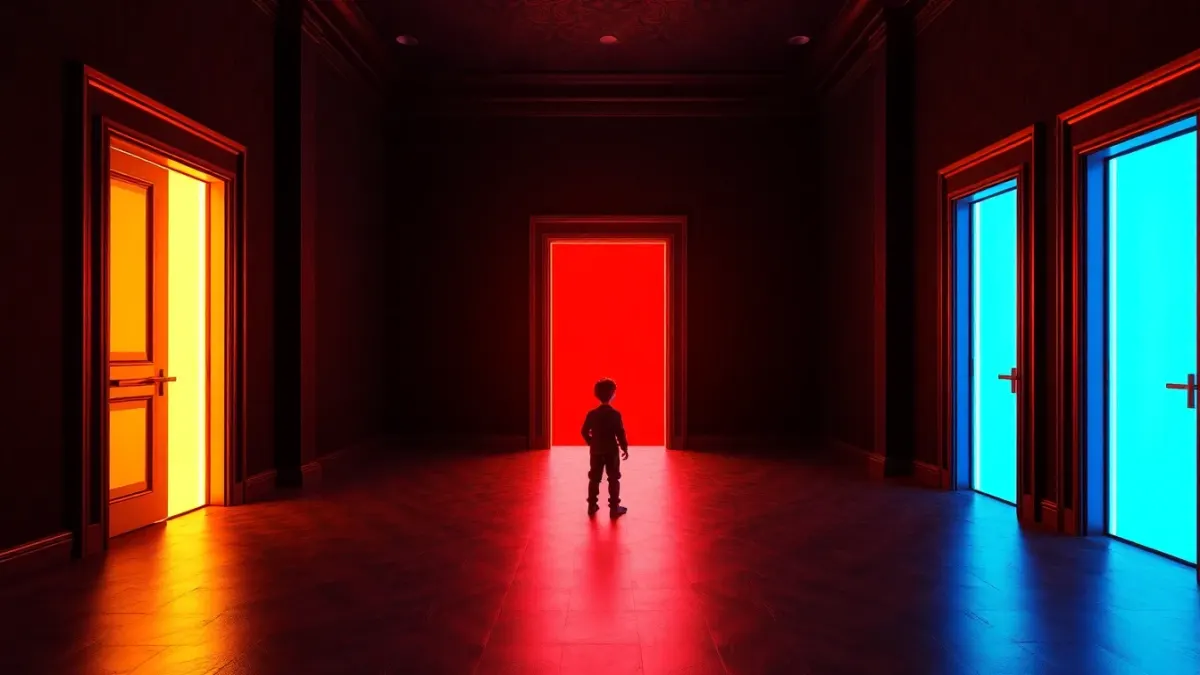
Open a modern game and you'll often see a menu with a few choices: a story, a challenge, a sandbox. That isn't padding. Each choice serves a different mood. Here is game modes explained: why a good game offers more than one way to play, using Laser Thief's three modes as the example.
Why more than one mode?
Players come with different energy levels and goals. On Monday evening you might want something relaxing. On Saturday you might want a challenge. A single mode can't serve both. Multiple modes let one set of mechanics fit many moods.
Story Mode: the journey
A story or campaign mode gives you progression and context. In Laser Thief, Story Mode takes you through all seven worlds, heist after heist, with a narrator who has opinions about your technique. Every level is a little harder than the last.
Best for: when you want to make progress, see the worlds and enjoy the humour.
Mood: engaged, steady, curious.
Timed Mode: the sprint
Timed modes squeeze tension into a short window. Laser Thief's Bomb Mode gives you 120 seconds to grab as much loot as possible before the place goes up. The page calls it boom or bust: greed is rewarded, hesitation is not.
Best for: adrenaline, short sessions, score chasing.
Mood: focused, bold, a little frantic.
Free Play: the sandbox
Free play removes pressure. Laser Thief's Free Play offers random levels with no timer: perfect for warming up, showing the game to friends or just enjoying the laser show.
Best for: warm-ups, practising tricky moves, relaxed play, demos.
Mood: calm, playful, exploratory.
How modes support each other
The modes form a loop:
- Free Play builds familiarity with moves.
- Story Mode applies them in structured challenges.
- Bomb Mode tests them under pressure.
- Free Play again for cool-down or showing others.
A player who uses all three tends to improve faster than one who uses only the high-pressure option.
Modes and physical comfort
In an active game, modes also help manage your body. A timed sprint is demanding; a free-play level lets you rest while staying in the game. You can choose the intensity that matches your energy and your sore knees. That's an accessibility feature as much as a design one.
Choosing a mode: quick guide
- Tired? Free Play.
- Want progress? Story Mode.
- Short on time and full of energy? Bomb Mode.
- Friends over? Free Play for demos, then Bomb Mode as a challenge.
- New to the game? Free Play first.
Designer's takeaway
If you design a game, resist the urge to make one mode do everything. A sprint, a journey and a sandbox are three different promises. When each mode delivers its own promise cleanly, players feel the game respects their time.
A safety reminder across all modes
No matter which mode you pick, clear a 3 × 3 metre area, light the room and stop if anything hurts. Virtual lasers do not protect you from real furniture. See all the modes on the Laser Thief page.
What other games do with modes
The three-mode pattern is common because it works. Many games pair a campaign with a quick challenge and an open sandbox. The details differ, but the logic is the same: give the player a long road, a short thrill and a safe place to experiment. When you evaluate any new game, check whether it offers all three promises. A game with only a long campaign can feel heavy on busy days; a game with only a sprint can lack depth. Variety in modes is often a sign that the designers thought about different kinds of players, from the completionist to the person with ten spare minutes.
Switching modes mid-session
You don't have to commit to one mode per session. A natural flow is to warm up in Free Play for a few minutes, move to a couple of Story levels while you're loose, and finish with one Bomb Mode run if energy remains. Finishing with the sprint is a nice reward, but stop earlier if your legs feel tired. Ending a session on a calm Free Play level is a perfectly good choice too.
FAQ
What modes does Laser Thief have?
Story Mode, Bomb Mode (120 seconds) and Free Play (random levels, no timer).
Which mode should beginners start with?
Free Play is a gentle way to learn the moves before progressing.
Does Bomb Mode have a time limit?
Yes, 120 seconds.
Which mode is best when friends are watching?
Free Play is a good choice for showing the game to friends, since there is no clock or pressure.