Consistency vs Intensity in Language Learning
Daily short sessions or big weekend marathons? Here is how consistency and intensity compare for learning a language, and how to combine them.
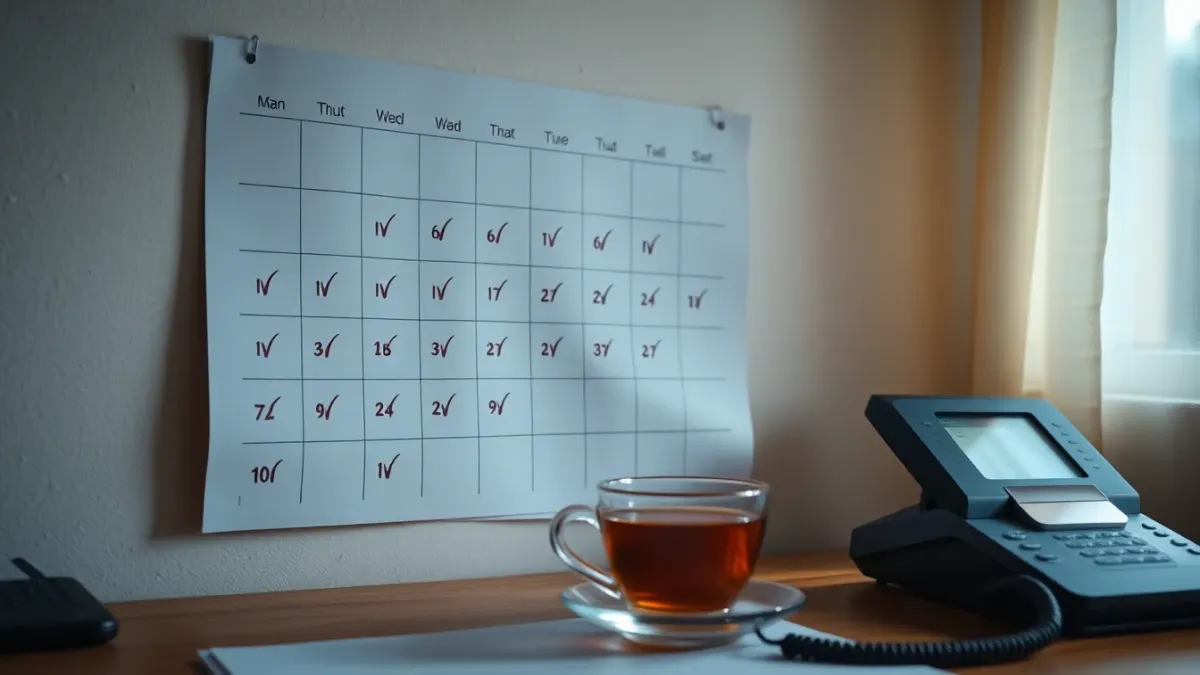
If you have to choose, choose consistency. For most people, studying a language a little every day beats studying a lot occasionally, because memory benefits from repeated exposure over time. Intensity still has its place, but as a booster, not as the foundation.
What the memory research suggests
Learning sticks better when it is spread out. Short, frequent contact lets you forget a little and then re-learn, which makes memories more durable. A single long session can feel productive but gives you one shot at storing everything, and tiredness reduces the quality of the later hours.
That does not mean marathons are useless. They can build momentum, let you immerse deeply and make sense of a topic in one go. They are just a poor main strategy for retention.
The case for consistency
- Low friction. Ten to twenty minutes is easy to start, so you actually do it.
- Better retention. Daily contact means constant gentle review.
- Habit. After a few weeks the routine runs on autopilot, and you stop negotiating with yourself.
- Resilience. Missing one day hardly matters when you study often.
Apps built around streaks and daily goals lean on this idea. LingFit, for example, describes itself as language learning built around consistency, with short games and light reading rather than long, heavy sessions.
The case for intensity
- Immersion effect. A long block lets you stay in the language, which can speed up fluency in speaking.
- Context building. You can read a full story or watch a whole video series in one sitting.
- Deadlines. A trip or exam in three weeks may justify extra hours.
The cost is fatigue. Concentrating for long stretches is hard, and many learners burn out and stop completely.
A hybrid that actually works
- Set a daily minimum. Something so small you can do it on a bad day: one lesson, one short story, or ten review cards.
- Protect the habit. Same time, same place, a trigger such as breakfast or the commute.
- Add an occasional longer session. Once or twice a week, spend an hour on something deeper: a long article, a conversation, a grammar topic.
- Rest. Take a full day off sometimes so it does not feel like a prison.
The daily minimum builds the habit; the longer session adds depth.
Warning signs of too much intensity
- You dread sessions.
- You remember little a week later.
- You skip several days after a big push.
- You are mixing too many methods without finishing any.
If any of these sound familiar, scale back and rebuild the habit with smaller steps.
What counts as a session
Passive time in the language also counts when it is attentive: listening to a podcast while walking, tapping through a subtitled video or reading a short story. Not every session has to be a lesson.
A sample week
Monday to Friday: fifteen minutes of lessons or review, always at the same time. Saturday: forty-five minutes of reading a longer story or watching videos you enjoy. Sunday: rest, or just a few cards. That adds up to roughly two and a half hours, spread so memory gets many small boosts. Adjust the numbers to your life, but keep the shape: small and frequent, plus one longer, more enjoyable session.
FAQ
Is it better to study a language every day or a few times a week?
Daily is usually better for retention and habit, even if the sessions are short. If daily is impossible, regular days at fixed times are the next best thing.
How many minutes a day is enough to learn a language?
There is no universal number. Ten to thirty minutes of focused study every day can produce steady progress, and more helps if you can manage it without burning out.
Can I make up for missed days with a long session?
A little, yes, but it will not replace the benefit of spacing. Do a moderate catch-up and return to your normal routine instead of punishing yourself.
Does intensity ever beat consistency?
For short deadlines or immersion trips, intensity can accelerate progress. Over months and years, consistency tends to win.