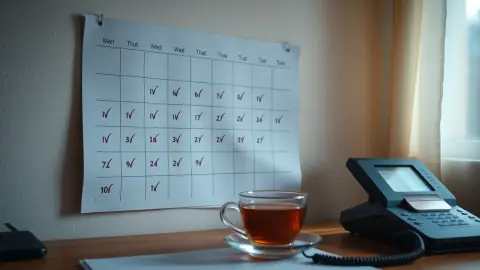
How Many Minutes a Day to Learn a Language? Start Here
How many minutes a day to learn a language? A practical guide to 10, 20 and 45-minute routines and how to pick the one you will actually keep.
If you want a number: 15 to 30 minutes a day is a sweet spot for most adults. But the better answer to "how many minutes a day to learn a language" is the amount you will still do on your worst day of the week. A modest routine you keep for a year beats an ambitious one that dies in ten days.
Why daily beats long
Memory works in cycles. You learn something, you forget part of it overnight, and you strengthen it when you meet it again. Short, frequent sessions create many of those cycles. One long weekend session creates just one.
That is why language teachers and researchers on spaced practice keep landing on the same advice: little and often. It also lowers the activation energy. "Ten minutes" is easy to begin; "two hours" is a thing you postpone.
Three routines to choose from
The 10-minute floor
Good for very busy weeks, parents of small kids, or the first two weeks of building a habit. In ten minutes you can finish one short lesson or review a handful of words. You will progress slowly, but you will progress, and the streak of showing up matters more than the length.
The 20-minute core
This is the routine I would recommend to most people. Split it, for example: 10 minutes of a structured lesson, 5 minutes of reviewing old words, 5 minutes of reading or listening to something easy. It fits a coffee break.
The 45-minute deep session
Great if you have a clear goal, such as a trip in two months. Don't do it as one block of the same activity. Rotate: new material, review, a game, a short story. Variety keeps attention up.
What "a minute" should contain
Not all minutes are equal. Aim for a mix across a week:
- New material: a lesson or chapter that introduces words and structures.
- Review: coming back to words from earlier days.
- Input: an easy story or a short video where you meet the words in context.
- Retrieval games: quick rounds that make you recall under light pressure.
In LingFit these map to the structured lessons, the easy-language stories, the video feed with tappable subtitles and the Flash, Ping-Pong and Tug-of-War games, so a 20-minute session can touch all four without hunting for materials.
How to pick your number
- Look at your calendar for the next week and find a slot you already protect, like your commute or lunch.
- Choose a time that feels almost too easy. Ten minutes is fine.
- Do it for two weeks without raising it.
- Only then add five minutes, if you want to.
Habit researchers often point out that tying a new behaviour to an existing one (after coffee, before the shower) makes it stick better than relying on motivation.
What about weekends and bad days?
Decide in advance what a "minimum day" looks like. For example: one lesson or five minutes of review. On a day when you are ill or exhausted, doing the minimum keeps the habit alive without guilt. Many people quit not because they were too busy, but because one missed day turned into a missed week and they felt they had to start over.
When to increase
Increase when the routine feels boring-easy, not when you feel guilty. If you have a deadline (an exam, a trip, a new job), temporarily raise the time. After the deadline, step back down to a level you can maintain.
Also remember that listening and reading in the background count. A commute with an audio-based activity or a few video clips adds exposure beyond your formal minutes.
FAQ
Is 15 minutes a day enough to learn a language?
It is enough to make steady progress, especially in the first months. You will move more slowly than someone doing an hour, but daily 15-minute practice adds up to many hours over a year.
Is it better to study 1 hour once a week or 10 minutes daily?
Ten minutes daily is generally better for memory, because frequent short exposures give you more chances to recall and reinforce words. Ideally, do both if your schedule allows.
How many hours a day do serious learners study?
Intensive learners may do two or more hours daily, but that is not necessary for most people. Quality and consistency matter more than raw hours.
Does the time of day change how many minutes I need?
Not directly. What matters is that you can concentrate. Pick a time when you are alert enough to actually recall words rather than scroll through them.