Language Learning for Au Pairs: Settle Into a Host Family
Language learning for au pairs: what to practise before you arrive, how to talk with host parents and children, and how to keep studying beside your duties.
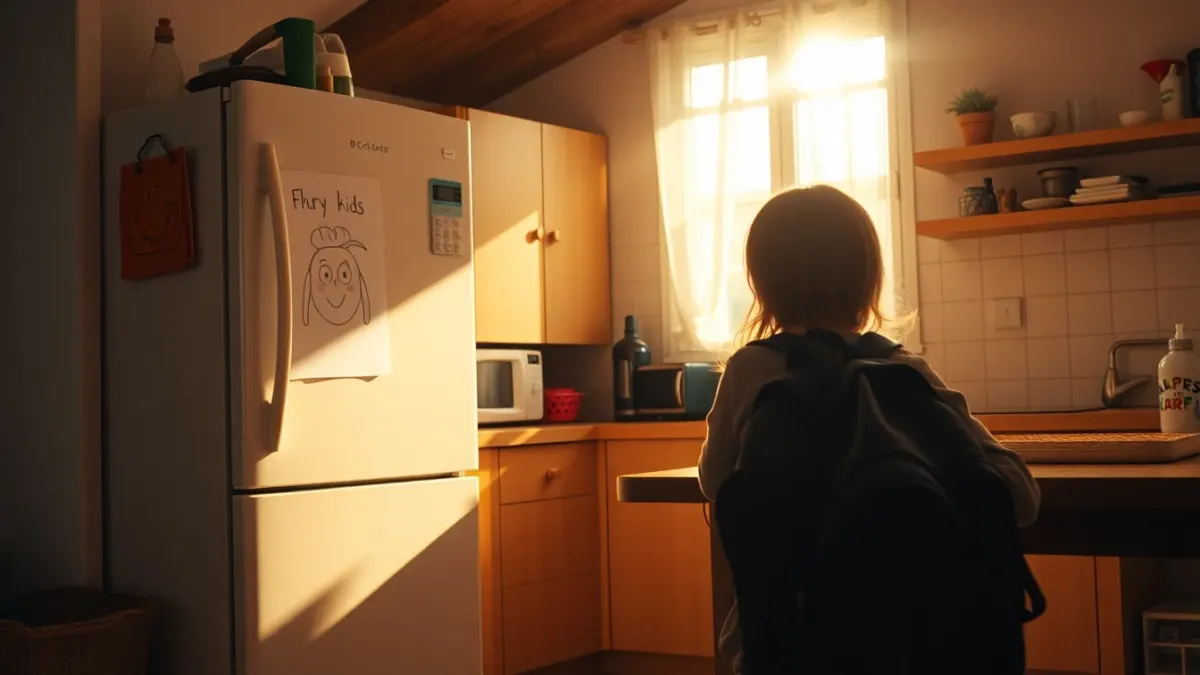
Being an au pair is a language course disguised as a job. You live with a family, share meals, talk to children all day and hear everyday speech without a classroom. That is a huge advantage, but only if you arrive prepared and keep studying actively. Here is how to approach language learning for au pairs, whether you leave next week or next season.
Before you travel
Arrive with enough language to survive the first days. Focus on practical phrases rather than perfect grammar:
- Greetings and introductions, including your country and your plans.
- Meal and kitchen vocabulary: breakfast, plate, spoon, hungry, thirsty.
- Time and routine: wake up, school, nap, bath, bedtime.
- Asking for help or repetition: "Could you say that again?", "What does that mean?"
- House rules: key, wifi, laundry, shopping, public transport.
If you are comfortable with these, the first days become far less stressful. Do a little each day instead of a weekend cram.
Learn the words children use
Children speak differently from adults. They use shorter sentences, simple words and a lot of repetition, which makes them wonderful teachers. Prepare a small pack with words for toys, animals, colours, feelings and games. In LingFit you can type a topic or a list of up to 20 words to create an Extra Pack, such as playing with children, and the app generates a custom chapter. Practise the words so you can use them in play, and expect to learn many more on the spot.
Understand the family dynamics
Language learning rides on relationships. Speak with your host parents about how they would like to handle language: whether they will correct you, whether they prefer you to speak their language even when your English is better, and when you are allowed to switch. Clear expectations avoid awkward moments, and most host parents are glad to hear you want to improve.
Use everyday life as practice
Your daily routine contains endless practice opportunities:
- Label what you do aloud while you cook or play.
- Ask a child to name objects, then repeat after them.
- Read a picture book together, slowly.
- Keep a pocket list of new words, then review them each evening.
Do not worry if children correct you. They are often fearless and kind.
Add structure on top
Immersion is powerful, but it can be chaotic. A structured course gives you a backbone so that gaps do not accumulate. LingFit is a language-learning app for iOS, Android and the web, with a main course in chapters, levels and lessons from A1 to B2 for the supported language pairs. A few short sessions each week help you understand why things work, which makes the daily speech you hear easier to sort.
Listen beyond the family
Your host family speaks in a particular style, with its own slang and accent. Widen your input with short video clips with subtitles you can tap, which expose you to other voices and topics. Replay a sentence until you can catch every word.
Look after your study time
An au pair day is full, so protect small blocks. Use the quiet time when the children nap or are at school for twenty minutes of focused study, if your arrangement allows it. Language classes in the local area are also a good way to meet other au pairs and practise outside the house. Share your progress with friends back home or other au pairs for motivation.
Be honest about difficulties
Homesickness, misunderstandings and tiredness are normal, and they can make language feel harder than it is. Speak with your host parents or your agency if something feels off, and keep a routine that lets you rest. A tired learner remembers little.
Costs matter on an au pair budget: LingFit is a paid subscription, and only the annual plan comes with a 7-day trial. See lingfit.app.
FAQ
How much of the language do I need before becoming an au pair?
Basic survival phrases are enough to begin with, since daily life with the family will teach you a lot quickly.
Will my host family help me learn?
Many do, but expectations differ, so talk about it early and ask how they would like to handle corrections.
Can I learn only through living with the family?
Immersion helps a great deal, but adding a structured course and regular listening practice fills the gaps.
How can I learn child-related vocabulary?
Create a small pack of toys, feelings and routines, and learn the rest by playing and reading with the children.