Language Learning for Busy Parents: Small Wins That Add Up
Language learning for busy parents is possible with micro-sessions, kid-proof routines and realistic goals. Practical ways to fit it into family life.
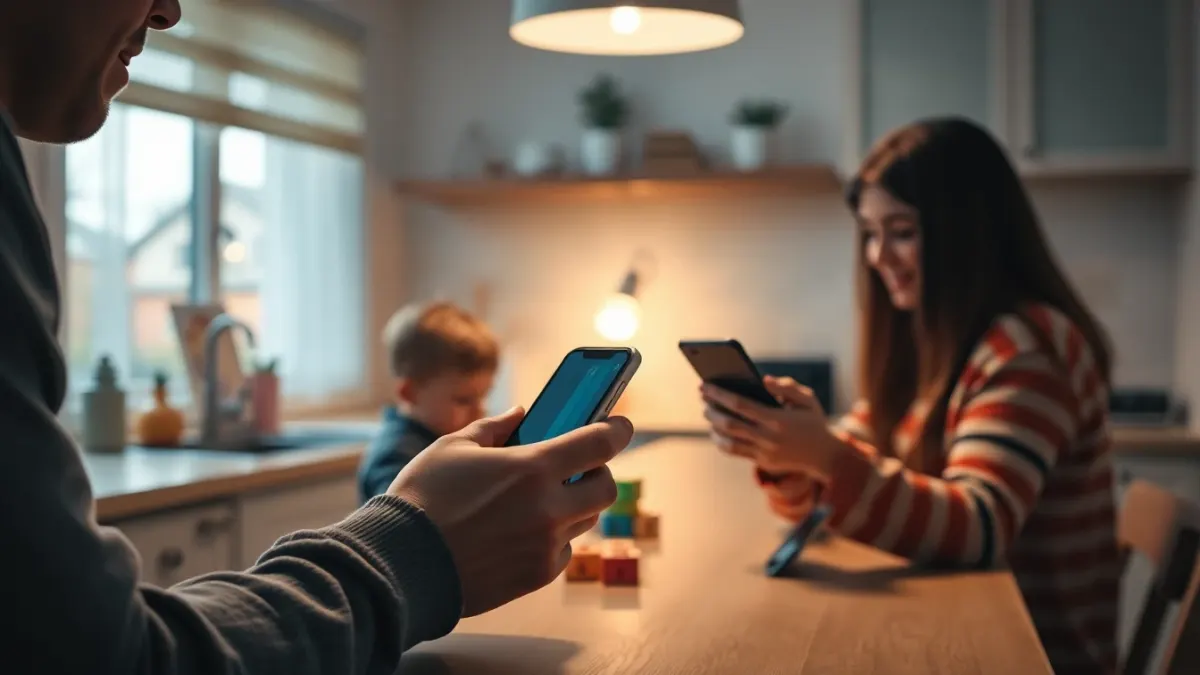
Between school runs, laundry and the night-time wake-ups, "find an hour to study" is a joke. Yet many parents want to learn a language, for their career, their family or themselves. Language learning for busy parents works when you stop searching for big blocks and start collecting small ones.
Accept the new reality
Your time isn't gone; it's fragmented. You might have four minutes while the pasta cooks, ten while the baby naps, and twenty after bedtime if you aren't exhausted. A plan built around fragments is realistic. A plan that requires uninterrupted focus is not.
Make sessions tiny and self-contained
Choose activities that can be started and stopped in a minute or two:
- One lesson step or a short game round.
- A handful of saved-word cards.
- One short video clip.
- A single paragraph of an easy story.
LingFit's content is naturally split into short pieces (lessons within chapters, short games, short clips), so there's always something that fits. You can see the app at lingfit.app.
Create anchor moments
Link study to events that already happen daily:
- Morning coffee, before the kids wake.
- The waiting time at school pick-up.
- Feeding or bedtime routine, using audio only.
- After the kids are in bed, a ten-minute session before collapsing.
Anchors beat "when I find time", which is never.
Involve the kids (when it helps)
Children can be allies. Say words aloud together, or label household objects with the foreign words. For small kids, this is a game; for older ones, it's a shared challenge. If your child is learning a language at school, you can learn alongside and compare. Don't force it; keep it light.
Lower the bar on bad days
Some days you'll do nothing. That's normal. Define a floor, such as one lesson or five minutes, and treat it as a victory on the hardest days. The rule of thumb is not to miss twice in a row, but if you do, start again small with no apology.
Use dead time for listening
Hands busy but ears free? Short clips or audio can accompany chores, walks with the stroller or washing up. Real spoken language makes it into your head even when you can't look at a screen. Combine with a quick tap on a word when you can.
Set family-sized goals
Instead of "become fluent", try "order dinner in the local language on our trip" or "have a short chat with grandma". Concrete, near goals make your effort visible and give a reason to keep going. A custom pack on a family-specific topic can help, for example "at the playground" or "family dinner talk"; LingFit packs hold 1 to 20 vocabulary items, which is perfect for a themed micro-lesson.
Protect your energy
Don't study when you urgently need sleep. Rest supports memory. If you're exhausted, a light activity such as a story or a video is better than a demanding grammar exercise.
Share the load
If you have a partner, trade protected time: you take the kids for twenty minutes while they study, then swap. A small, regular arrangement beats an occasional long one.
Expect messy weeks
Some weeks will fall apart completely: illnesses, school holidays, no sleep. Plan for that by keeping your minimum almost laughably small and by having one go-to activity, like a few vocabulary cards. When life settles, you can add a lesson again. Parents who treat language learning as a long, flexible project, rather than a strict schedule, tend to keep going, and that persistence is what eventually brings results.
FAQ
How can I learn a language with no time?
Use micro-sessions of a few minutes, tied to daily anchors, and pick activities that work in short bursts.
Is 5 minutes a day worth it?
Yes. Short, frequent contact keeps memory active and builds a habit, which you can extend later.
How can I involve my children in my language learning?
Label objects, learn a few words together and treat it as play. Keep it relaxed so it stays fun.
What if I'm too tired in the evening?
Choose an easy, enjoyable activity like a story or video, or shift your session to a different time such as the morning.