Practise Pronunciation With Speech Recognition at Home
Practise pronunciation with speech recognition: a step-by-step routine for sounds, words and sentences, plus tips to get useful feedback from your phone.
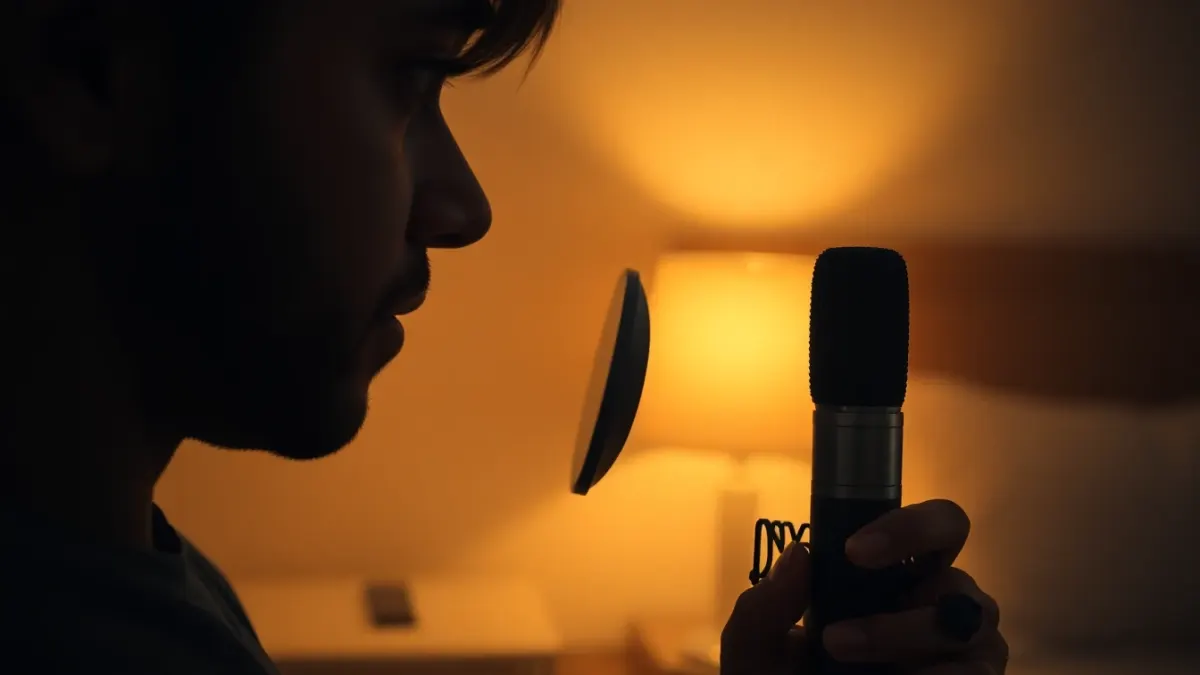
Many learners know hundreds of words and still avoid speaking, because they have never heard themselves sound right. The good news is that you can practise pronunciation with speech recognition at home, with no tutor and no audience. It will not replace conversation, but it gives you quick, private feedback to build confidence.
What speech recognition can and can't do
When you say a word or sentence, the software tries to recognise what you said. If it understands you, a listener probably would too; if it consistently hears the wrong word, something in your pronunciation needs attention. It can't judge every nuance of accent or intonation the way a teacher can, but it's a useful reality check, and it never gets tired or judgmental.
LingFit includes speech recognition: you say the sentence aloud and get instant feedback on your speech in the language you're learning. See the app at lingfit.app.
Step 1: Listen before you speak
You can't reproduce a sound you haven't noticed. Play the audio of the word or sentence two or three times and listen for rhythm, stress and the tricky sounds. Compare to your own language: which sounds are missing there?
Step 2: Start with single words
Say the word slowly, then at normal speed. Check the feedback. If the app misunderstands, listen to the audio again and focus on one difference at a time: vowel length, a rolled r, a softer ending.
Step 3: Move to short sentences
Words change inside sentences. Speakers link sounds, drop syllables and stress certain words. Practise sentences of four to eight words and try to copy the melody, not just the individual sounds.
Step 4: Shadow the audio
Shadowing means speaking along with a recording, slightly behind it, like an echo. Play a sentence and imitate it immediately. Do it three or four times. It's a powerful way to absorb rhythm and speed. Short video clips are great shadowing material, since you can replay a line and mimic the speaker.
Step 5: Record yourself
Use your phone to record the same sentence before and after a week of practice. Hearing the difference is motivating and helps you notice habits you can't hear while speaking.
Make it a routine
- Two minutes at the end of each lesson: say the key sentences aloud.
- One "mirror minute" per day: describe what you see out loud.
- Once a week: re-record and compare.
Common pronunciation traps
- Silent-letter surprises. Don't assume spelling equals sound; check the audio.
- Imposing your own vowels. Your first language's sounds creep in; notice them.
- Flat intonation. Questions and statements often have different melodies.
- Speaking too fast. Clear and slower beats fast and mumbled.
Single letters and tiny words
Short words are often pronounced differently in a sentence than alone. Always practise them inside a phrase rather than as a lone sound.
Be kind to yourself
Pronunciation improves gradually. Aim for being easily understood, not for sounding like a native. Accents are normal, and clear communication is the goal.
Pick your battles
Not every sound deserves equal effort. Listen to which mistakes make you hard to understand and fix those first, such as vowels that change meaning or stress that falls on the wrong syllable. Leave the subtle accent features for later. Choose one sound per week, find ten words that contain it, and say them aloud daily. Focused practice like this produces noticeable improvement far faster than trying to perfect everything at once.
FAQ
Can an app really help with pronunciation?
It can give quick feedback on whether you are understood and encourages you to speak out loud, which many learners avoid. Pair it with listening and, when possible, real conversations.
How long does it take to improve pronunciation?
Noticeable gains often come within weeks of regular, focused practice, but it depends on your native language and the target language.
What is shadowing?
It's repeating speech along with a recording, just behind the speaker, to copy rhythm and intonation.
Should I worry about my accent?
Not much. Being clear matters more than sounding native.