After-Work Meditation: A Routine to Switch Off the Workday
Can't switch off after work? Try this after-work meditation routine to create a clean boundary between job mode and home, in as little as five minutes.
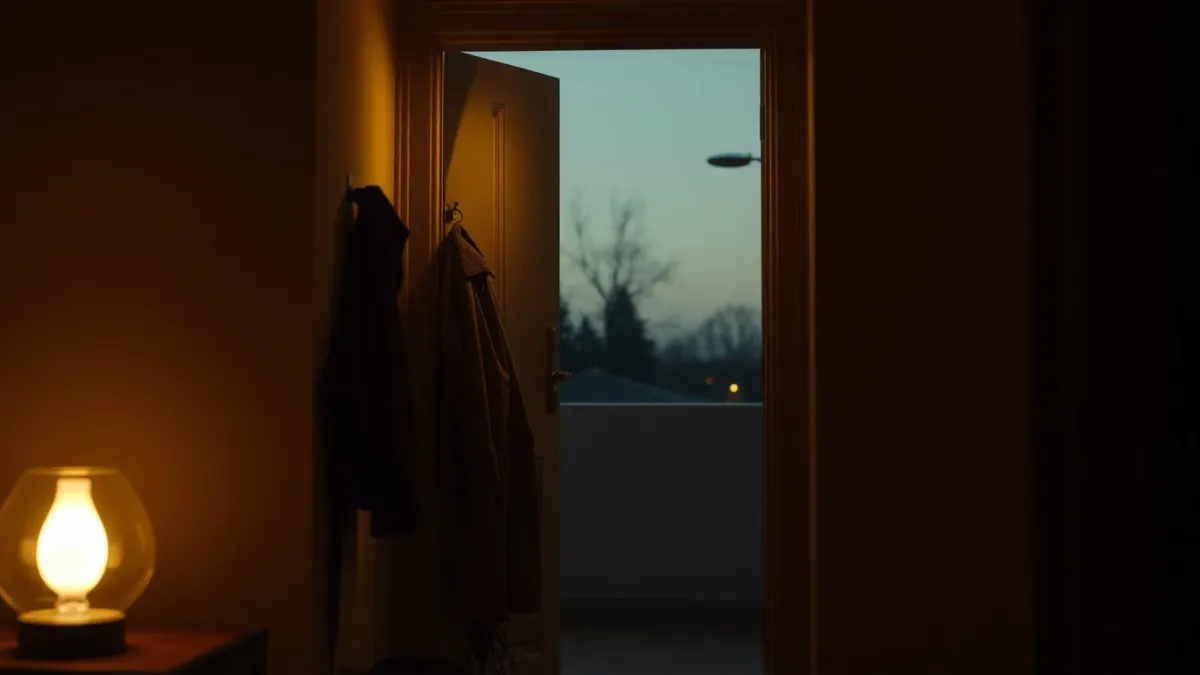
After-work meditation is a short ritual that helps you cross the line between the workday and the rest of your evening. Many people physically leave the office but mentally stay there for hours, replaying meetings and drafting emails in their heads. A five-minute practice can give your mind a clear signal: this part of the day is done.
Why we struggle to switch off
Work does not end the moment the laptop closes. Unfinished tasks keep nagging, and notifications blur the boundary. Without a transition, the stress simply rides home with you. Commutes used to provide a buffer; with remote work, the buffer is often a ten-second walk from desk to sofa. A ritual recreates the buffer on purpose.
The five-minute shutdown routine
- Close the loop (1 minute). Write down tomorrow's top three tasks and any open worries on a sticky note. Put it where you'll see it in the morning. This tells your brain it doesn't have to hold everything.
- Change something physical (30 seconds). Close the laptop, change your shirt, wash your hands or step outside. A tiny physical change reinforces the boundary.
- Sit and breathe (30 seconds). Take three breaths, longer on the way out.
- Meditate (3 minutes). Choose a guided session or follow your breath.
- Set an evening intention (30 seconds). "For the next hour I'm just eating dinner" or "I'll call my sister".
Let the meditation address the day
A generic relaxation track works, but a session about what you've actually been through can feel more relevant. MindIsland lets you write a few words, such as "can't switch off after work" or "too much on my plate", and then generates a meditation around that. Pick three, five or ten minutes and a calm voice. Your history keeps past meditations with ratings and favorites, so you can replay one you liked.
Where to do it
- On the sofa, right after you arrive.
- In the car before you walk in the front door.
- On a bench near your building.
- At the desk, after your shutdown note.
Choose one fixed spot. Familiar places become strong cues.
Pair it with movement
If you feel wired, a short walk before sitting can help release energy. Even five minutes around the block, with no phone and no podcasts, works as a decompression step. Then do three minutes of meditation at home.
Handle the sticky thoughts
If work thoughts keep coming back, try this: acknowledge them ("planning tomorrow"), tell yourself "that's for 9 a.m.", and return to the breath. If you're replaying a conversation, notice how it feels in the body, then come back to your anchor. Repeating the same loop doesn't solve it, but writing a note about it might.
Protect the boundary
- Turn off work notifications after a set time.
- Keep work devices out of the bedroom.
- Use a calendar reminder for your shutdown ritual.
- Tell colleagues, or your household, that you're offline.
Small boundaries add up and make the meditation more effective.
On the hard days
When the day was awful, five minutes won't erase it, and that's okay. Aim for a pause, not a fix. If work stress is persistent, overwhelming or affecting your health, speak to someone you trust or a professional; MindIsland is a daily wellbeing practice, not therapy.
Make it a habit
Link it to something that already happens: shutting down the laptop, turning the key, taking off your shoes. Track it in the app; MindIsland keeps your streak and a history of your meditations with ratings and favorites, so you can see which evening sessions helped most.
If you work from home
When the office is your living room, the boundary has to be built deliberately. Pick an end-of-day sound, such as a particular song, and play it as you close the laptop. Put the laptop in a drawer or bag. Step outside for two minutes, even just to the doorstep, then come back in as if you had arrived home. These small theatrical gestures sound silly but give your brain a clear signal that the workday has ended, and the meditation that follows lands more easily.
FAQ
How long should an after-work meditation be?
Five minutes is a good start. Three works on rushed evenings, and ten when you want to fully decompress.
Is it better to meditate before or after dinner?
Either works. Many people prefer before dinner as a transition, avoiding sleepiness after eating.
What if I'm too tired?
Keep it to three minutes, sit upright by a window or try a short walk first.
Can I use the same meditation every day?
You can, but variety helps. MindIsland generates a fresh meditation each day, and you can describe what's on your mind to change the focus.