Meditation at Work: A Discreet Desk Break That Helps
Try meditation at work with a discreet three-minute desk break. Steps, timing ideas and etiquette for open offices, remote days and tense afternoons.
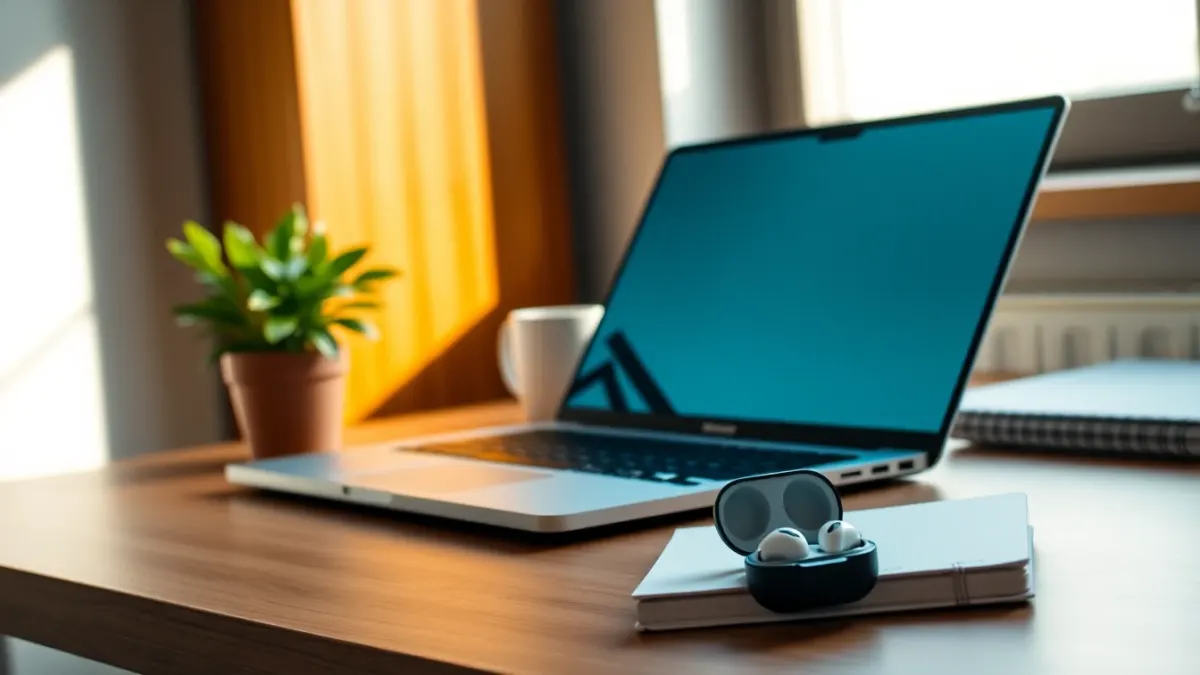
Meditation at work does not need a quiet room, a cushion or a boss's blessing. A three-minute desk break, done with headphones and a soft gaze, can help you reset between tasks and return with a clearer head. It is not a productivity hack so much as a pause, which is something most workdays lack.
Why short breaks beat pushing through
Staying locked on one task for hours feels productive, but attention tends to fray. Short, deliberate pauses give your mind a chance to settle before the next demand. Meditation is a structured way of pausing: instead of switching to another screen, you intentionally rest your attention.
Pick your moments
Good times to slot in a break:
- Before starting work. A short session sets an intention for the day.
- Between meetings. Even sixty seconds of slow breathing helps shake off the last conversation.
- After lunch. Counteracts the afternoon slump without more caffeine.
- Before a hard conversation or presentation. Steadies your nerves.
- At the end of the workday. Marks a boundary between work and the rest of your evening, especially if you work from home.
A discreet three-minute desk meditation
You do not have to close your eyes if you prefer not to.
- Sit upright, feet flat on the floor, hands in your lap.
- Put on headphones, or use the quiet few minutes before a meeting.
- Soften your gaze toward the desk, or close your eyes if that feels okay.
- Take a slow breath in for about four seconds and out for about six. Repeat.
- Notice any tension in the shoulders and jaw. Let them drop a little.
- When thoughts about tasks arrive, let them pass and return to the breath.
- After three minutes, take one deeper breath, stretch your fingers and carry on.
Use a guided session
A guide makes this easier, especially when your mind is full of email. MindIsland lets you pick three, five or ten minutes and choose among calm voices, with optional background sound that sits under the voice. Because it can keep your last ten meditations on your device, you can play one even in a basement meeting room with no signal. For work-related stress, you can also write what is on your mind and get a meditation about exactly that, such as a big presentation tomorrow or too much on your plate.
Etiquette and practicalities
- Headphones are your friend. They signal "busy" and keep the session private.
- Choose the right place. A meeting room, a quiet corner, a parked car or a walk around the block all work.
- Keep it low-key. You don't have to announce it or explain it.
- Silence notifications for the duration.
- Respect others. Don't block a shared room that is booked.
Working from home
Remote days can blur everything together. Use meditation as a boundary: a short session at the start to open the workday and another at the end to close it. Standing up and stepping away from the screen is part of the benefit.
What to expect
Don't expect a miracle in three minutes. The realistic aim is a slightly calmer baseline, a pause before reacting and a break from constant switching. If work stress is heavy or persistent, consider talking to your manager, an employee assistance program or a health professional. Meditation is a helpful habit, not a fix for an overloaded job.
Make it a team-friendly habit
If you manage others or have a friendly team, you can normalize pauses without making a fuss. Schedule meetings to end five minutes early so people can breathe between calls, or suggest a short quiet minute at the start of a long session. You do not have to call it meditation; "a minute to reset" works just as well. Small cultural shifts like this tend to spread when someone does them calmly and consistently. If your workplace is not receptive, your headphones and a soft gaze remain a private option nobody needs to approve.
FAQ
Can I meditate at my desk?
Yes. Sit upright, soften your gaze or close your eyes, and focus on slow breathing for a few minutes. Headphones help in open offices.
How long should a work meditation break be?
Three to five minutes is plenty. Even one minute of slow breathing can help.
What if my coworkers see me?
Most people will assume you are listening to audio or resting your eyes. You can also practice in a quiet room or outdoors.
Does meditation help with work stress?
Many people find short breaks make stress feel more manageable. It does not remove the sources of stress, so it works best alongside other changes.