Digital Wellbeing: Using Meditation to Tame Phone Habits
Improve your digital wellbeing with meditation. Learn simple ways to notice phone urges, set screen boundaries and use your phone for calm, not noise.
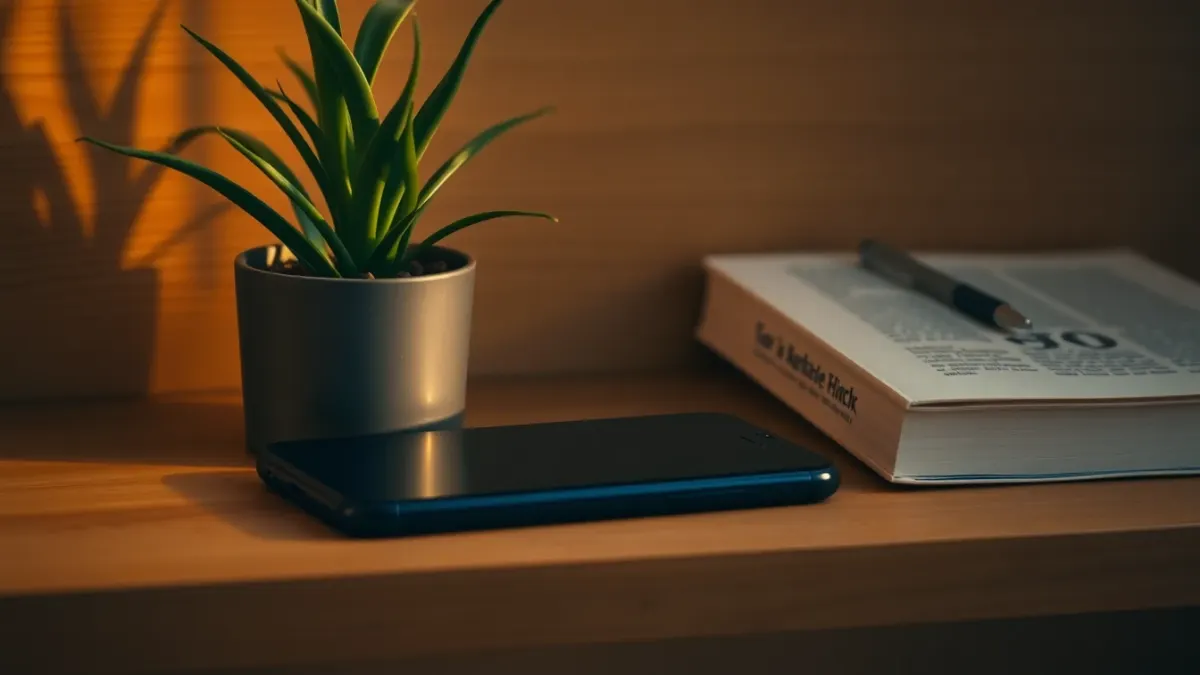
Your phone is both the source of the noise and, potentially, a tool for calm. Digital wellbeing meditation means using small moments of attention to notice how you use your devices, so that scrolling becomes a choice rather than a reflex. It is not about quitting technology; it is about being present enough to steer it.
The reflex you may not notice
Most of us pick up the phone dozens of times a day with no clear reason. A pause in the queue, a flicker of boredom, a slightly uncomfortable feeling, and our thumb is already moving. Meditation trains exactly the skill that interrupts this loop: noticing an urge before acting on it.
You do not need to be an expert. Just spotting the moment of reaching is the first win.
Try the three-breath pause
Before unlocking your phone, take three slow breaths. Ask: "What am I looking for?" If there is a real answer (a message, a map, a number), go ahead. If not, notice what you might be avoiding: tiredness, boredom, awkwardness. You do not have to fix it. Just see it.
Build screen boundaries that actually stick
- Charge the phone outside the bedroom or at least across the room, so the first and last minutes of your day are your own.
- Turn off non-essential notifications. Keep calls and the messages you truly need.
- Try a no-phone first ten minutes after waking. Use that time to stretch, drink water or meditate.
- Move distracting apps off the home screen.
- Use your phone's built-in screen-time or focus settings to set gentle limits.
None of these require willpower in the moment, which is why they work better than good intentions.
Use the phone for good
The irony of meditation apps is that they live on the device you want to put down. The trick is to open the app and nothing else. MindIsland is designed around this: one fresh meditation each morning, three, five or ten minutes, then you are done. There is no endless feed to scroll. Because it can also keep your last ten meditations on your device, you can play one offline and leave notifications and the rest of the internet behind.
A mindful-scroll experiment
For one day, try noticing how you feel after each scrolling session. Calm? Drained? Inspired? Anxious? Jot a word in your notes. After a few entries you will see patterns without needing a lecture from anyone. Then decide what to keep.
Sit with boredom
Boredom is the gap that phones fill. Try leaving a few small gaps unfilled each day: waiting for the kettle, standing in line, walking to a meeting. Breathe, look around, let your mind wander. This is a free, informal meditation, and it rebuilds your tolerance for empty moments.
Replace, don't just remove
Banning a habit leaves a hole. Decide what goes there instead:
- A short meditation.
- A page of a book.
- A few stretches.
- A walk around the block.
- A call to a friend.
Be kind to yourself
You will slip. Everyone does. Notice, smile and carry on. Shame tends to send people straight back to the screen for comfort.
A note on wellbeing
If heavy phone use is tied to loneliness, anxiety or low mood that you find hard to manage, consider talking to a professional. Meditation can support healthier habits, but it is not a treatment.
Give yourself a phone-free window
Try one phone-free window each day, even just twenty minutes. Put the device in another room, tell anyone who needs you, and do something simple: a walk, a cup of tea, a few pages of a book, or a meditation you started beforehand with the screen locked. Notice what your hands and mind want to do in the first few minutes. That itch is the reflex made visible. After a few days, the gap usually feels less strange, and you may start to look forward to it.
FAQ
Can meditation reduce phone addiction?
Meditation can strengthen your ability to notice urges and pause before acting. It is a helpful skill, but it is not a treatment for addiction, and professional help is available if you feel out of control.
Is it ironic to use a meditation app to cut screen time?
It can feel that way, but a short, focused session is very different from open-ended scrolling. Open the app, do your session, and close it.
How do I stop checking my phone first thing in the morning?
Charge it across the room, use a normal alarm clock if you can, and plan a short alternative such as a few minutes of meditation or stretching.
What are quick mindfulness exercises for phone urges?
Try three slow breaths before unlocking, notice your feet on the floor, and ask what you actually want from the device.