Body Scan Meditation Explained: How It Works Step by Step
Body scan meditation explained: what it is, how to do it in a few minutes, what to do when you feel nothing, and who might prefer another style.
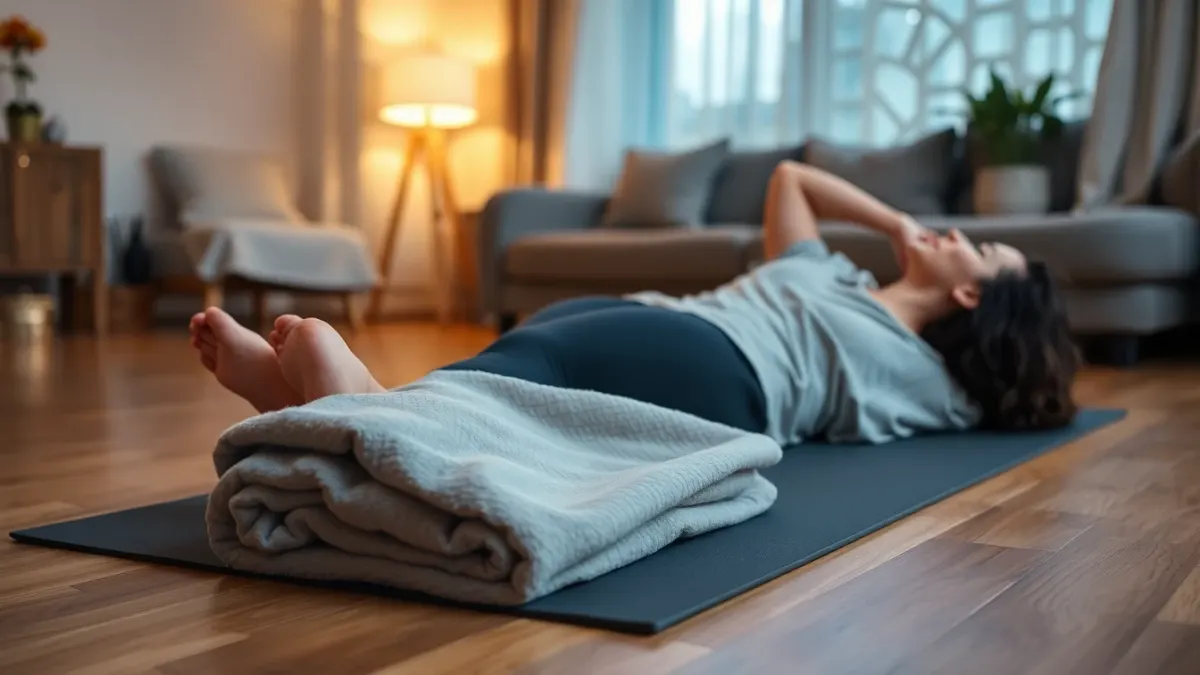
A body scan meditation is a practice where you move your attention slowly through the body, usually from the feet to the head, noticing sensations without trying to change them. It is one of the most approachable forms of meditation because the object of attention, your own body, is always with you. If you have tried following your breath and found it too abstract, a body scan meditation may feel more concrete.
What happens in a body scan
You lie down or sit comfortably and close your eyes if that feels fine. Then you direct attention to one area at a time. A typical path runs through the toes, feet, calves, knees, thighs, hips, belly, chest, hands, arms, shoulders, neck, face and the top of the head.
At each spot you simply notice. Warmth, coolness, tingling, pressure, tightness, or nothing at all are all valid. The aim is not to relax on command, though relaxation may happen. The aim is to observe.
Step-by-step: a three-minute version
- Settle. Lie down or sit. Let your hands rest wherever they are comfortable.
- Take two slow breaths. Longer out than in is a pleasant way to begin.
- Start at the feet. Notice what is there for a few breaths.
- Move upward in big steps: legs, hips and belly, chest and back, hands and arms, shoulders, neck and face.
- Widen the focus. Finish by sensing the whole body at once for a moment.
- Open your eyes slowly.
Short sessions mean skipping detail. Longer sessions allow you to linger in each region.
What to do when you feel nothing
This is the most common worry, and it is normal. Some areas are quiet to our awareness. Instead of forcing a sensation, notice that "nothing much here" is itself an observation. Then move on. Sensation tends to grow with practice.
When attention wanders
It will. Thoughts about the day or the next meal show up mid-scan. Gently notice you drifted, then return to the spot where you left off. That return is not a failure; it is the exercise.
Who may like it
- People who find breath focus slippery.
- Anyone who carries tension in the shoulders or jaw and wants to notice it sooner.
- Evening practisers who want a slow wind-down.
Who might prefer something else
Some people find that focusing on the body does not feel comfortable, for example if they have pain or difficult associations with body awareness. Choose an anchor that feels neutral, such as sounds, or stop if it feels unpleasant. This is wellbeing practice, not treatment, and a health professional can advise on personal concerns.
Body scan vs other styles
A body scan is about noticing sensations in sequence. Breath focus is about staying with one rhythm. Loving-kindness is about directing goodwill. Each trains attention a bit differently, and a varied routine can keep things fresh. If you enjoy the idea of a body-based session that matches your day, MindIsland lets you tell it what is on your mind and generates a fresh meditation each morning, in three, five or ten minutes.
Tips for a smoother session
- Try it lying down in the evening and seated in the morning to compare.
- Use a calm narrator if self-guiding feels difficult.
- Keep clothes loose and the room comfortably warm.
- Do not rate the session. A restless scan still counts.
Making it fit your day
A body scan does not have to be long to be useful. Try a one-minute version at your desk: feel your feet, then your seat, then your hands, then your jaw and shoulders. On evenings with more time, slow it down and linger. Pair it with a regular cue such as brushing your teeth, and treat it as a way of checking in rather than a task to complete. Many people find that this quick check helps them notice tension earlier in the day, before it builds into a stiff neck or a clenched jaw.
FAQ
How long should a body scan meditation be?
Anywhere from three minutes to forty-five. Beginners often start short, and longer scans can follow once the technique feels natural.
Is a body scan meditation good for sleep?
Many people use slow body-focused sessions to wind down in the evening. It is not a medical treatment for sleep problems, so speak to a professional if sleep is a persistent issue.
Should I try to relax during a body scan?
You do not have to. The goal is to observe what is there. Relaxation can be a side effect, not a requirement.
Can I do a body scan sitting up?
Yes. Lying down is common, but sitting works well, especially in the morning when you want to stay alert.