Gratitude Meditation Explained: How to Practise It
Gratitude meditation explained: what it is, how it differs from a thank-you list, and a simple five-minute practice to try tonight or tomorrow morning.
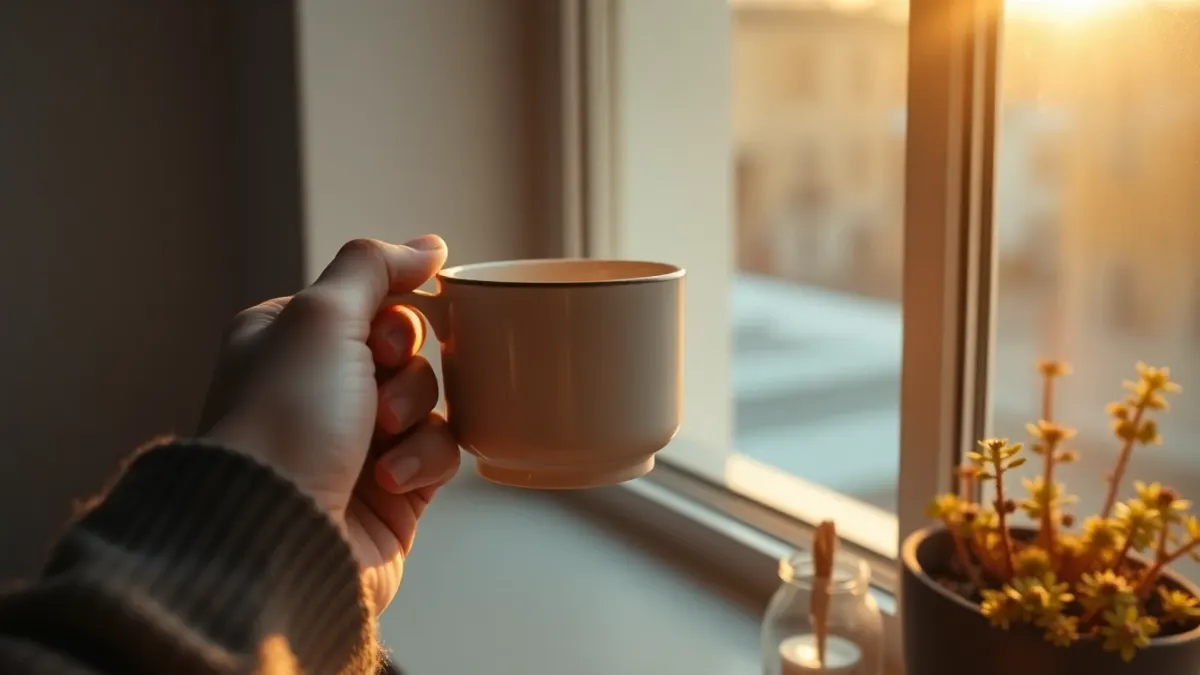
Gratitude meditation is a practice where you deliberately bring to mind things you appreciate and spend a few minutes feeling them, not just listing them. It sits somewhere between meditation and reflection: part attention training, part gentle shift of perspective. If a standard breath-focus session feels dry, gratitude meditation may offer a warmer way in.
What it is, and what it is not
In a gratitude meditation, you rest attention on something you appreciate: a person, a moment, a comfort. You notice how it feels in your body, perhaps warmth in the chest or a softening around the eyes, and stay with that for a while.
It is not:
- Forced positivity. You are not asked to deny hard things.
- A checklist. Writing ten items quickly is different from feeling one deeply.
- A guarantee of happiness. It is a practice, with varied results.
How it differs from a gratitude list
A list is a thinking task. You scan your day and name items. A gratitude meditation slows down. You choose one thing, imagine it vividly and let yourself feel it. The skill involved is the same attention training as other meditations, now pointed at appreciation.
A five-minute gratitude practice
- Arrive (30 seconds). Sit comfortably, take two slow breaths.
- Choose one thing (30 seconds). Something small works best: a friend who answered a message, warm water, a quiet morning.
- Picture it (1 minute). Recall details: faces, sounds, textures.
- Feel it (2 minutes). Notice where appreciation shows up in the body. If nothing shows up, that is fine; stay with the memory.
- Widen (1 minute). Let one more thing join, then let the sense of thanks spread softly.
- Close (30 seconds). Take a breath and carry the feeling lightly into your day.
Tips for when it feels flat
- Go smaller. Grand things are harder to feel than modest ones.
- Go specific. "My neighbour held the door" has more texture than "people are kind".
- Include the ordinary. Running water, a comfortable chair, a working phone.
- Allow neutral. Not every session sparks warmth. Noticing neutrality is still attention.
When gratitude is hard
On difficult days, forcing thankfulness can feel false. In those moments, try gentler wording: "something that was slightly easier today". Gratitude meditation should not be used to push away grief or stress. If your mood is persistently low, reach out to a professional; this is a wellbeing exercise, not a treatment.
Morning or evening?
Morning gratitude sets a tone for the day; evening gratitude closes it. Both are valid, and you can alternate. A common pattern is a short morning session with one item and a slightly longer evening review.
Where MindIsland fits
MindIsland generates a fresh meditation every morning, and you can tell it what is on your mind. If what is on your mind is simply that you want to feel more thankful, you can write that and get a session about it. Its public library also includes a Gratitude category among eight hand-made categories. You choose three, five or ten minutes and one of several calm voices.
Combining with journaling
Some people like to jot one line after the meditation: "Today I felt grateful for..." The writing consolidates the experience. Keep it brief to avoid turning it into homework.
Cautions about expectations
Scientists study gratitude practices in many settings, and findings vary in strength and context. Avoid claims that a particular number of minutes will raise your happiness by a specific amount. Treat gratitude meditation as a pleasant, low-risk habit and notice for yourself whether it suits you.
Making it a habit
Attach gratitude to a cue you already have, such as pouring coffee or turning off the bedside lamp. Keep it tiny: one item, thirty seconds, one breath to feel it. On days you have more time, expand to a full five-minute practice. Rotate the object of gratitude so it does not become a recitation of the same three things. Over time you may notice yourself spotting small good moments during the day, a side effect of training attention toward them. That is a gentle, believable benefit and does not require you to feel cheerful on command.
FAQ
What is the difference between gratitude meditation and gratitude journaling?
Meditation involves feeling and attending to appreciation in the moment; journaling involves writing it down. Many people do both.
How long should a gratitude meditation be?
Three to ten minutes is common. MindIsland offers three, five and ten.
What if I do not feel grateful?
That is fine. Start with something small and neutral, and allow whatever comes. Forcing the feeling defeats the purpose.
Is gratitude meditation suitable for beginners?
Yes. It has a clear object of attention and a friendly tone, which many beginners enjoy.