Eyes Open or Closed? How to Meditate Your Way
Should you meditate with your eyes open or closed? Compare both, see who benefits from each, and learn a soft-gaze option for sleepy or anxious moments.
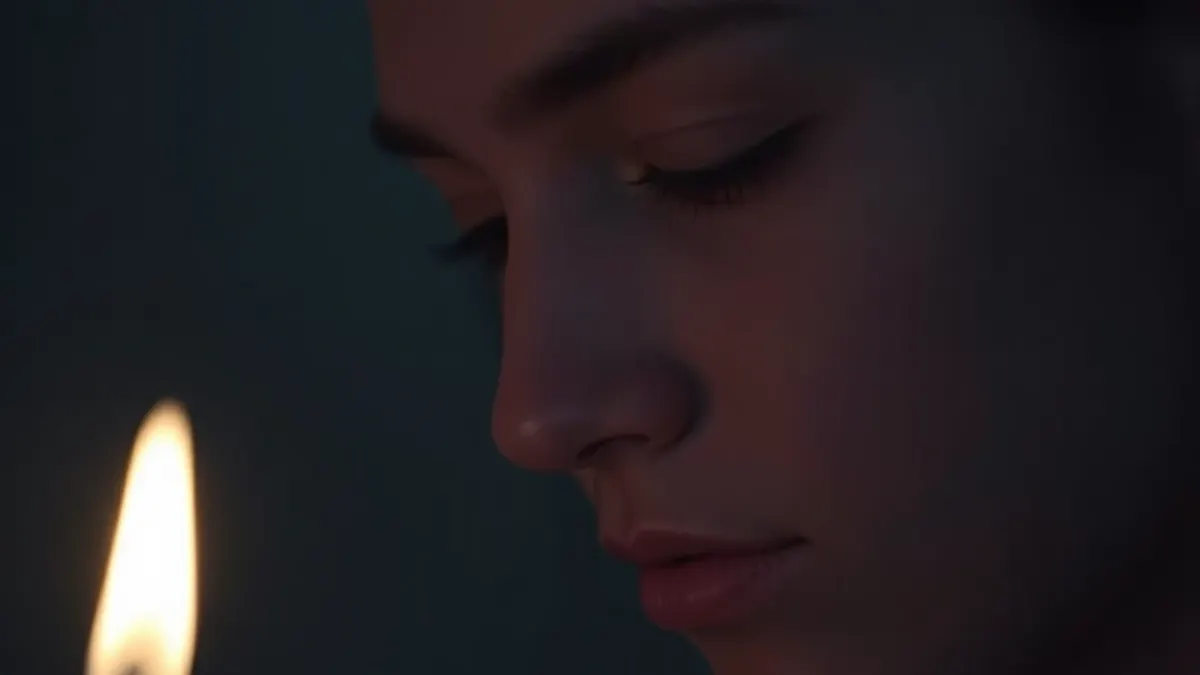
Meditate with your eyes open or closed? Either works. Closed eyes cut out visual distraction and suit many people; a soft, open gaze keeps you alert and can feel safer if closing your eyes makes you uneasy. Neither is the "real" way, and you can switch depending on the day.
The case for closed eyes
Closing your eyes removes a huge amount of input. That makes it easier to turn attention inward, to feel the breath, and to notice sensations in the body. It also signals to your brain that this is a different moment from the rest of your day.
Good for:
- Settling into a short session quickly.
- Relaxation and body-scan style practices.
- Noisy or visually busy environments.
Watch out for:
- Sleepiness. Closed eyes plus a comfortable seat is a recipe for dozing.
- Feeling exposed or restless. For some, especially when anxious, darkness can make thoughts feel louder.
- Imagination getting carried away. You may start daydreaming vividly.
The case for open eyes
Many traditions practice with eyes open and a lowered, unfocused gaze. You rest your eyes on a spot a metre or two ahead of you, without trying to look at it.
Good for:
- Staying alert and avoiding drowsiness.
- People who feel uneasy with their eyes shut.
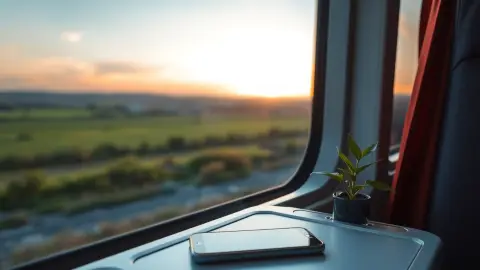
- Meditating in public spaces, on a train or at a desk.
- Practicing awareness in everyday life.
Watch out for:
- Visual distractions like movement, patterns or a messy room.
- Eye strain if you stare. Keep the gaze soft and blink normally.
A middle path: half-closed eyes
Let your eyelids drop until you see only a blur of light. You get some of the quiet of closed eyes and some of the wakefulness of open ones. Many people end up here naturally.
How to choose
- Check your energy. Tired? Keep eyes open. Wired? Closed may help you settle.
- Check your feelings. If darkness feels uncomfortable, open your eyes.
- Check the place. On public transport or at a desk, a soft gaze is more practical.
- Check the goal. For sleep, closing your eyes is natural. For focus, open may be better.
Eyes and guided meditations
With a guided session, your eyes matter a bit less because the voice anchors your attention. In MindIsland you press start, follow the voice, and can choose gentle background sound if you like. Try the same session twice, once each way, and see which suits you. Most guides will invite you to close your eyes, but "if you prefer, keep them open" is always an acceptable adjustment.
Handling intense sensations
If you close your eyes and feel anxious, restless or emotional in a way you don't like, simply open them and look around the room. Name a few objects you can see. This grounding step is always available. If difficult feelings come up often, consider speaking to a mental-health professional; meditation is a wellbeing practice, not therapy.
Practical tips
- Dim light is often more comfortable than total darkness or bright glare.
- Sit with a wall or neutral space in front of you for open-eye sessions.
- If your eyes feel dry or tired, close them for a few breaths.
- Don't fuss. If you spend the entire session debating eye position, choose one and stick with it for a week.
Experiment for a week
To settle the question for yourself, try this: on days one to three, meditate with eyes closed; on days four to six, keep a soft gaze; on day seven, choose whichever you liked. Write one line after each session about how alert and how calm you felt. You will probably find a clear preference, or discover that it depends on the time of day. Some people use closed eyes in the evening and open eyes in the morning. There is no need to commit forever, and changing your mind later is part of learning your own practice.
FAQ
Is it better to meditate with eyes open or closed?
Neither is better in general. Closed eyes help inward focus; open eyes help alertness. Pick based on your energy and comfort.
Why do I feel uncomfortable with my eyes closed?
Some people feel exposed or anxious in the dark. Try a soft, lowered gaze with eyes open or half-closed.
Where should I look with my eyes open?
Rest them softly on a spot on the floor or wall a short distance in front of you, without staring.
Can I meditate with my eyes open in public?
Yes. A soft gaze is a discreet way to practice on trains, benches or in waiting rooms.