Nervous Before a Flight? A Calming Meditation Routine
Nervous before a flight? Use this practical meditation routine for the days before, at the airport and in your seat, with gentle breathing tips.
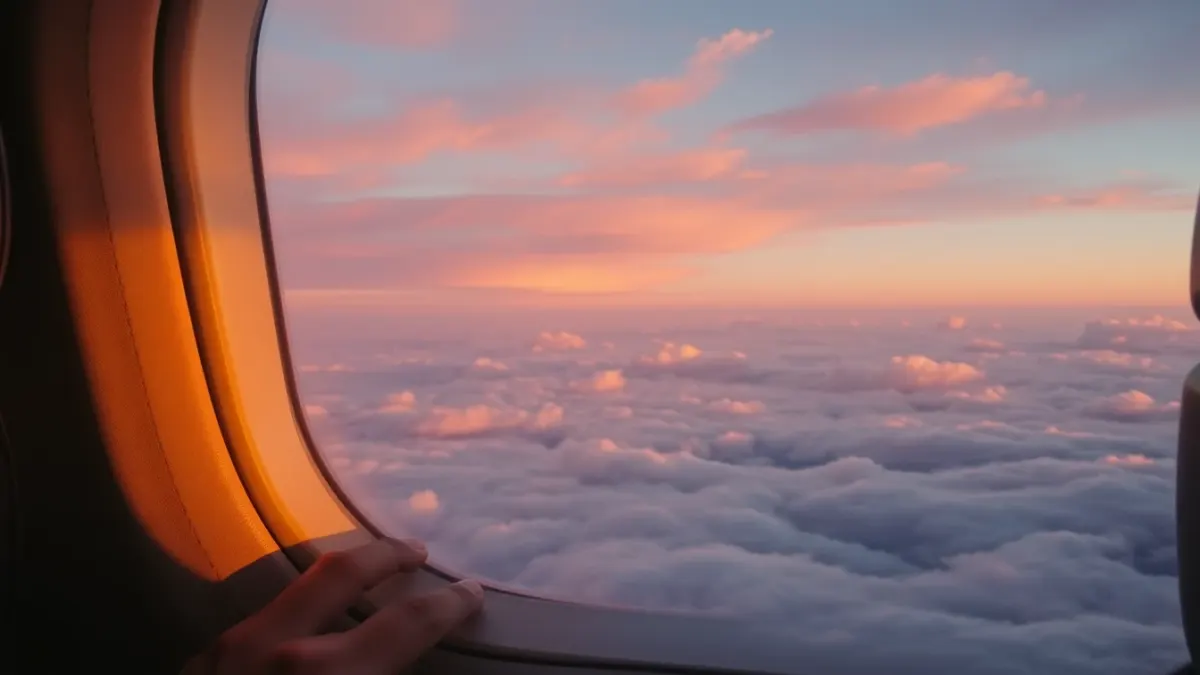
If you're nervous before a flight, a short meditation routine can give you something concrete to do with that energy. It won't guarantee a worry-free journey, but practising slow breathing and attention in the days before, at the airport and in your seat can help you feel more in control. Here is a step-by-step plan.
Understand what nerves are doing
Pre-flight anxiety often feeds on anticipation: what if, what if, what if. The body responds with a fast heartbeat, tight chest, restless legs. These sensations are uncomfortable but not dangerous by themselves. Meditation offers a way to notice them without feeding them more stories.
Days before: build the skill
Do a three- to five-minute session daily for the week before you fly, so the techniques feel familiar when you need them. With MindIsland you can type something like "nervous before a flight" and get a meditation focused on that. Choose three, five or ten minutes and a calm voice, and note which sessions you rate highly in your history so you know what to replay.
Practise a simple breathing pattern too: in for four, out for six, for two minutes. Having a pattern you already know is far easier in the moment than learning it mid-turbulence.
The night before
- Pack early to avoid a last-minute rush.
- Do a gentle wind-down session before bed.
- Limit caffeine and late-night screen time where you can.
- Download or open your meditations while you still have a connection. MindIsland keeps your last ten meditations on your device for offline use, which matters in the air.
At the airport
- Arrive with a buffer so you aren't rushing.
- Find a quiet corner near the gate.
- Put in headphones and do a three-minute session.
- Set an alarm so you don't miss boarding.
- Walk a little, drink water and keep snacks simple.
If your mind starts predicting disasters, label it "worrying" and go back to the breath or to the sensation of your feet on the floor.
In your seat
Before takeoff: Feel the seat supporting you. Slow your exhale. Rest your hands on your thighs. If you want, listen to a short guided meditation.
During turbulence: Don't fight the sensation. Feel your back against the seat, lengthen the exhale, and soften your hands and jaw. Remind yourself: "This is bumpy and uncomfortable, and I'm breathing."
Mid-flight: Use longer sessions if you like, or try a body scan. Keep volume low so you can hear cabin announcements.
A grounding exercise for peak moments
Try the 5-4-3-2-1 technique: name five things you see, four you feel, three you hear, two you smell and one you taste. It pulls attention into the present, away from imagined futures.
What not to do
Don't drink lots of alcohol to calm down; it tends to disrupt sleep and rarely helps anxiety. Don't doomscroll flight forums or watch crash documentaries. And don't treat your nerves as a personal failing; many people share them.
If fear is intense
For some people, a fear of flying is strong enough to disrupt travel plans. In that case, consider speaking to a healthcare professional or looking into dedicated programmes for fearful flyers. Meditation is a helpful supplement, not a treatment, and MindIsland is not therapy.
After landing
Take a minute at the gate or in the taxi to breathe and notice that you've done it. Acknowledging that is a nice way to teach your brain that you can cope.
A simple packing list for calm
Put a few small things in your carry-on: headphones, a bottle of water, a snack you like, a light layer and a note on your phone with your breathing pattern and your favourite meditation sessions. Knowing that your calming tools are within reach is itself reassuring. Before you walk through security, take one slow breath and remind yourself that you have a plan. The preparation does half the work, leaving the meditation to handle the rest.
FAQ
Can meditation help with fear of flying?
It can help you manage the physical sensations and the flow of worried thoughts, though it isn't a cure. For severe fear, professional support is advisable.
Can I use a meditation app on a plane?
Yes, if your meditations are available offline. MindIsland keeps your last ten meditations on your device.
What breathing technique is best for turbulence?
A longer exhale, such as four seconds in and six out, is simple and discreet. Box breathing also works if you're comfortable with holds.
Should I meditate before boarding or on the plane?
Both. A session at the gate and a brief breathing practice in your seat are a good combination.