Meditation for Drivers: Staying Calm in Traffic and Road Stress
Traffic, delays and aggressive drivers raise the pulse. Safe, eyes-open mindfulness for drivers and a way to decompress before and after the drive.
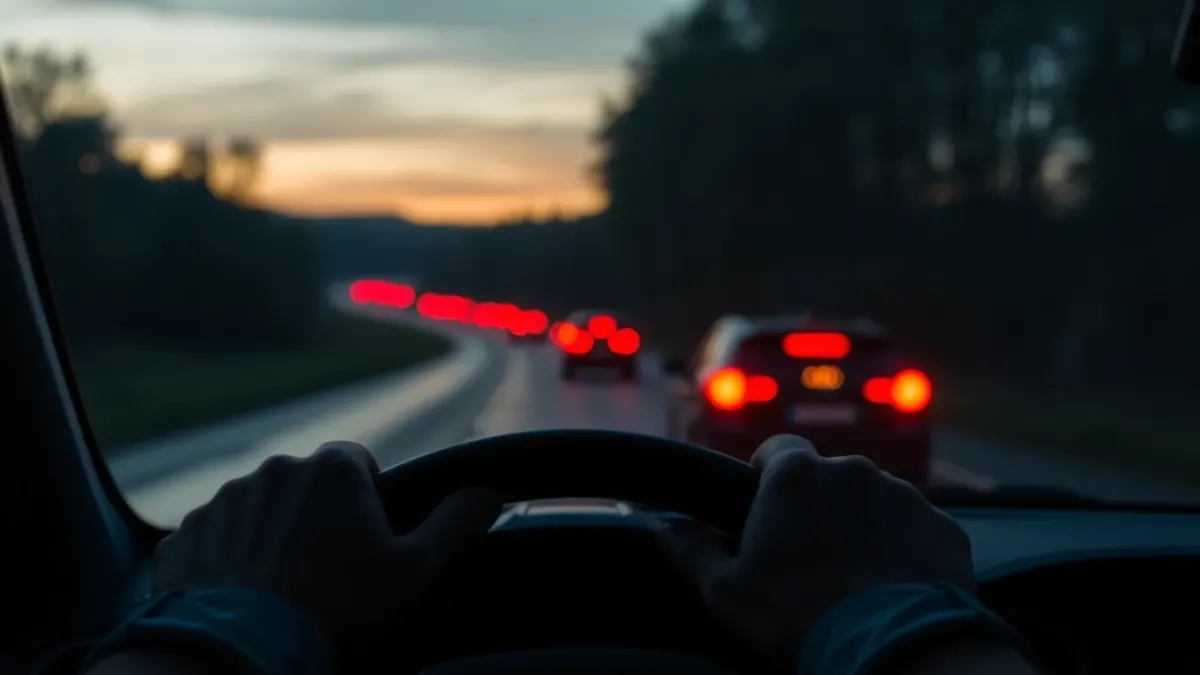
Traffic is a reliable way to get irritated. Someone cuts in, a light changes too early, you are late and nothing moves. Meditation for drivers is not about closing your eyes at the wheel, which would be dangerous and is the opposite of the point. It is about using short, eyes-open habits to arrive calmer, and about decompressing safely before and after the drive.
Safety first
Never do a guided meditation or any eyes-closed practice while the car is moving. Do not use an audio session that demands your attention while you drive. The advice below is either silent and eyes-open, or done while parked with the engine off.
Eyes-open mindfulness while driving
Driving already needs your attention. Mindful driving simply means using it with less friction.
- Feel the contact points. Notice your hands on the wheel and your back against the seat. If your grip is tight, loosen it by a tenth.
- Lower the shoulders. Tension collects there. Let them drop with the next exhale.
- Breathe out a little longer. In for about four counts and out for about six, while looking at the road as usual.
- Widen your view. Soft, wide vision helps you notice everything around you and is calmer than staring at the car in front.
These take no time away from driving and need no equipment.
Reframing the irritating moments
Anger on the road often comes from a story: "That person did it on purpose." You cannot control the other driver, but you can notice your own reaction. A useful routine is the three-word label: when you feel a spike, silently say "annoyed", "late" or "tense". Naming a feeling is a classic mindfulness move, and it creates a tiny gap between the feeling and the next action.
You can also give yourself an easier interpretation, such as "They might be having a rough day". It does not excuse bad driving, but it can cut the heat.
Before you start the engine
A one-minute parked pause makes a big difference, especially when you are running late and wound tight.
- Seatbelt on, engine still off.
- Take five slow breaths.
- Check the mirrors and settle into the seat.
- Set an intention: "Arrive safely, not fast."
If you have a bit longer, a three-minute guided session before you set off works well. MindIsland offers three, five or ten minute meditations in several calm voices, so you can play one in the parked car, then drive in silence or with music you like.
After you park
When you arrive, especially after a hard commute, do not rush straight into the meeting or the house. Park, switch off and spend two or three minutes with a short session or simple breathing. This helps you leave road stress in the car instead of carrying it through the door. If you are home, your family will thank you for it.
The app keeps your last ten meditations on your device, so a session works even in a car park with no signal.
Long drives and rest
On long journeys, plan breaks every couple of hours. At a rest stop, step out, stretch and take a mindful minute: feel the ground, drink some water and look at something distant. If you feel drowsy, rest properly rather than trying to breathe through it. Tiredness behind the wheel is a safety issue, not a mindset one.
Road anxiety
If driving makes you panic or you avoid roads altogether, meditation can be one supportive tool, but it is not therapy. A doctor, a driving instructor with experience in anxious drivers or a therapist can offer more targeted help.
Cost
A parked session costs nothing to try, because the first meditation is free. A subscription later adds a new personalized meditation each day plus the full library, and vouchers can be redeemed on the website.
FAQ
Can I meditate while driving?
No. Do not use eyes-closed or attention-heavy meditations while the car is moving. Use silent, eyes-open habits like relaxed shoulders and longer exhales, and save guided sessions for when you are parked.
How can I stay calm in traffic?
Loosen your grip, drop your shoulders, breathe out slowly and label the feeling silently. Leaving earlier also removes a lot of pressure.
What is a good meditation before driving?
A one to three minute parked session of slow breathing is enough. It helps you set off steadier and less rushed.
How do I stop road rage?
Notice the first spike of anger, name it and breathe out slowly. If you often feel out of control behind the wheel, consider talking to a professional.