Meditation for Teachers: Find Calm Between Bells and Marking
Meditation for teachers fits between lessons, marking and meetings. Simple school-day resets and a wind-down routine for evenings and holidays.
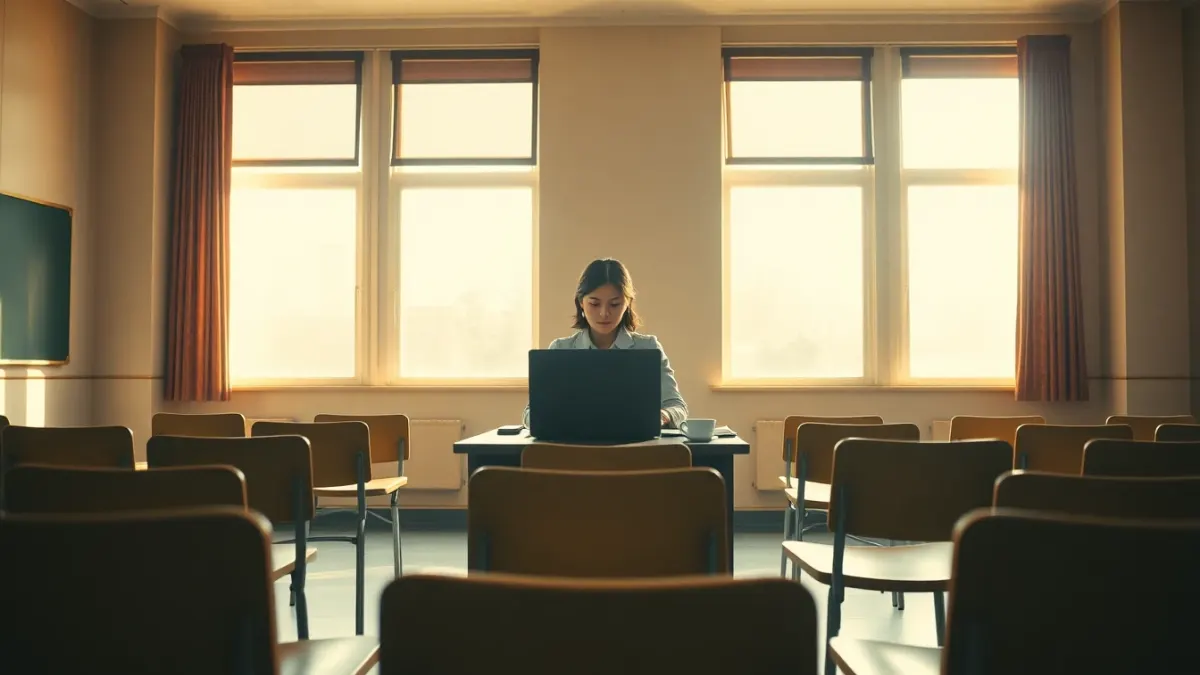
Teaching means being "on" for hours: managing a room, answering thirty questions, reading faces, and then taking the marking home. The nervous system rarely gets a pause. Meditation for teachers works best when it matches the shape of your day, in short pieces rather than long sessions you will not have time for.
The shape of a teacher's day
You get an early start, fixed bells, short breaks, meetings and evening tasks. So think of meditation as five small anchors:
- Before school. Set the tone.
- Before a tough class. Reset your breath.
- At break. A real pause, not an email catch-up.
- After school. Let the day go before you start marking.
- Evening. Wind down so your mind is not rehearsing tomorrow's lessons at midnight.
Before school: five quiet minutes
If you can, arrive a little early or use your commute as a passenger. MindIsland generates a new meditation every morning. Pick three, five or ten minutes and press start. If you are anxious about something specific, like an observation or a difficult parent meeting, type it in and the app writes a session about it.
In the classroom: invisible resets
You can do these while students work:
- Feet on the floor. Notice the contact with the ground.
- Slow exhale. Breathe in for four, out for six, as every MindIsland session begins.
- One-breath pause before responding to a disruption. It often changes your tone.
Some teachers also run a one-minute breathing moment with their students. If you do, keep it optional and age-appropriate, and follow your school's guidance.
Between lessons
A three-minute meditation in a quiet room or staff corridor can clear the previous class from your head. Close your eyes, listen, return. Even a minute with your hands flat on a desk can help you arrive in the next lesson rather than still being in the last one.
After school: the boundary
Marking and planning expand to fill every hour you give them. A short meditation after you get home helps you mark the end of the working day. Afterwards, decide what you will do and for how long, and stick to it. The MindIsland library includes a Gratitude category, which can be a good way to finish a long day by noticing what went well.
Holidays and weekends
Rest is part of the job. Use longer sessions of ten minutes when you have time, and notice how much tension you carry. You do not have to be productive during a holiday, and the first few days off may feel strange. That is common and normal.
Making it practical
- Choose a calm voice and optional background music that softly lowers under the words.
- Use your streak and history lightly, rating sessions and saving favourites.
- Remember the last ten meditations are stored offline, which is handy in rooms with poor reception.
- If a week goes badly, shrink the habit to three minutes instead of dropping it.
A realistic note
Meditation cannot reduce class sizes or marking piles. If workload is damaging your health, talk with colleagues, your union or senior staff. If you feel persistently low, anxious or burned out, speak with a doctor or mental health professional. MindIsland is a supportive habit and not therapy.
A starter plan for the first fortnight
Week one: one three-minute session at the same point each school day, for example in your car before you walk in. Week two: add a five-minute session after school. Look at your history on Friday and mark the sessions that helped. Keep those, drop the rest.
FAQ
How can teachers fit meditation into a busy day?
Use short sessions before school, at a break and after school. Even one minute of slow breathing helps.
Can I meditate in the classroom?
You can do a quiet breathing reset while students work, keeping your attention on the room. Longer sessions are better in a private space.
What is a good length for a teacher?
Three to five minutes between lessons, five to ten at home. MindIsland offers all three lengths.
Is MindIsland suitable for stress about observations or meetings?
You can write what you are worried about and the meditation is generated around it. It is a supportive tool, not a treatment.