Meditation Reminders That Stick (Without Nagging Yourself)
Meditation reminders can help or annoy. Learn how to set cues that work, from phone nudges to habit anchors, so your daily practice sticks without guilt.
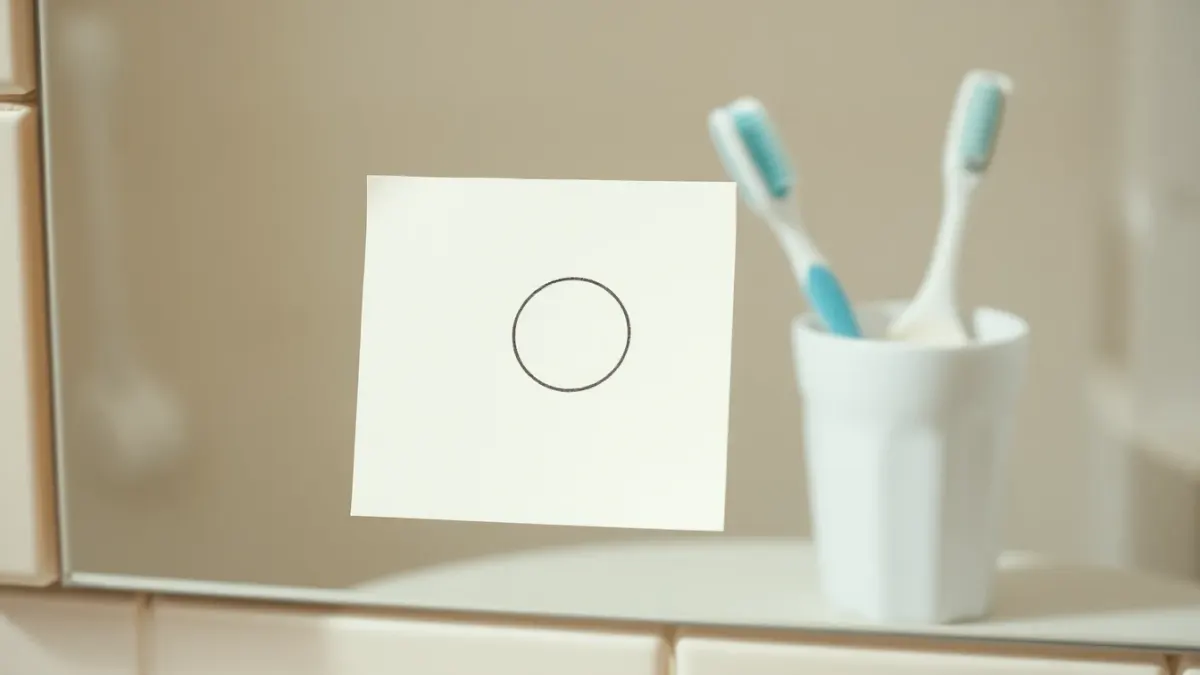
You mean to meditate. Then the day happens. Meditation reminders can bridge that gap, but only if they're designed well. A buzzing alarm you swipe away every day trains you to ignore it. A cue that fits naturally into your day, on the other hand, can make the habit feel almost automatic.
Why reminders fail
- They show up at the wrong time. A 3 p.m. alert during a meeting is easy to dismiss.
- They're too generic. "Time to meditate!" quickly becomes background noise.
- They feel like scolding. Guilt isn't a lasting motivator.
- They rely on willpower. If you have to make a decision every time, you will often decide no.
The fix is to move from "reminder" to "cue": something that happens anyway and that you link to your practice.
Anchor your practice to an existing habit
Habit researchers often suggest attaching a new habit to an existing one. Try a sentence such as: "After I [existing habit], I will meditate for three minutes."
Good anchors:
- After you brush your teeth.
- When the kettle goes on.
- Right after you sit down on the train.
- When you close your laptop at the end of the day.
- After you put your child to bed.
No alarm needed, because the anchor is the reminder.
Use your phone smartly
A phone reminder can still help, especially at first.
- Choose a time you can actually respond. Not mid-meeting.
- Write a friendly message. "Three quiet minutes" lands better than "Meditate!"
- Use a gentle tone. A soft chime beats a siren.
- Set it for a trigger moment, such as just after your usual wake-up.
- Review after a week. If you keep dismissing it, move it.
MindIsland generates a fresh meditation each morning, so there's a natural "today's meditation is ready" moment to pair with your routine. Pick three, five or ten minutes and press start.
Make the next step visible
A reminder is stronger when action is easy.
- Put the app on your home screen or in a visible spot.
- Have your headphones in reach.
- Keep your cushion or chair ready.
- Leave a small physical object, like a stone, where you'll see it.
Reduce friction at the start
The more steps between reminder and action, the less likely it is to happen. Shrink the first step to "sit down and press play". You don't need to prepare a playlist, light a candle or wait for silence.
Tie it to a reward
A small reward after your session can reinforce the habit: a good cup of coffee, a favorite song, a tick on a calendar. Seeing your streak grow can be a quiet reward in itself. MindIsland keeps a streak and a history, with ratings and favorites, so you can see your progress without extra work.
Use social cues
Tell a friend you're meditating each morning, or practice together. A shared check-in message ("done!") is a surprisingly effective reminder.
Be flexible
If your schedule changes, adjust the cue. A reminder that works in summer may need to move in winter. Treat the system as an experiment and tweak it.
A kind note
If you notice that you resist reminders because everything feels like too much, be gentle. A practice that adds pressure isn't helping. And if low mood or stress is making everyday tasks feel impossible, talking to a doctor or therapist is a good step. Meditation is a supportive habit, not a treatment.
Review your system monthly
Once a month, look at which cues are working. Did you meditate on days with the anchor? Which reminders did you dismiss? Remove the ones that do nothing, since too many notifications teach you to ignore all of them. Keep one or two strong cues and let the rest go. A simple system you trust beats a complicated one you manage. And celebrate the plain fact that you are working on a habit at all; many people never try.
FAQ
How do I remember to meditate every day?
Link it to something you already do daily, like brushing your teeth, and keep your first step tiny.
What time should I set my meditation reminder?
Choose a time when you're free to respond, such as just after waking or after work.
Should I use an alarm or a habit cue?
Both can work. Habit cues are often more reliable because they don't depend on a phone.
What if I keep ignoring the reminder?
Move it to a better time, change the wording or shorten the session. Experiment until it fits.