Walking Meditation for Beginners: How to Practise It
Walking meditation turns a short stroll into a mindfulness session. Learn the steps, where to practise and how to pair it with MindIsland.
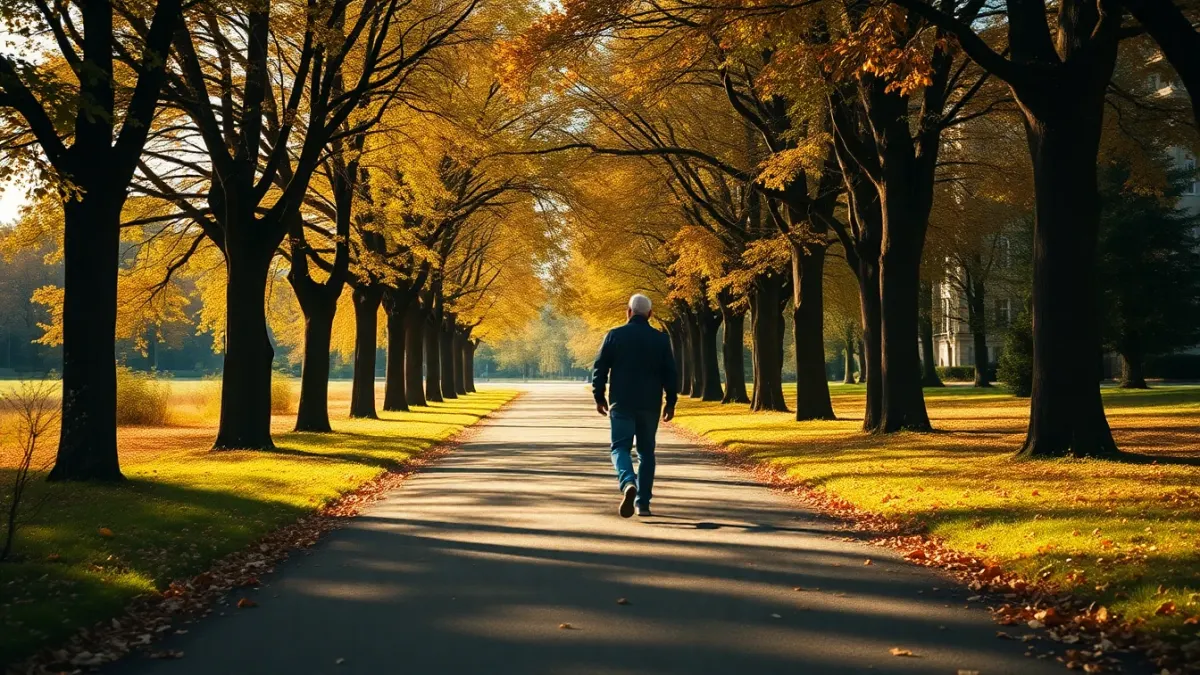
If sitting still makes you squirm, walking meditation may suit you better. It uses the simple act of walking as the anchor for attention, so you train the same skill as in seated practice while moving. Here is how to start, even if you only have a hallway.
What walking meditation is
Instead of following the breath, you follow the sensations of walking: the lift of a foot, the swing of a leg, the touch of the heel. You walk more slowly than usual and notice. It is not a workout and not a commute at speed; it is a deliberate, relaxed pace.
Pick a place
- A park path or quiet street.
- A garden or backyard.
- A hallway or living room, ten steps up and back.
- A flat office corridor at lunchtime.
Choose somewhere safe, where you will not need to navigate traffic or crowds with half your attention.
Step-by-step
- Stand still for a breath. Feel your feet on the ground and your weight evenly spread.
- Start walking slowly. Slightly slower than normal.
- Feel the sequence. Lift, move, place. Silently label it if that helps.
- Notice the body. Ankles, knees, hips, arms swinging.
- When the mind wanders, note "thinking" and return to the feeling in your feet.
- At the end of the path, pause, breathe, turn mindfully and continue.
Ten minutes is a good first target. Keep your gaze soft, a few metres ahead, rather than staring at the ground.
A variation: open the senses
After a few minutes, widen the attention to sounds (birds, wind, distant traffic), smells and light on your skin. Let them arrive without commentary. If the mind drifts, come back to the feet.
Pair it with a guided session
Walking is wonderful on the days you cannot sit. You can combine it with a short seated meditation: sit for three minutes first, then walk for five, or the reverse. MindIsland offers three-, five- and ten-minute guided sessions you can use before or after a stroll. Your last ten meditations are available offline, which is handy if your favourite path has patchy signal.
For the walk itself, keep your phone in your pocket on silent. It is tempting to listen to a session while moving, but the point of walking meditation is to feel the walk. Pick a path where it is safe to be absorbed.
Make it a habit
Link it to a daily event: the first ten minutes after lunch, the walk to the station, taking out the rubbish. Even the stretch from your car to the door can become a practice. Short, regular walks beat one long weekly hike for building the habit.
When it feels silly
Slow walking may feel awkward in public. Start at home, or walk at a normal pace but with full attention to your feet and surroundings. Nobody can tell you are meditating, and the benefit does not depend on moving like a statue.
Safety and comfort
Wear comfortable shoes, keep your head up and avoid uneven or icy ground. If you have balance issues or mobility limitations, adapt the practice: do it seated, noticing the feeling of your feet on the floor, or move your arms slowly. Always put safety first, and never practise anywhere you need full attention for traffic.
What to expect
You may notice how often you rush, or how tight your shoulders are. You may feel more awake than after a seated sit. Neither is required. Over a couple of weeks, walking can become a small ritual that breaks up the day and gives your eyes a rest from screens.
A five-minute walking script
Stand at the start of your path. Breathe out. Begin walking and say silently "lifting" as the foot rises, "moving" as it travels, "placing" as it lands. Continue for two minutes. Then drop the words and simply feel the sensations. After another two minutes, widen your attention to sounds and light around you. In the last minute, slow down, stop, and feel your standing body. This structure gives you something to hold on to without needing any equipment, and you can repeat it on any short stretch of ground.
FAQ
Is walking meditation as good as sitting?
It trains the same core skill of noticing and returning, with movement as the anchor. Many people alternate between the two.
How long should a walking meditation be?
Five to fifteen minutes is a good range for beginners.
Do I walk slowly the whole time?
Not necessarily. Start slow, and let the pace settle naturally as long as attention stays on the sensations.
Can I use headphones?
You can, but silence helps you hear the walk. If you use a guided session, do it before or after, not while crossing streets.