Strategy Games and Your Brain: What Tower Defense Asks of You
What do strategy games like tower defense ask of your brain? Planning, prioritising and adapting under time pressure, explained without medical claims.
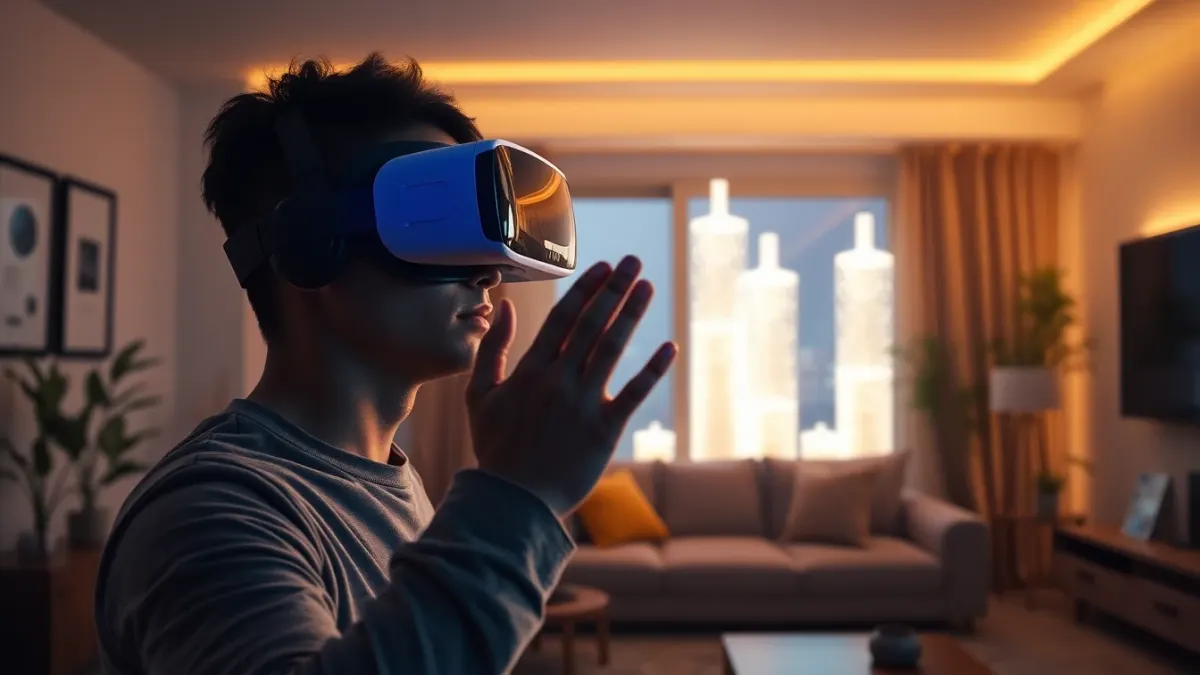
People often describe strategy games as "good for the brain", and it is easy to overclaim. This article stays modest: it looks at the kinds of thinking a tower defense game asks you to do, without promising any health benefit. If you enjoy the feeling of solving a problem under a gentle clock, you already know why the genre is satisfying.
This is general information about gameplay, not medical or educational advice, and no game is a treatment for anything.
The mental tasks inside a tower defense level
Planning ahead
Before the first wave you study the path and decide where to build. You are predicting what will happen, which is a form of planning. Good players think two or three waves ahead rather than reacting only to the present one.
Prioritising limited resources
Your budget is small compared to the options. Should you build a new tower or upgrade an existing one? Spend now or save for something better? This is everyday decision-making in miniature, with clear feedback.
Pattern recognition
Over time you learn what each enemy type does. In Sozo Tower Defense, fast swarms want spread damage, armored brutes want focused fire, flyers skip the path and bosses combine shields with large health. Recognising the pattern quickly lets you respond quickly.
Adapting to change
The most interesting levels change the rules mid-game. Each of Sozo's 8 realms has its own twist, from regenerating monsters to enemies that phase out of reach. Adapting means dropping an old plan when it stops working, which is a skill many players enjoy practising in a safe setting.
Acting under mild time pressure
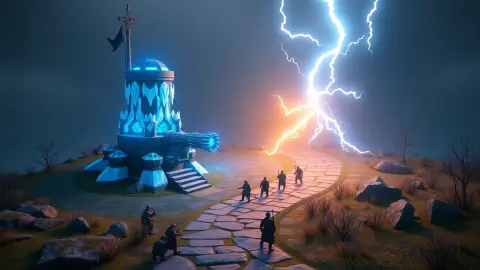
Waves keep coming, so you must decide without unlimited time. In Sozo you can also act with your body: shoot flyers, punch monsters and fire powers like Meteor, Stasis and Overcharge. That blend of thinking and doing is part of what makes VR strategy feel lively.
Why failure is part of the appeal
Tower defense failure is usually readable. You can see where the leak occurred, and the next attempt is a refined experiment. That loop of hypothesis, test, adjust is satisfying because progress is visible.
What we can and cannot say
It is fair to say strategy games ask you to practise planning, prioritising and adapting within the game. It is not fair to promise that this transfers to exams, work or health. Research on the topic is mixed and depends on the person and the game, so treat any bold claim with caution.
Playing in a way that feels good
- Short sessions. Headsets are tiring, and a fresh mind plans better.
- Take breaks and stop if you feel dizzy or unwell.
- Choose a difficulty that fits. Sozo has five modes from Casual to Ultra.
- Play for enjoyment first. The point is fun, not self-improvement.
Strategy as a hobby, not a workout
It is tempting to frame every hobby as self-improvement, but tower defense is mostly valuable because people enjoy it. The satisfaction of watching a defense you designed hold against a wave is its own reward. If it also leaves you feeling a bit sharper after a good session, that is a pleasant side effect rather than a promise.
A useful habit is to reflect briefly after a level: what worked, what did you miss, what would you change? That quick review turns play into a small learning loop without any pressure, and it makes the next attempt more interesting.
Talking about it honestly
If you share your hobby with friends, you do not need to defend it with science. "I like solving puzzles that move" is a perfectly good reason. Keep the thinking-skills angle as a fun observation rather than a selling point, and you will never be caught overclaiming.
FAQ
Do strategy games make you smarter?
There is no simple guarantee. Strategy games give you practice at certain kinds of thinking inside the game, but claims about wider benefits should be treated cautiously.
Is tower defense relaxing or stressful?
It depends on difficulty and personality. Lower difficulty modes can feel calm and puzzle-like, while harder modes add pressure. Sozo lets you choose from five.
Can I try a VR strategy game on Quest?
Sozo Tower Defense plays on Meta Quest 2, Pro, 3 and 3S. See the official store page.