Tower Upgrade Systems Explained: Depth vs Breadth
Tower upgrade systems explained: why upgrading beats spamming, how three-tier upgrades shape choices, and how to budget in Sozo Tower Defense.
The most common question new tower defense players ask is, "Should I build another tower or upgrade the one I have?" The answer depends on the game's upgrade system. This article explains the main types of upgrade design, why designers use them and how to think about budgeting, with Sozo Tower Defense's three-tier towers as the working example.
Why upgrades exist at all
If every tower stayed at one level, you would simply buy more of the best one. Upgrades create a second axis of decision: how many towers versus how strong each is. This tension between breadth and depth is one of the genre's best sources of interesting choices.
Three common upgrade models
Linear tiers
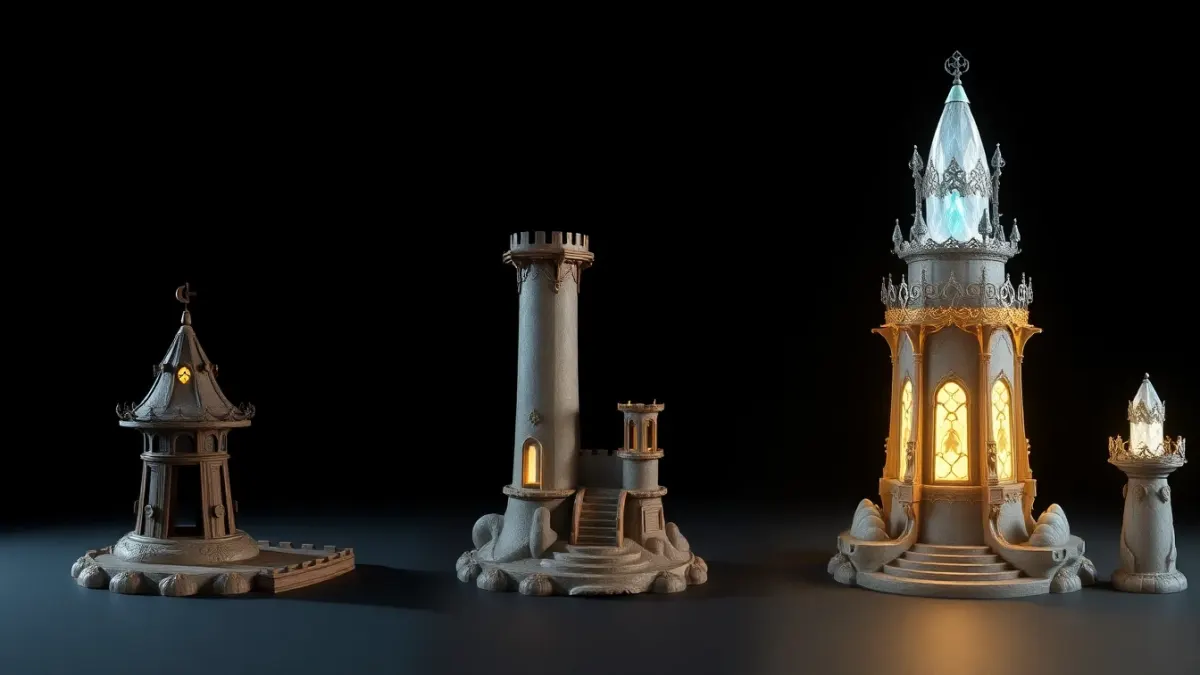
Each tower goes up a ladder: tier one, tier two, tier three. Simple to read, and each step is a clear power increase. Sozo uses this style: eight tower types, three tiers each.
Branching paths
At a certain tier you choose a direction, for example more range or more damage. Branching adds identity and replay value, but it requires more explanation.
Global upgrades
Permanent improvements between levels that apply to all towers. These reward long-term play and give a sense of growth.
Depth vs breadth: a practical way to think
Breadth (more towers) gives you coverage: more of the path is protected, and you can mix damage types. It is the right call when you have gaps, especially against flyers or when a new enemy type arrives.
Depth (upgrades) gives you concentration: stronger kill power in your best spots. It is the right call when a particular tower is already well placed and doing most of the work.
A balanced rule of thumb: build until you have a basic answer to each enemy category (ground crowd, armored, flying), then favour upgrading the towers that are already performing. Check after each wave which tower actually did the damage, and invest there.
Timing: when to spend
- Early waves: breadth. You need basic coverage and a slow.
- Mid game: depth in your best spots, plus fills for gaps.
- Boss waves: save some budget. Bosses are large and sustained tests, and a late upgrade can matter more than another tower.
In Sozo, you also have powers like Meteor, Stasis and Overcharge for emergencies, which reduces the pressure to keep a huge reserve.
Common mistakes
- Upgrading a badly placed tower. Depth multiplies position quality, good or bad.
- Never upgrading. A wide defense of tier-one towers can be overwhelmed by tough enemies.
- Ignoring role. A top-tier tower of the wrong type still cannot hit what it cannot reach, such as a flyer out of range.
- Upgrading everything evenly. Concentrate on the spots that matter.
How upgrade systems interact with difficulty
Higher difficulty often means tougher enemies, which tilts toward depth, because strong single towers handle armor better. Lower difficulty is more forgiving of a wide, shallow defense. Sozo offers five modes, Casual, Normal, Hard, Super Hard and Ultra, so you can see how your preference changes the optimal approach.
Reading the upgrade as a story
A three-tier tower is a small arc: you place a simple version, see it prove itself and then reward it. That sense of investment is part of why a defense you built feels like yours.
A worked budgeting example
Suppose you have enough resources for either one new tower or one upgrade. Ask three questions. Is there a part of the path with no coverage? Build there. Is a tower already killing most enemies and still being overrun? Upgrade it. Is a new enemy type approaching that your current towers cannot hit? Build the counter first. Running through these questions before every purchase quickly becomes automatic and prevents the two most common errors: overspending on one favourite tower and leaving obvious holes.
It also helps to keep a small reserve when a boss is near, since a late upgrade can be worth more than a late purchase. Resist the urge to spend everything the moment it arrives; waiting one beat to see the wave often pays for itself.
FAQ
Should I upgrade or build a new tower?
Build when you have coverage gaps or a new enemy type arrives. Upgrade when a well-placed tower is doing most of the work.
How many upgrade tiers do Sozo towers have?
Three tiers each, across 8 tower types.
Can upgrades fix a bad layout?
Rarely. Upgrades amplify good placement; they cannot replace it. Find the game on the Meta store.