The Psychology of Jump Scares: Why They Work on Us
The psychology of jump scares explained in plain language: the startle reflex, anticipation and why headset horror makes them hit so much harder.
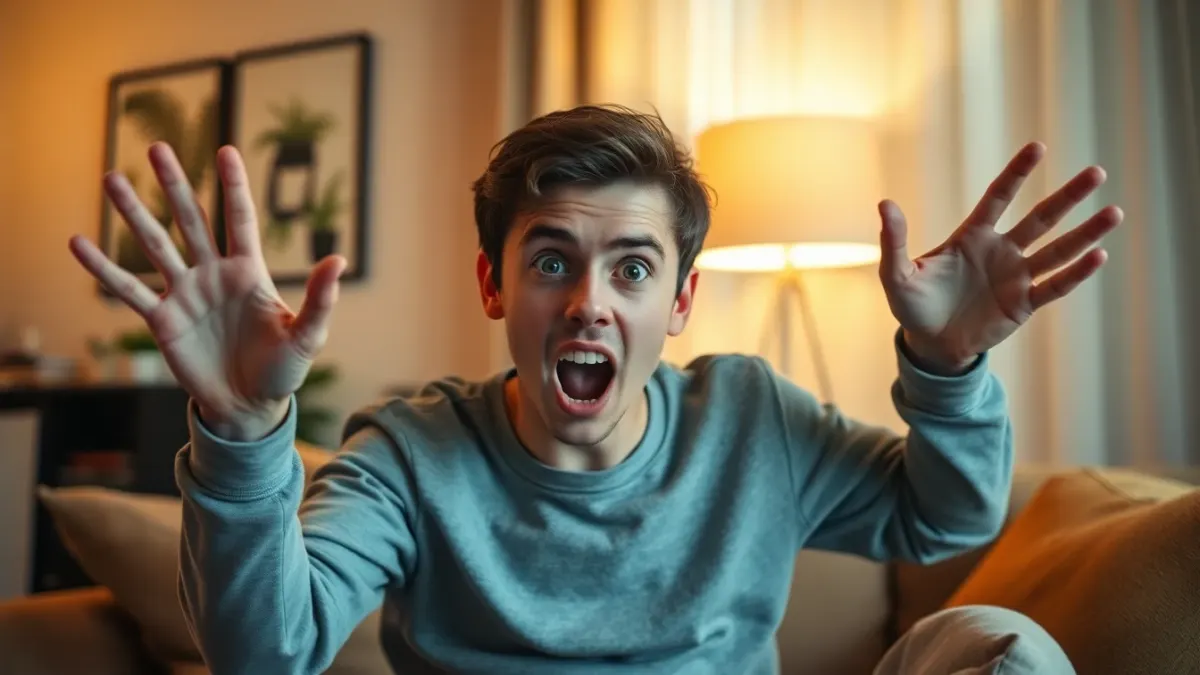
A jump scare takes under a second, yet it can leave your heart pounding for a minute. The psychology of jump scares is mostly about a reflex older than any game, plus a bit of clever timing from designers. This is general knowledge, not a clinical explanation, but it is enough to see why the trick keeps working.
It starts with a reflex
Humans (and most animals) have a startle response: a fast, automatic reaction to sudden loud noises or abrupt movement. It happens before conscious thought. That is why you flinch and only afterwards realise "it was just a sound." A jump scare simply triggers that reflex on purpose.
Anticipation is the real ingredient
A sudden sound with no build-up is merely startling. A jump scare feels scary because the game first teaches you to expect something. Silence, a slow camera turn, a flickering light: all of that raises tension. The scare is the release.
Designers often play with three states:
- Build-up. Quiet, uneasy, waiting.
- Fake-out. Nothing happens, which keeps you on edge.
- Payoff. The sudden event, usually combined with a loud sound.
Alternating these keeps players from learning the rhythm.
Why a loud sound matters so much
Sound reaches us faster than we can analyse it, and loudness is a basic danger signal. Pair a sudden visual with a sudden sound and the effect is stronger than either alone. Games using directional audio add another layer: a noise from behind you tells you something is there. HAUNTED uses spatial audio so every scrape and whisper comes from a real direction in your room.
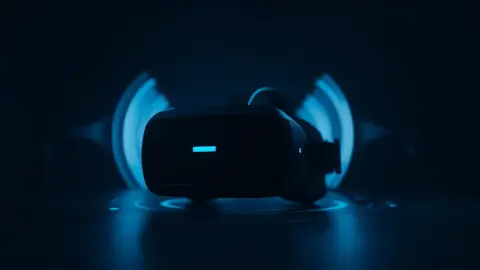
Why headsets amplify it
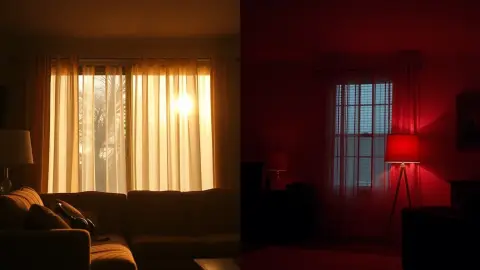
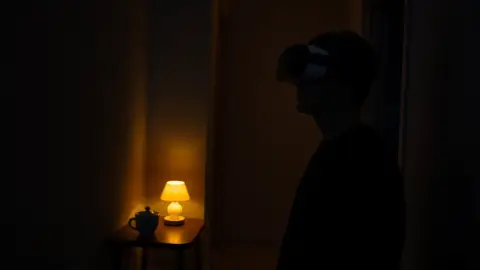
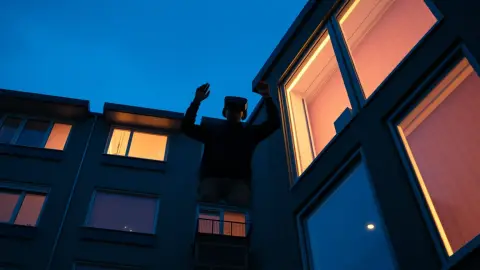
On a flat screen, a jump scare happens "over there." In a headset it happens around you, and your head moves to look at it as it happens. In mixed reality it happens in a place you recognise. HAUNTED's pitch is that the nightmare happens inside your home, which means the startle is wrapped in a familiar setting.
Why we sometimes laugh afterwards
After the reflex passes, the thinking part of your brain catches up: it was safe. That contrast produces relief, and often laughter. It is one reason people willingly pay for scares, and why jump scares are often shared with friends watching.
Why jump scares get a bad reputation
Used without build-up, they feel cheap: a loud noise is a loud noise. Used well, they land because of what came before. A good horror game mixes dread, unease and the occasional shock. HAUNTED includes intense jump scares, along with sustained threats such as rising blood and drills that react to where you look.
Handling them if you dislike them
- Play short sessions.
- Keep the real-world lights on in the rest of the house.
- Know that you can take the headset off at any time.
- Do not play if the content warning applies to you: HAUNTED is not suitable for children, people who are pregnant, or anyone with epilepsy, heart conditions or anxiety disorders.
You can see what the game contains on its product page.
A short design vocabulary
If you ever want to talk about jump scares like a designer, these terms help.
- Stinger: a sudden, loud sound that punctuates a scare.
- Fake-out: a moment that looks like a scare but is harmless, used to keep you guessing.
- Telegraphing: hinting that something is coming through light, sound or behaviour.
- Dread: sustained anticipation, as opposed to a single shock.
Seeing the pieces makes you appreciate why the same sudden noise can be thrilling in one game and annoying in another. When the build-up respects your attention and the payoff arrives at a moment you could not quite predict, the scare feels earned. When it appears out of nowhere, it feels like a prank.
FAQ
Why do jump scares make my heart race?
The startle response triggers a quick stress reaction. Heart rate rises briefly and settles once your brain registers there is no danger.
Are jump scares bad for you?
For most healthy adults they are momentary. People with heart conditions, anxiety disorders or epilepsy should avoid intense horror; this is why HAUNTED carries a content warning. Speak to a doctor if you are unsure.
Why do jump scares feel worse in VR?
The scare surrounds you, your head movement is part of the scene, and the sound has a direction. All of that increases presence.
Can you get used to jump scares?
Repetition lowers surprise. Designers counter this by varying timing and fake-outs so the pattern is hard to predict.