A VR Team Building Activity: Laser Thief for Small Groups
Looking for a different team building activity? Laser Thief on Quest 3 can work for small groups, with coaching, turn rules and clear safety limits.
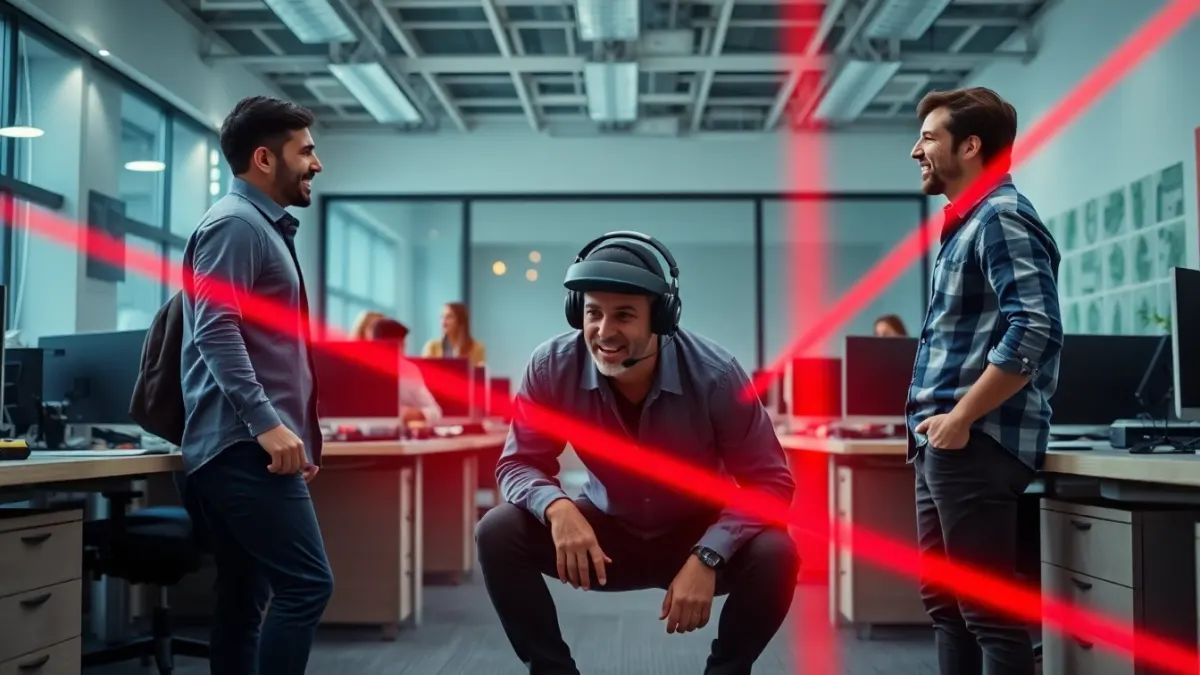
Team events tend to fall into predictable patterns: quiz, lunch, awkward icebreaker. A VR team building activity can break that, but only if everyone can take part. Most VR games are solo experiences, which makes them poor for groups. Laser Thief works better than most, because the audience can see and shape what happens. Here is how to run it for a small team, and the limits you should respect.
What the game offers a group
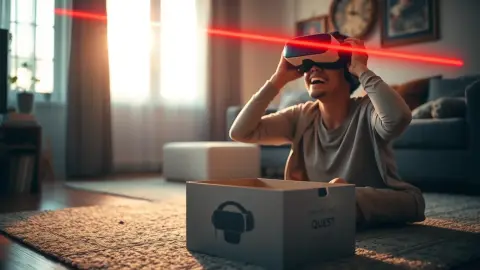
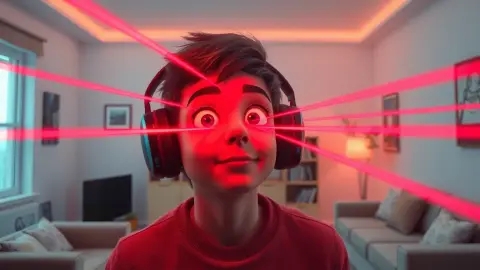
The game runs on one Meta Quest 3 or 3S, so players take turns. The player moves through laser grids drawn in the real room, and everyone else watches. The natural dynamic is coaching: "lower, lower, now left". That is communication under time pressure, which is the useful part of many team exercises, but here it is also funny.
A narrator celebrates wins and enjoys mistakes, which keeps the mood light and takes pressure off individual performance.
Suggested formats
Pick one that fits your team's size and energy.
- Coach and thief. Pairs: one wears the headset, the other directs from the side. Swap after each level. Use Free Play, with random levels and no timer.
- Relay through the worlds. Each teammate plays one Story Mode level, handing over to the next. Seven worlds give you a natural arc from Food to Warzone.
- Bomb Mode showdown. Each person gets one 120-second round. Teams total their scores on a whiteboard.
- Quiet observers. Not everyone has to play. Assign roles such as scorekeeper, timer and spotter.
The game stores best scores locally on the headset, but a whiteboard is easier for a group.
Planning checklist
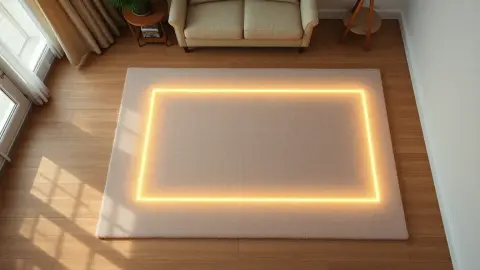
- Choose the space. You need about 3 × 3 metres (10 × 10 feet) of clear floor. A common area or meeting room with furniture moved aside is ideal.
- Run Space Setup in that room so the game maps beams to real walls and furniture.
- Remove hazards. Cables, chairs, bags and drinks away from the play zone.
- Light the room well.
- Brief everyone. Explain the rules, safety limits and that participation is optional.
- Prepare hygiene. Wipe the headset between players.
- Allow time. Each turn takes a few minutes, so a group of eight needs an hour with setup and chat.
Make participation optional and inclusive
This is the key point. Laser Thief is physical: ducking, crouching, crawling and stretching. Some colleagues will have injuries, mobility limits or simply not want to. Never pressure anyone. The game's terms advise anyone with a condition affecting movement, balance or the heart to consult a doctor first, and anyone who feels dizzy or uncomfortable should stop at once.
Offer meaningful non-playing roles, and avoid any scoring that turns the activity into a performance review. Keep the tone friendly rather than competitive.
Think about policy and context
Workplace events have extra considerations: dress codes, insurance, accessibility and personal comfort with headsets. Check with your organisation about any requirements before you bring in equipment. Players should wear suitable footwear, and the event should not involve alcohol while people are crouching around a headset.
The game is rated PEGI 12 and has no account system, so no personal sign-ups are needed. The privacy policy says it does not record or transmit passthrough camera images and has no third-party advertising or tracking SDKs, though you should still be mindful about filming colleagues.
What it will not do
It will not solve team problems. It is a short, shared, slightly ridiculous experience that gives people something to talk about. Think of it as a break, not a workshop.
Getting started
You will need a Meta Quest 3 or 3S and the game from the Meta Horizon Store. More information and screenshots are on the Laser Thief page.
FAQ
Can a whole team play at once?
No, the game is played with one headset at a time. Teammates take turns and coach from the side.
How many people can take part?
As many as can take turns, though larger groups need more time.
What if someone cannot take part physically?
Give them an equally valued role, such as scorekeeper or coach. Never pressure anyone.
What space do we need?
About 3 × 3 metres of clear floor, with the room set up on the headset.