Ad-Supported vs Subscription Language Apps Compared
Ad-supported vs subscription language apps: how each model shapes your learning, what to watch for with ads, trials and cancellations, and who each suits.
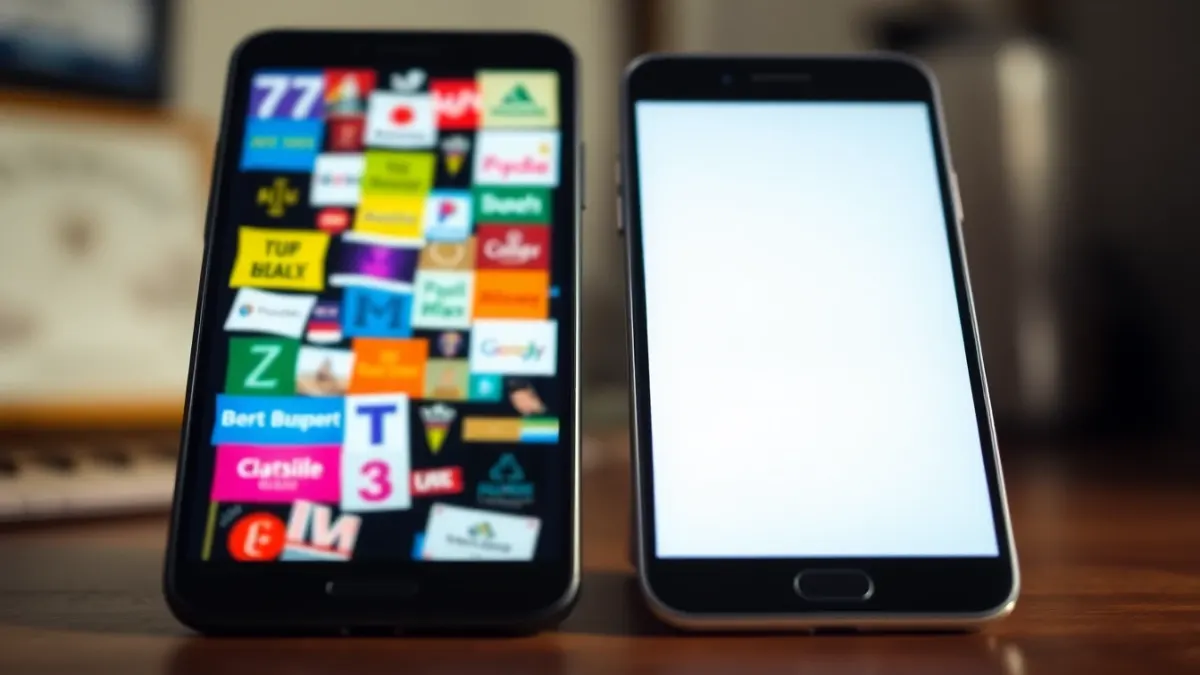
Every language app has to be paid for somehow. Ad-supported apps charge you attention; subscription apps charge you money. Neither is automatically better, but the model quietly shapes how the app is designed, so it is worth understanding before you commit months of study.
How ad-supported apps work
You use the app with ads between lessons or around content. Sometimes a paid upgrade removes them. The company earns from advertisers, so its incentive is to maximise the time you spend in the app and the number of ad views.
Pros
- Low or no upfront cost.
- Easy to try.
Cons
- Interruptions break your concentration.
- Design may push you toward quantity of sessions instead of quality of learning.
- Limits on lessons, hearts or energy may nudge you to pay anyway.
- Ads can be irrelevant or intrusive.
How subscription apps work
You pay monthly or yearly, and you get the content without ads. The company earns by keeping you subscribed, which means it needs you to see results and stay.
Pros
- A clean, focused experience.
- Incentive to improve content and features.
- Predictable cost.
Cons
- You pay even in weeks you barely use it.
- You must judge value before you commit.
- Cancellation processes can be annoying if the app hides them.
The hidden costs of "free"
Time is the key asset. Watching an ad takes only a few seconds, but across weeks those seconds add up and, more importantly, they break focus. Many people find that interrupted practice feels less satisfying and less memorable. If you only study occasionally, however, the ad-supported route might be fine.
What to check on a subscription
- Is it truly full access? Check that nothing essential is locked behind further purchases.
- Trial terms. Which plan has the trial, how long is it and when is it charged?
- Cancellation. Can you cancel easily in your store settings?
- Content scope. Levels, languages, reading, games, grammar.
LingFit is subscription-only and ad-free: one subscription unlocks the whole app, and the 7-day free trial applies to the annual plan.
Which model suits whom
Ad-supported tends to suit:
- Casual dabblers testing a language.
- People on a very tight budget who can tolerate interruptions.
Subscription tends to suit:
- Learners committing to a language for months.
- People who value focus and depth.
- Those who want a complete path in one place.
A sensible way to decide
- Try the free or trial version of two apps for a week each.
- Pay attention to how interruptions feel.
- Estimate how often you will realistically study.
- Compare the annual cost to what you would spend on a single class.
- Choose the one you wanted to open the next day.
Don't forget the alternative
You can build a free routine from library books, podcasts and public videos. It takes more organisation but costs no money. Apps are a convenience: structure, tracking and variety packaged together.
Questions to ask yourself
How often will I study? How much do interruptions bother me? Do I want a full path or just a taste? Is one more recurring bill acceptable? Your honest answers point to a model more reliably than any review. If you are unsure, start with a trial, study daily for a week and notice how you feel. Your own experience is the best evidence.
Watch for hybrid models
Many apps mix the two approaches: ads plus a paid tier, or a free tier with limits. Read what the paid version removes and what the free version restricts. A clear, simple deal is a good sign; a confusing maze of tiers and add-ons suggests the business model is working against your attention.
FAQ
Are subscription language apps worth the money?
If you use one regularly and it gives a full path with good content, yes, it can be excellent value per session. The key is consistent use.
Why do language apps have ads?
Ads fund apps that do not charge a subscription. The trade-off is interrupted practice.
Can I try a subscription app before paying?
Many offer a trial or free first lessons. Check the trial's terms, especially which plan it applies to.
Is a yearly subscription cheaper than monthly?
Usually per month, yes. Confirm the numbers in the store listing and cancel before renewal if you do not want to continue.