Meditation for Teenagers: A Parent's Guide to Getting Started
Curious whether meditation could help your teen? A parent's guide to short sessions, introducing it without pressure and knowing when to seek more support.
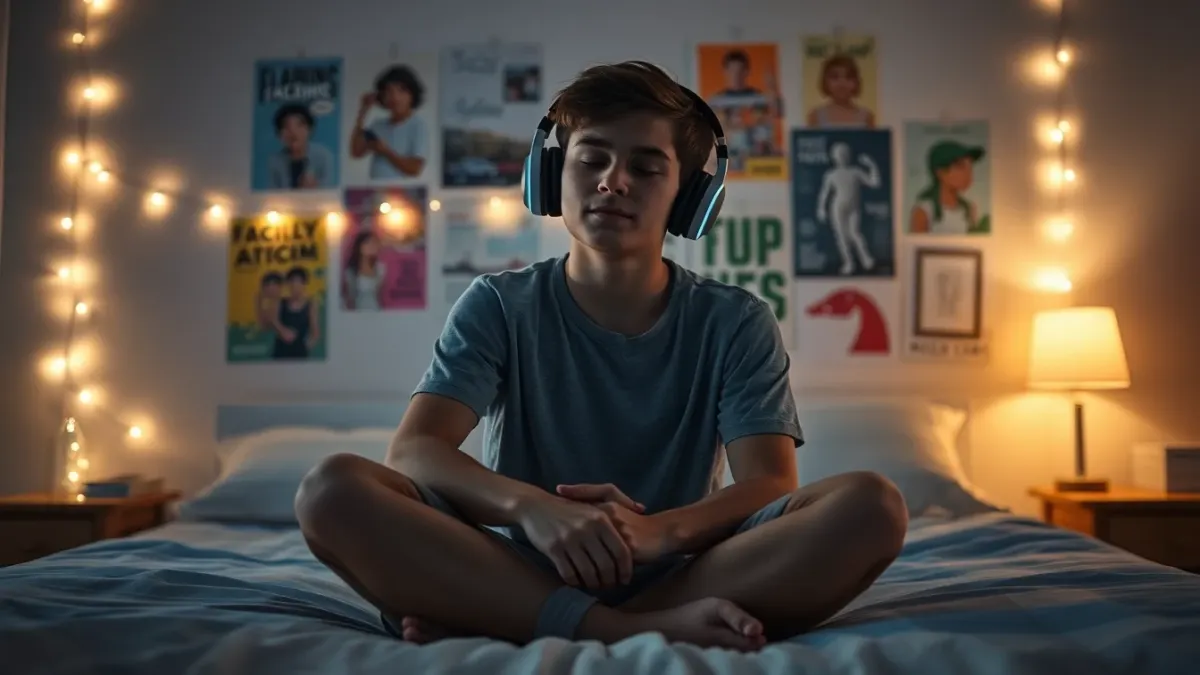
Teenagers carry a lot: exams, friendships, social media, changing bodies and a future everyone keeps asking about. It is natural for a parent to wonder whether meditation for teenagers could help. It might, as one small tool among many, but only if it is offered in a way that does not feel like another thing they have to do. This guide is for the adult trying to get that balance right.
What meditation can and cannot do for a teen
A few minutes of quiet breathing or a guided session can give a teenager a short break from noise and expectations. Some teens find it helps them wind down before bed or settle before a test. It is not a cure for anxiety or low mood, and it is not a replacement for professional help.
Be honest with yourself about this. If your teen seems persistently sad, anxious, withdrawn or talks about harming themselves, talk to a doctor or school counsellor. Meditation can sit beside that support, not instead of it.
Why pushing usually backfires
Teens are quick to notice when something is being done to them. "You should meditate" tends to land as criticism. A better approach has three parts:
- Offer, do not insist. Mention it once, lightly.
- Make it their choice. Let them pick the voice, the length and the time.
- Model it. If you do a few minutes yourself, they notice, even if they say nothing.
If the answer is no, accept it. You can try again in a few months.
Short, concrete first sessions
Teens usually respond to specific uses rather than abstract benefits. Frame it as a tool:
- Before a test: three minutes of slow breathing to settle the stomach.
- After a long day: a five-minute wind-down before homework or bed.
- When scrolling gets heavy: a break from the phone that is not boredom.
- When sleep is hard: a calm voice at night instead of more screen time.
Three minutes is enough. Teens can always do longer later.
Choosing an app together
If your teen likes using their phone, an app can be an easy way in. MindIsland generates a fresh meditation each day and lets the user pick three, five or ten minutes and a calm voice, with optional background sound. There is a place to write what is on their mind, such as "stressed about a test", and the meditation is written around it. Writing is optional, and the daily one is ready either way.
Check the privacy details of any app before a young person uses it, and consider the age rules in the app store listing. Your teen should be comfortable, and you should be satisfied with how their data is handled.
Making space at home
You can help without hovering:
- Agree on a quiet window in the evening when screens go down.
- Offer headphones and let them choose where to sit or lie.
- Do not ask afterwards how it went. Let them bring it up.
- Praise consistency softly, if at all.
Common reactions
"It's boring"
Boredom is a common first experience. Try a different style, such as a walking practice or a short sound-focused session, and keep it to three minutes.
"I can't stop thinking"
That is normal and not a failure. The practice is to notice and come back.
"It's weird"
Some teens feel self-conscious. Letting them practise privately with headphones, no audience, helps.
When to look further
Meditation is one habit among sleep, movement, friends and honest conversation. If worries are getting in the way of school, sleep or daily life, involve a professional. You know your child best, so trust your instinct.
About the cost
You get a free meditation to start, so you and your teen can see whether the style suits them before spending money. After that a subscription unlocks a new personalized meditation each day and the full library, and voucher codes can be redeemed on the website. Sessions you have played stay on the device, so they also work without a connection.
FAQ
Is meditation safe for teenagers?
For most teens, short, gentle sessions are safe. If your teen finds it distressing or has a mental health condition, check with a doctor or therapist first.
How long should a teenager meditate?
Three to five minutes is a good start. Short, regular sessions are easier to keep up than long ones.
How do I get my teenager to try meditation?
Offer it once as an option, let them choose the voice and length, and try it yourself. Avoid pressure or checking up on them.
Can meditation help my teen sleep?
A calm evening session can help some teens wind down, but it is not a guaranteed fix. Pair it with a regular bedtime and less screen time.