Passthrough vs Fully Virtual VR Games: Which Do You Prefer?
Passthrough vs fully virtual VR games compared: immersion, comfort, safety and space, plus advice on choosing mixed reality or a virtual world.
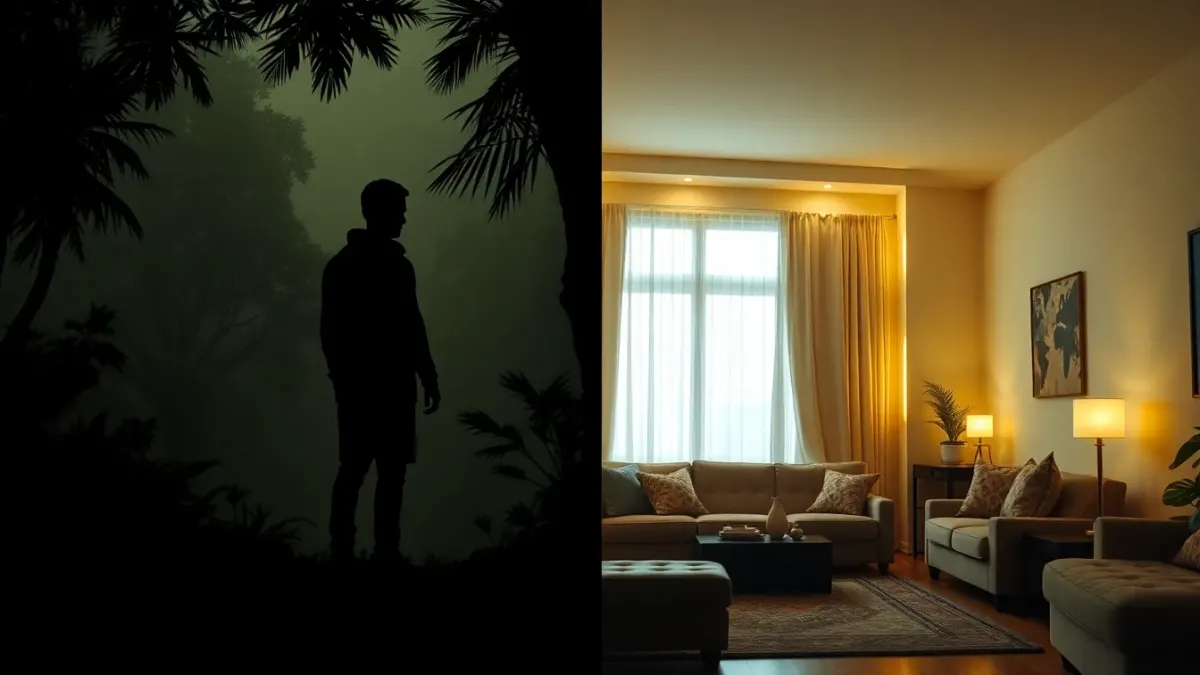
Put on a Quest headset and you can end up in two very different places: a world that has nothing to do with your room, or your own room, with extras. The choice of passthrough vs fully virtual VR shapes how a game feels, how much space it needs and what kind of fun it offers. Here is an honest comparison.
Definitions in one breath
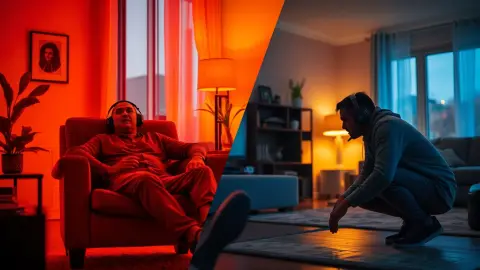
Fully virtual VR hides your surroundings completely and shows a rendered world. Passthrough mixed reality shows your real room through the headset's cameras and adds virtual objects to it.
Meta Quest 3 and 3S do both. Mixed reality needs full-colour passthrough and room understanding, which both headsets provide.
Immersion: escape vs integration
Fully virtual games excel at escape. Whether you're in space, a fantasy village or a racing cockpit, you can forget your living room exists. That's powerful for storytelling and for visuals that your room could never offer.
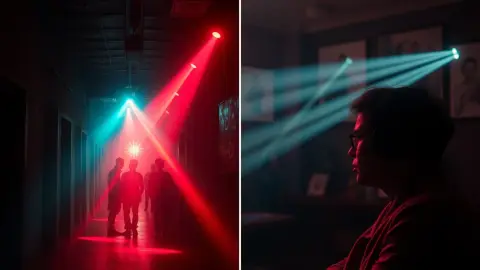
Passthrough games offer integration. The thrill comes from recognising your own sofa. Laser Thief is built on this: its beams and loot sit between your real walls and furniture, and it pitches your room as the vault.
Neither is more immersive in general; they immerse in different ways.
Comfort and orientation
Some players like to see their room. It can reduce the "lost" feeling of a fully virtual world and make it easier to notice if someone walks in. Others find a rendered world less distracting than a camera view.
Lighting matters for passthrough: dim rooms reduce clarity and tracking, so play in a well-lit space. Fully virtual games depend less on your room's lighting.
Space and safety
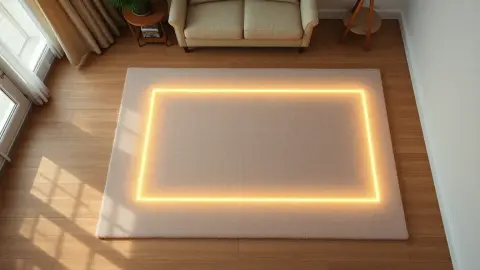
Both need clear space. Fully virtual games use a boundary you define. Mixed reality games add room understanding, so they can place content relative to real surfaces.
An important caution: seeing your room doesn't make it safe. Laser Thief's terms say virtual lasers do not protect you from real furniture. Clear the floor either way.
Types of fun each does best
Fully virtual: exploration, big spectacle, fantasy, sports in imaginary arenas, long story games.
Passthrough: games where the room itself is part of the idea, such as heists, creature-in-your-home concepts and anything that wants the real world as a stage.
Privacy angle
Passthrough raises a reasonable privacy question. Policies differ per game. Laser Thief states that passthrough images and room layout are processed on the headset and that the game does not record, store or transmit camera images. Read the policy of any mixed reality game you install.
How to choose tonight
Ask yourself:
- Do I want to leave my room or play in it?
- Is my room tidy and lit? If not, a virtual world may be easier.
- How energetic am I? Many mixed reality titles are active.
- Do I want to show someone else? Passthrough games are easier for onlookers to understand because they see the same room.
Using both well
Treat them as complementary. A fully virtual adventure for a long evening; a mixed reality burst for ten minutes of movement. Free Play in Laser Thief, with random levels and no timer, suits the second slot. Learn more about the mixed reality side on the Laser Thief page.
A simple rule for beginners
If you are new to headsets, start in whichever mode makes you feel most at ease. Some newcomers find seeing their room reassuring; others prefer a fully virtual world because nothing reminds them of the laundry pile in the corner. There is no wrong answer. Try one of each for a short session, note how you feel afterwards and let that guide your next purchase. Over time, most owners end up with both kinds in their library.
When the room works against you
Mixed reality has one honest downside: your real room is always part of the picture. Clutter, poor lighting or shiny surfaces can all make the experience worse. Spend a few minutes tidying and lighting the space before you play, and rerun room setup if you have moved furniture.
FAQ
Is mixed reality better than VR?
Neither is better. They offer different experiences, and Quest 3 and 3S support both.
Do mixed reality games need more light?
Generally yes. A well-lit room helps the headset track you and keeps the passthrough picture clear.
Is passthrough safer than full VR?
Seeing your room helps awareness but does not remove the need to clear the space.
Which headsets support Laser Thief's mixed reality?
Meta Quest 3 and Quest 3S.