Active vs Seated VR Games: Which Style Fits You?
Active vs seated VR games compared: comfort, energy, motion sickness, space and session length, with tips for choosing and for easing into active play.
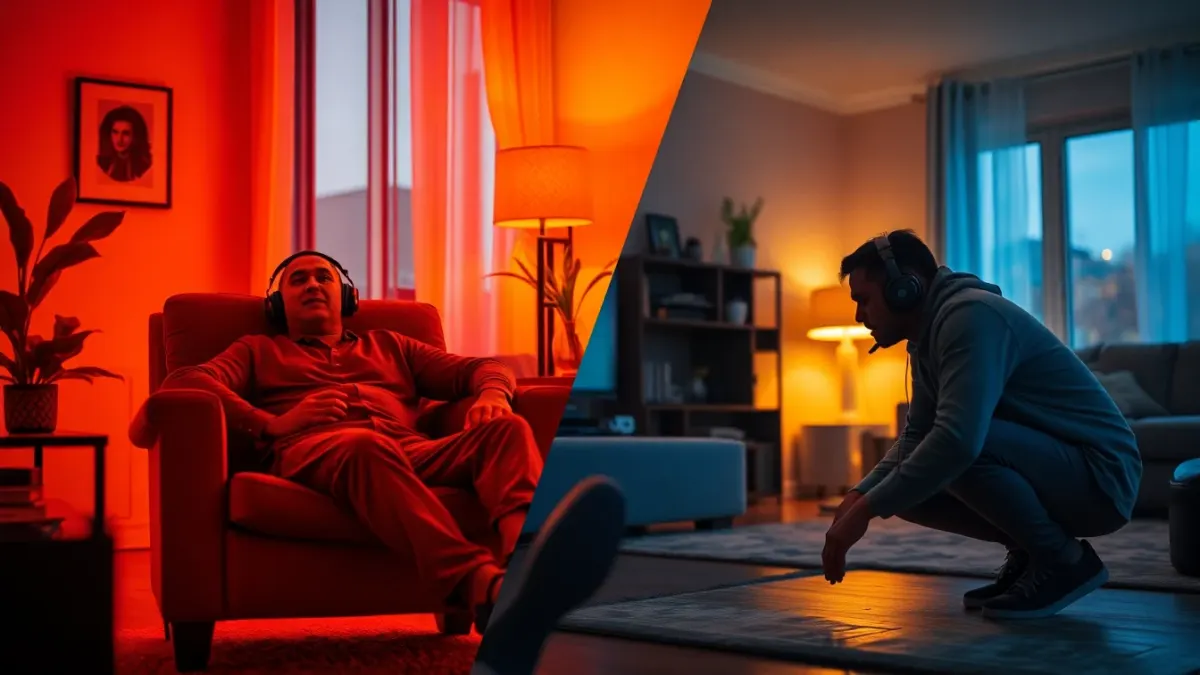
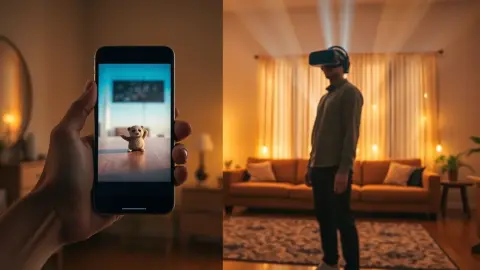
Not every headset session needs to leave you out of breath. Some evenings you want to sink into a chair; others you want to move. Choosing between active vs seated VR games is mostly about energy, space and how you feel today. Here is a straightforward breakdown to help you pick, and to get the best out of both.
What counts as seated
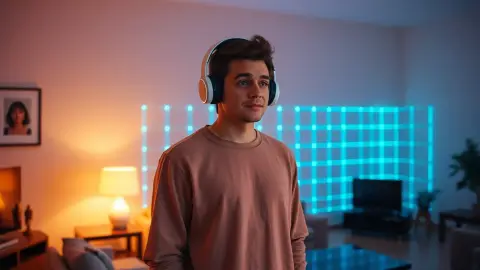
Seated games ask you to use controllers or a gentle range of arm movement while staying in a chair or on a sofa. Think of strategy, puzzles, exploration or relaxed simulations. They need little room and little energy.
What counts as active
Active games ask for your whole body: stepping, crouching, twisting, reaching, sometimes sprinting on the spot. They need clear floor, a moment to warm up and a bit more recovery time afterwards.
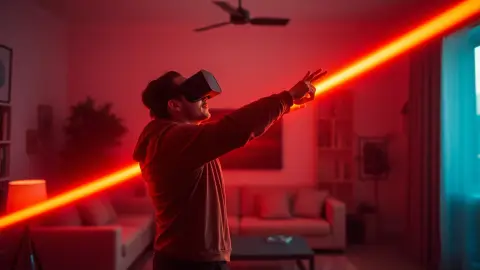
Laser Thief is a clear example. It asks you to duck, dodge, crawl and reach in grids of laser beams, and its own support notes that it is more demanding than most games.
Comparing them honestly
Space. Seated needs a chair. Active needs a cleared area. Laser Thief recommends about 3 × 3 metres (10 × 10 feet).
Energy. Seated suits tired evenings. Active is a better match when you want to burn energy.
Comfort. Seated play is gentler on knees, hips and backs. Active play can strain them if you rush, so warm up and move deliberately.
Session length. Seated games can run for an hour comfortably. Active games usually work best in short bursts, with breaks.
Social appeal. Active games are often more entertaining to watch. Someone crawling under invisible lasers makes for a good show.
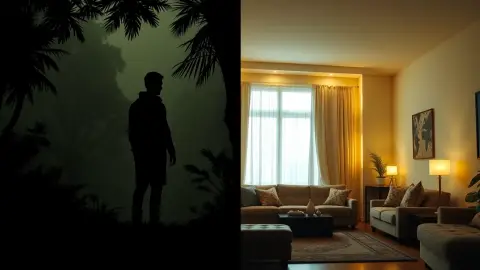
Immersion. Active play can feel more "real" because your body is part of the action; seated play can feel more relaxed and cerebral.
Motion comfort
Many people find stationary or seated play easier on their stomachs, especially with games that move the camera. Games where you walk physically in your own room, as in room-scale mixed reality, can feel more natural because the movement is real. If you ever feel dizzy or uncomfortable, stop playing, as the Laser Thief support notes advise, rest and come back for a shorter session.
How to ease into active games
- Start small. Ten minutes is plenty the first time.
- Warm up. A few minutes of shoulder rolls, hip circles and gentle squats.
- Prepare the room. Clear shoes, cables and anything fragile.
- Light the room. Good light helps tracking.
- Use a relaxed mode first. In Laser Thief, Free Play has no clock and is a gentle way to learn the moves.
- Stop when it hurts. Fun is not worth an injury, and if you have a condition affecting movement or balance, check with a doctor.
Can seated and active play coexist?
Absolutely. A typical routine might be seated games on weeknights and an active session at the weekend, or a ten-minute active burst before the seated epic. Variety also protects you from repetitive-strain habits.
If you want to try the active side with a playful heist theme, see the Laser Thief page.
A note on accessibility
Active games are not for everyone, and that is okay. If crouching, crawling or stretching is difficult, seated games are an excellent option and the better choice for you. No game should pressure you into movements that hurt.
Matching the style to your mood
A useful rule of thumb is to ask what you want to feel afterwards. If the answer is "calm and absorbed", reach for something seated. If it is "pleasantly warm and a bit proud", reach for something active. Treat the choice like picking between a book and a walk: both are good, and neither is a failure. Keep a mental list of two or three games for each mood so that choosing takes seconds rather than a scroll through the whole library.
FAQ
Are active VR games better than seated ones?
Neither is better. Active games give more movement; seated games give comfort and longer sessions.
How long should I play active VR games?
Start with short sessions of 10 to 15 minutes and build up if you feel fine. Take breaks and stay hydrated.
Do I need a big room for active mixed reality games?
Laser Thief recommends about 3 × 3 metres of clear floor, though it can work in smaller rooms.
Can I play Laser Thief sitting down?
It is built around ducking, crawling and stretching, so it is designed as an active game rather than a seated one.